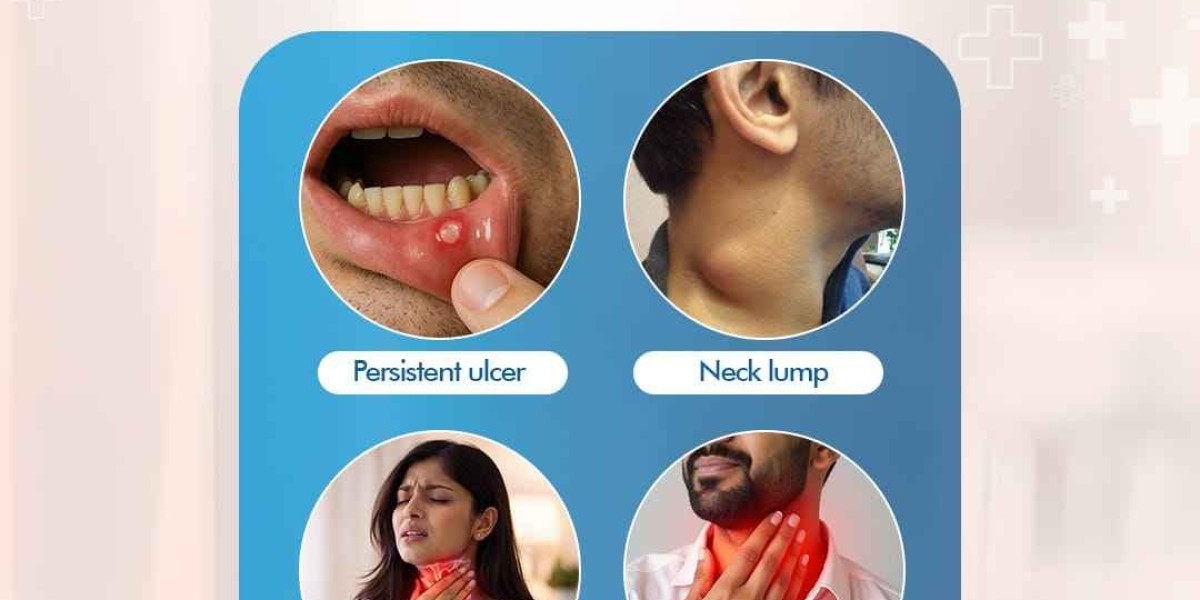

Head and neck cancer is one of the most common cancers diagnosed in India, largely driven by widespread tobacco and gutka use, betel nut chewing, and rising HPV infection rates. Unlike many other cancers, several of its early warning signs are visible or felt directly, a sore that won't heal, a persistent change in voice, a lump in the neck, which means timely recognition can make a real difference to outcomes. Because treatment often involves more than one specialist working together, getting head and neck cancer treatment in India at a centre that offers surgery, radiation, and medical oncology under one roof tends to make the journey smoother and the results better.
This guide walks through what head and neck cancer is, its symptoms and causes, how doctors diagnose it, and the treatment options available today, so you know what to expect and what questions to ask.
What Is Head and Neck Cancer?
"Head and neck cancer" is an umbrella term for cancers that begin in several different structures above the collarbone, excluding brain and eye cancers, which are usually classified separately. The major sites include:
Oral cavity (tongue, gums, inner cheek, floor of the mouth)
Throat (pharynx), including the oropharynx and hypopharynx
Voice box (larynx)
Salivary glands
Sinuses and nasal cavity
Thyroid and parathyroid glands
Most head and neck cancers are squamous cell carcinomas, meaning they start in the thin, flat cells that line the moist surfaces inside the mouth, nose, and throat. Because these regions are involved in breathing, speaking, swallowing, and appearance, both the disease and its treatment can affect day-to-day life in ways that other cancers don't, which is part of why specialised, multidisciplinary care matters so much here.
Common Symptoms You Shouldn't Ignore
Many head and neck cancers are detected late simply because early symptoms resemble everyday complaints like a cold, a mouth ulcer, or a strained voice. It's worth seeing a doctor if any of the following last longer than two to three weeks:
A mouth or throat sore that doesn't heal
Hoarseness or a change in voice that persists
Difficulty or pain while swallowing
A lump or swelling in the neck, jaw, or face that doesn't go away
Unexplained weight loss
Persistent ear pain with no signs of infection on examination
A white or red patch inside the mouth that doesn't resolve
Numbness in part of the face or mouth
Nasal blockage on one side, or recurrent nosebleeds without an obvious cause
None of these symptoms automatically mean cancer, but persistence is the key signal. A condition that comes and goes is usually benign; one that lingers for weeks deserves a proper evaluation by an ENT specialist or head and neck oncologist.
What Causes Head and Neck Cancer
Several well-established risk factors are linked to head and neck cancer, and most of them are things people have at least some control over:
Tobacco use. Smoking and smokeless tobacco (gutka, khaini, paan with tobacco) are the single biggest risk factors for oral, throat, and laryngeal cancers in India. The risk rises with the duration and amount used.
Alcohol consumption. Heavy alcohol use independently raises the risk, and the combination of alcohol and tobacco multiplies it well beyond either factor alone.
Betel nut and paan chewing. Even without tobacco, areca nut (supari) chewing is strongly linked to oral cancers and a related condition called oral submucous fibrosis.
HPV infection. Human papillomavirus, particularly HPV-16, is an increasingly recognised cause of oropharyngeal cancer, especially at the base of the tongue and tonsils, even in people who have never used tobacco.
Poor oral hygiene and chronic irritation. Long-term mechanical irritation from ill-fitting dentures or jagged teeth, combined with poor oral hygiene, can contribute to risk over time.
Occupational and environmental exposure. Prolonged exposure to wood dust, certain industrial chemicals, and asbestos has been associated with cancers of the nasal cavity and sinuses in some occupations.
Family history and certain genetic syndromes play a smaller role compared with these lifestyle and environmental factors, but they're still considered during evaluation.
How Head and Neck Cancer Is Diagnosed
Diagnosis typically follows a structured path so that treatment can be planned accurately from the start:
Clinical examination. An ENT specialist or head and neck oncologist examines the mouth, throat, and neck, and checks for lumps, ulcers, or abnormal patches.
Endoscopy. A thin, flexible scope allows the doctor to look directly at areas like the throat, voice box, or nasal passages that aren't visible on a routine exam.
Biopsy. A small tissue sample is taken from the suspicious area and examined under a microscope by a pathologist, this is the step that confirms whether cancer is present and what type it is.
Imaging. CT, MRI, or PET-CT scans help determine the size of the tumour, whether it has spread to nearby lymph nodes, and whether it has spread elsewhere in the body. This staging information directly shapes the treatment plan.
Additional lab work. Blood tests and, in some cases, HPV testing on the biopsy sample help complete the picture, particularly for oropharyngeal cancers where HPV status affects prognosis and treatment decisions.
Once these results are in, the case is usually discussed by a multidisciplinary tumour board, a team of surgeons, radiation oncologists, and medical oncologists who jointly decide the best treatment sequence for that specific patient.
Treatment Options for Head and Neck Cancer
Treatment is rarely one-size-fits-all. It depends on the exact location of the tumour, its stage, HPV status where relevant, and the patient's overall health. Most plans draw from one or more of the following:
Surgery. Surgical removal of the tumour, performed by a head and neck cancer surgeon, is often the first step for operable cancers. Depending on the extent of disease, this can range from a relatively limited excision to more complex procedures involving neck dissection to remove affected lymph nodes. When surgery requires removing a significant amount of tissue, reconstructive techniques, including microvascular free flap surgery, are used to restore appearance and function such as speech and swallowing.
Radiation therapy. Techniques like Intensity-Modulated Radiation Therapy (IMRT) and Image-Guided Radiation Therapy (IGRT) deliver precisely targeted doses to the tumour while sparing surrounding healthy tissue as much as possible. Radiation may be used on its own, after surgery to reduce recurrence risk, or alongside chemotherapy.
Chemotherapy. Often combined with radiation (chemoradiation) for locally advanced cancers, or used before surgery in some cases to shrink a tumour first.
Targeted therapy and immunotherapy. For more advanced or recurrent cancers, targeted drugs and immunotherapy are increasingly used, particularly when surgery and radiation alone aren't sufficient. These are typically guided by a medical oncologist as part of the overall plan.
Rehabilitation. Speech therapy, swallowing rehabilitation, and nutritional support are an important part of recovery, especially after surgery or radiation involving the mouth, throat, or voice box.
Because several of these treatments are often needed in combination, the sequencing and timing matter enormously, which is exactly why this is best managed by a coordinated head and neck oncology team rather than separate specialists working in isolation.
Why Choosing the Right Head and Neck Cancer Hospital Matters
A few things genuinely separate good outcomes from average ones in head and neck cancer care, and they're worth checking for when evaluating a hospital:
A real multidisciplinary tumour board. Surgery, radiation, and medical oncology decisions shouldn't happen in silos, they should be discussed together before treatment starts.
Reconstructive and microvascular surgery capability. Not every hospital can perform complex flap reconstructions. This matters a great deal for function and quality of life after surgery for larger tumours.
Advanced radiation technology. IMRT and IGRT allow more precise targeting, which generally means better tumour control with fewer side effects to nearby healthy structures like the salivary glands and swallowing muscles.
Speech and swallow rehabilitation support. Recovery doesn't end at the operating table or the last radiation session, ongoing rehabilitation support meaningfully affects long-term quality of life.
Experience with HPV-related cancers. As HPV-driven oropharyngeal cancers become more common, a hospital's familiarity with testing and treating this specific subtype is increasingly relevant.
These are the practical markers of quality care, regardless of which hospital a patient ultimately chooses.
Head and Neck Cancer Care at Action Cancer Hospital
Action Cancer Hospital's Institute of Head & Neck Onco Surgery brings together surgical oncology, reconstructive surgery, radiation oncology, and medical oncology for a coordinated approach to treatment. The team manages the full range of head and neck cancers, from oral cavity and tongue cancers to laryngeal, salivary gland, and thyroid cancers, with access to advanced reconstructive techniques including free flap surgery for patients who need it.
Every case is reviewed through a multidisciplinary tumour board so that the surgical, radiation, and medical oncology teams agree on a treatment sequence before it begins, rather than adjusting course after the fact. Diagnostic support, including imaging and pathology, is available on-site, which helps keep the diagnostic-to-treatment timeline as short as possible.
If you or a family member have noticed a persistent symptom in the mouth, throat, or neck, it's worth getting it evaluated rather than waiting it out. You can book a consultation with our head and neck oncology team or request a second opinion if you already have a diagnosis and want to explore your treatment options further.
Frequently Asked Questions
1. Is head and neck cancer curable?
Ans: Many head and neck cancers, especially when caught at an early stage, are treatable with good outcomes through surgery, radiation, or a combination of treatments. Outcomes depend heavily on the specific site, stage at diagnosis, and HPV status for certain cancers, which is why early evaluation of persistent symptoms matters.
2. Is surgery always required for head and neck cancer?
Ans: No. Some cancers, particularly certain laryngeal or oropharyngeal cancers, may be treated effectively with radiation or chemoradiation alone, preserving the voice box or other structures. The right approach depends on the tumour's location, size, and stage, and is decided by the treating team.
3. How long does head and neck cancer treatment take?
Ans: This varies widely depending on the treatment plan. Surgery alone may involve a hospital stay of several days followed by weeks of recovery, while radiation courses typically run over several weeks. Combined treatment plans naturally take longer. Your care team can give you a realistic timeline once your specific plan is finalised.
4. Can head and neck cancer be prevented?
Ans: There's no guaranteed way to prevent any cancer, but avoiding tobacco and gutka use, limiting alcohol, maintaining good oral hygiene, and getting the HPV vaccine where appropriate are well-established ways to lower risk. Regular dental check-ups can also help catch suspicious changes in the mouth early.
5. What is recovery like after head and neck cancer surgery?
Ans: Recovery depends on the extent of surgery. Smaller procedures may involve a short recovery period, while more extensive surgeries involving reconstruction often require speech and swallowing rehabilitation as part of the recovery process. Most patients work with a rehabilitation team to regain function over the following weeks and months.