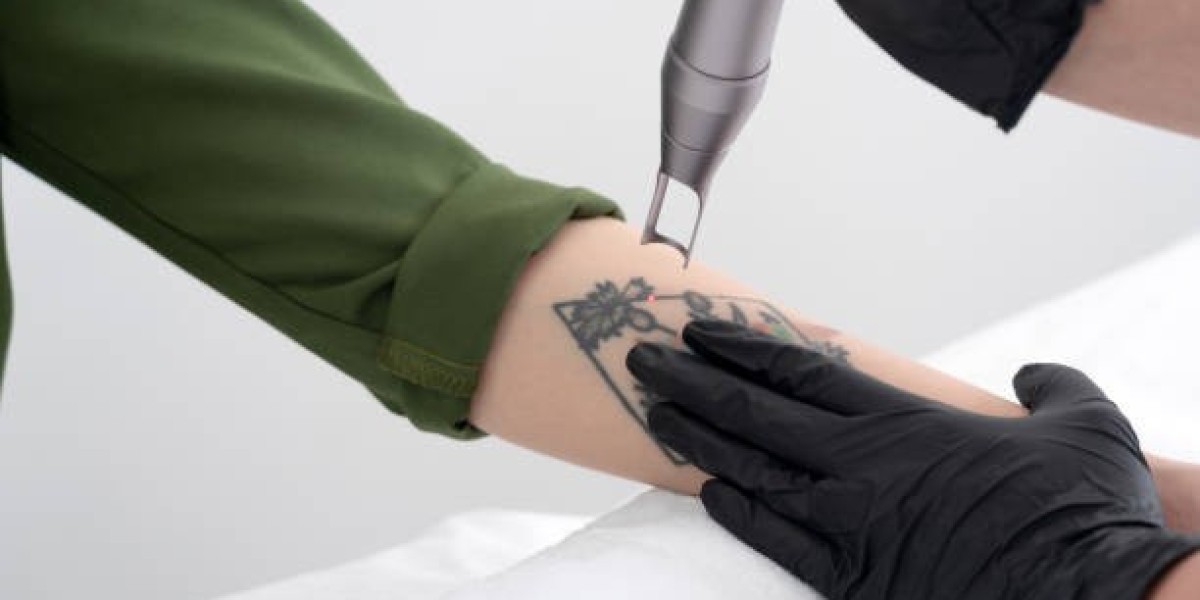

The age of a tattoo can influence how it responds to laser treatment, but it is not the only factor that determines removal results. Over time, tattoo ink may naturally become lighter as the body gradually processes some pigment and sunlight affects the skin. However, older tattoos can still contain deeply embedded or dense ink that requires multiple treatment sessions. Understanding the relationship between tattoo age and tattoo removal riyadh can help patients develop realistic expectations before beginning treatment.
Does Tattoo Age Affect Laser Tattoo Removal?
Yes, tattoo age can influence the removal process. Older tattoos have had more time to undergo natural fading, while newer tattoos may contain stronger and more concentrated pigment.
However, age alone does not determine how easily a tattoo can be removed. Ink color, composition, depth, density, tattoo location, skin type, and individual healing response can all play important roles.
Why Do Older Tattoos Sometimes Fade Naturally?
Tattoo ink is placed within the dermis, where it can remain for many years. Nevertheless, the body's immune system continues to interact with pigment over time.
Small amounts of pigment can gradually be processed, while exposure to sunlight may also cause some colors to lose intensity. As a result, an older tattoo may appear less vibrant than it did when it was first created.
Are Older Tattoos Easier to Remove?
An older tattoo may sometimes respond favorably because some natural fading has already occurred. However, this does not mean every old tattoo is easier to remove.
Natural Fading
If a tattoo has already become noticeably lighter, there may be less visible pigment remaining for the laser to target.
Persistent Pigment
Some tattoo ink remains deeply embedded for many years. Even an old tattoo can contain dense or resistant pigment that requires a longer treatment process.
Are New Tattoos Harder to Remove?
Newer tattoos may contain a high concentration of fresh pigment. Because the ink has not had as much time to undergo natural fading, the tattoo may initially appear more saturated.
This does not necessarily mean a new tattoo cannot respond well to laser treatment. Its color, composition, depth, and density are still important considerations.
Does Ink Color Matter More Than Tattoo Age?
Ink color can be a major factor in treatment response. Dark pigments such as black often absorb suitable laser wavelengths efficiently, while some lighter or more complex colors can be more challenging.
A very old tattoo containing resistant pigments may therefore be harder to treat than a newer tattoo containing more responsive pigment. This illustrates why tattoo age should always be considered alongside other characteristics.
How Does Ink Depth Affect Older Tattoos?
The depth of tattoo pigment can influence how efficiently laser energy reaches it. Professional tattoos may have pigment deposited relatively deeply and consistently within the dermis.
Even when a tattoo has faded over the years, deeper pigment may remain. Laser treatment can progressively break this pigment into smaller particles, which the body then gradually clears.
Does Tattoo Location Influence Results?
Yes. The body's ability to clear fragmented pigment can vary depending on the tattoo's location and local circulation.
Tattoos located on areas with relatively stronger circulation may sometimes fade differently from tattoos on areas with slower circulation. Location is therefore considered when assessing an older tattoo.
Can Sun Exposure Affect an Old Tattoo?
Long-term sun exposure can cause tattoo pigments and surrounding skin to change over time. While natural fading may make an old tattoo appear lighter, excessive sun exposure can also affect the condition and pigmentation of the skin.
Protecting the treated area from unnecessary ultraviolet exposure is important during a laser tattoo removal treatment plan.
How Many Sessions Might an Older Tattoo Need?
There is no fixed number of sessions for an older tattoo. The required treatment course depends on several factors, including:
- Tattoo age
- Ink color and composition
- Ink density
- Pigment depth
- Tattoo size
- Body location
- Skin type
- Previous treatment
- Individual response
The laser progressively fragments tattoo pigment, while the body needs time to clear the particles. This is why treatments are generally spaced apart rather than performed repeatedly in a short period.
Can an Old Tattoo Be Completely Removed?
Complete removal cannot be guaranteed, even when a tattoo is many years old. Some pigments may be resistant, and traces of ink can remain after treatment.
For many patients, substantial fading can still provide a meaningful improvement. In some cases, reducing the tattoo's visibility can also make it more suitable for a future cover-up.
Does Previous Treatment Change the Results?
Yes. If an older tattoo has already undergone laser treatment, the remaining pigment may respond differently during subsequent sessions.
Previous removal attempts, cover-up tattoos, or other treatments should be discussed during the consultation. This information helps the practitioner understand the tattoo's history and plan treatment appropriately.
How Does Skin Type Affect an Older Tattoo?
Skin tone and characteristics can influence laser selection and treatment settings. The laser needs to target tattoo pigment while minimizing unnecessary interaction with natural melanin in the surrounding skin.
For Laser Tattoo Removal in Riyadh, individualized assessment is particularly important when treating different skin tones or tattoos with complex pigmentation.
What Happens During the Removal Process?
During treatment, laser energy is directed toward the tattoo pigment. The pigment absorbs the energy and breaks into smaller particles.
The body's natural processes then gradually clear these fragments. The tattoo may become progressively lighter after each session rather than disappearing immediately.
Why Is Professional Assessment Important?
A professional assessment allows the practitioner to evaluate the tattoo's age, size, color, depth, density, location, and the patient's skin characteristics. These factors can help determine an appropriate treatment approach.
Rather than assuming that an old tattoo will automatically be easier to remove, a personalized evaluation provides a more realistic understanding of potential results.
Book an Appointment at Royal Clinic Saudia
If you have an old unwanted tattoo and are considering laser removal, Royal Clinic Saudia can evaluate your tattoo and skin characteristics and discuss suitable treatment options. A personalized consultation can help you understand what may influence your treatment journey and expected fading.
FAQs:
Are older tattoos easier to remove with laser treatment?
They may sometimes respond well because of natural fading, but age alone does not determine treatment success.
Can a new tattoo be treated with laser removal?
New tattoos may be treatable, but the skin needs to be appropriately assessed before treatment.
Does tattoo color affect removal more than age?
Color can have a major influence, and certain pigments are more responsive to laser treatment than others.
Can an old tattoo be completely removed?
Significant fading is possible for many tattoos, but complete removal cannot be guaranteed.