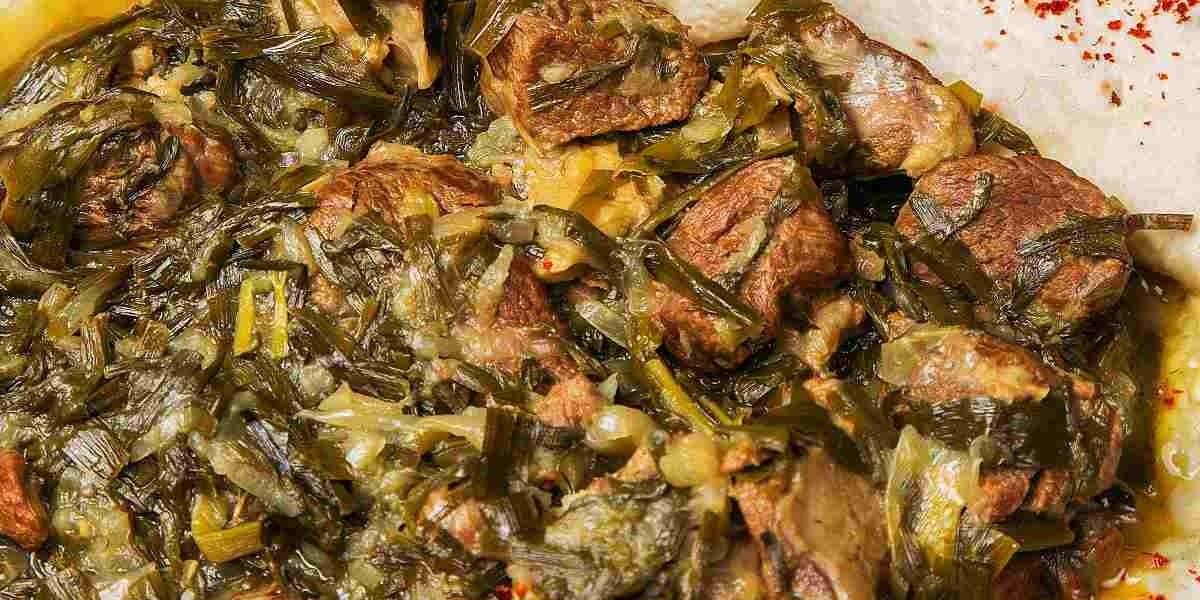

Some recipes are taught in culinary schools. Others are taught at the stove, by feel, by smell, and by the quiet correction of a grandmother saying "not yet" as you reach for the greens too soon. Goat Sukuma Wiki Vegetable Stew belongs firmly in the second category, a dish built on instinct, patience, and a handful of ingredients that have fed East African families for generations.
This guide takes a slightly different approach than a standard recipe card. Instead of just listing steps, it breaks down the why behind each stage of cooking, so you understand what's actually happening in the pot and why skipping a step (even one that seems small) changes the outcome.
Understanding the Dish Before You Cook It
At its core, this is a two-part dish: slow-braised goat meat and quickly-cooked greens, brought together at the very end. Treating it as two separate techniques rather than one long recipe is the secret to getting both components right.
The goat meat needs low, slow heat over time to break down tough connective tissue into something tender and rich. The sukuma wiki, on the other hand, needs almost the opposite: quick, high-attention cooking so it stays vibrant and slightly firm instead of turning into a grey, mushy afterthought.
Once you separate these two mindsets, cooking a proper Traditional Goat Sukuma Wiki Stew stops feeling like a long, intimidating process and starts feeling like two manageable tasks that happen to share one pot.
Ingredients: What You Actually Need (and Why)
For the Goat Meat
2 lbs bone-in goat meat, cut into chunks
2 tbsp cooking oil or ghee
1 large onion, diced
3–4 garlic cloves, minced
1-inch knob of ginger, grated
2 ripe tomatoes, chopped (or 3 tbsp tomato paste)
1 tsp curry powder
1 tsp ground cumin
½ tsp turmeric
Salt and pepper to taste
2–3 cups water or stock
1 bouillon cube (optional)
Why bone-in? The bones and marrow release collagen and flavor into the braising liquid as it simmers, giving the sauce body it simply can't get from boneless cuts alone.
For the Sukuma Wiki
1 large bunch sukuma wiki (or collard greens/kale), stems removed, leaves thinly sliced
Juice of half a lemon
A pinch of salt
Why so few ingredients for the greens? Because the greens are meant to absorb the flavor of the stew they're added to, they don't need their own elaborate seasoning.
The Cooking Process, Explained Step by Step
1. Sear the Meat Properly
Pat the goat meat dry before searing excess moisture prevents browning. Sear in batches over medium-high heat until each piece has a deep brown crust. This step alone builds a significant portion of the stew's final flavor, so don't rush it or crowd the pan.
2. Build the Base Slowly
Lower the heat and add the onions to the same pot, scraping up the browned bits from the bottom (this is where a lot of flavor hides). Cook until soft, then add garlic and ginger. Stir in the tomatoes and spices, letting the mixture cook down into a thick, jammy paste before adding any liquid.
3. Braise Low and Slow
Return the meat to the pot, add your liquid, and bring it to a simmer, not a rolling boil, which can toughen the meat instead of tenderizing it. Cover and let it cook gently for 90 minutes to 2 hours, checking occasionally to make sure there's enough liquid.
4. Test for Doneness
The meat is ready when a fork slides in with almost no resistance. If it's still firm, keep simmering there's no shortcut here, and this patience is what separates a true Kenyan Goat Sukuma Wiki Delight from a rushed imitation.
5. Fold in the Greens
Once the meat is tender, stir the sliced sukuma wiki directly into the hot stew. Cook uncovered for about 8 minutes, just until wilted. Finish with lemon juice and a final taste for salt.
Common Mistakes That Ruin This Stew
Even experienced home cooks can trip up on a few key details. Here's what to watch for:
Adding the greens too early: This overcooks them, turning a fresh, vibrant vegetable into a dull, flavorless mush.
Boiling instead of simmering the meat: Aggressive boiling causes proteins to seize up, resulting in tough, chewy meat rather than tender bites.
Skipping the sear: Going straight to braising without browning the meat first skips an entire layer of flavor development.
Under-seasoning early on: Season in stages with a little salt with the meat, more with the aromatics, and a final adjustment at the end rather than all at once.
Not accounting for evaporation: Check the liquid level periodically during the long braise and top up with water or stock as needed so the sauce doesn't scorch.
Building a Full Kenyan-Inspired Meal Around This Stew
A well-made Hearty Goat and Sukuma Wiki Stew is satisfying enough to be the centerpiece of a meal, but pairing it thoughtfully rounds everything out. Consider building your plate around one starch and one lighter side.
Starch options:
Ugali, for scooping and soaking up the sauce
Steamed rice
Fresh chapati if you'd like to make your own from scratch, this recipe for fluffy Kenyan chapatis breaks the process down clearly
Mukimo, if you want something creamier alongside the stew try this Kenyan mukimo recipe for the full method
Lighter side options:
A crisp, acidic salad to cut through the richness of the meat, like this easy vegetable salad
If you enjoy this style of cooking, it's worth exploring other East African-inspired dishes as well, including this chicken stew made East African style, or for a quicker weeknight option, this Kenyan ground beef bake, which shares a similar spice profile in a fraction of the cooking time.
Adapting the Recipe to Your Kitchen
Not everyone has hours to babysit a pot on the stove, and that's fine this dish adapts well to different equipment.
Instant Pot / Pressure Cooker
Sear and build the base using the sauté function, then pressure cook the meat for 35–40 minutes with a natural release. Switch back to sauté mode to add and wilt the greens at the end.
Slow Cooker
Sear the meat and build the aromatic base on the stovetop first (don't skip this, a slow cooker won't replicate that browning). Transfer everything to the slow cooker and cook on low for 6–7 hours, adding the greens in the last half hour.
Dutch Oven in the Oven
For a more hands-off stovetop-free method, braise the covered pot in a 300°F oven for about 2 hours instead of simmering on the burner. This gives more even, consistent heat with less risk of scorching.
No matter which method you choose, the fundamentals of an Authentic Sukuma Wiki Goat Recipe stay the same: sear well, build flavor slowly, braise patiently, and add greens last.
The Nutritional Case for This Stew
Beyond flavor and tradition, this dish holds up well nutritionally, which is part of why it has remained a staple rather than a fading trend.
Goat meat is naturally leaner than beef or lamb, while still delivering a strong dose of protein, iron, and B vitamins useful for energy and muscle maintenance.
Sukuma wiki contributes fiber, vitamin A, vitamin C, and calcium, along with very few calories, helping to balance out the richness of the meat.
The dish is naturally gluten-free and dairy-free, making it accessible for a wide range of dietary preferences without any substitutions needed.
This balance of lean protein and leafy greens is one reason a Goat Sukuma Wiki Vegetable Stew can comfortably sit in a weekly meal rotation rather than being reserved only for special occasions.
Make-Ahead and Storage Guidance
This is a dish that genuinely improves with a rest. The flavors continue to meld as it sits, making it an excellent make-ahead option.
Refrigerate in an airtight container for up to 4 days.
Freeze in individual portions for up to 3 months thaw overnight in the fridge before reheating.
Reheat gently over low-medium heat on the stovetop, adding a splash of water or broth to loosen the sauce if it has thickened during storage.
A Rustic Dish Worth Preserving
There's something worth protecting about dishes like these recipes that don't rely on obscure ingredients or elaborate technique, but instead reward attention, patience, and respect for the process. A Rustic Goat Meat Vegetable Stew like this one isn't about perfection; it's about getting the fundamentals right and letting time do the rest of the work.
Final Thoughts
Learning to cook a proper Goat Sukuma Wiki Vegetable Stew isn't about memorizing a recipe, it's about understanding the rhythm of the dish: sear, build, braise, wait, and finish. Once that rhythm clicks, you'll find yourself adjusting spice levels, swapping in seasonal greens, or scaling the recipe up for a crowd without ever needing to look at a recipe card again. That's the real inheritance passed down through dishes like this one, not just the ingredients, but the instinct for how to cook them well.
Frequently Asked Questions
Can I use goat stew meat that's already boneless?
Yes, though bone-in cuts are recommended when possible since the bones add extra richness and body to the braising liquid. If you only have boneless meat, consider adding a splash of extra stock or a small piece of oxtail or marrow bone for added depth.
How do I know when the goat meat is fully cooked?
The meat is done when it's fork-tender and pulls apart with very little resistance. If it still feels chewy or firm after the initial cooking time, continue simmering in 15-minute increments until tender.
What's the difference between sukuma wiki and regular kale?
Sukuma wiki and kale are closely related and often used interchangeably in recipes. Sukuma wiki tends to have a slightly milder, less bitter flavor and a more tender leaf, but kale or collard greens work as a very close substitute.
Can this stew be made ahead for meal prep?
Yes, and it's actually recommended. The flavors deepen after a day in the refrigerator, making it an ideal dish to prepare in advance for the week.
Is this recipe spicy?
The base recipe is mildly spiced rather than hot. If you prefer more heat, add a chopped scotch bonnet or bird's eye chili during the aromatics stage.
What can I substitute for goat meat if it's not available?
Lamb or beef chuck are the closest substitutes in terms of texture and flavor profile, though cooking times may vary slightly depending on the cut.