
Sodium carbonate, commonly known as soda ash or washing soda, is a widely used chemical compound found in many household and industrial products. It plays an important role in cleaning agents, water treatment systems, glass manufacturing, and various other applications. Because it is used so frequently, many people wonder whether sodium carbonate is safe for humans, pets, and the environment. Understanding its properties, benefits, and potential risks can help users handle it responsibly and safely. While sodium carbonate is generally considered safe when used correctly, it can cause irritation and other issues if mishandled or used in excessive amounts.
What Is Sodium Carbonate?
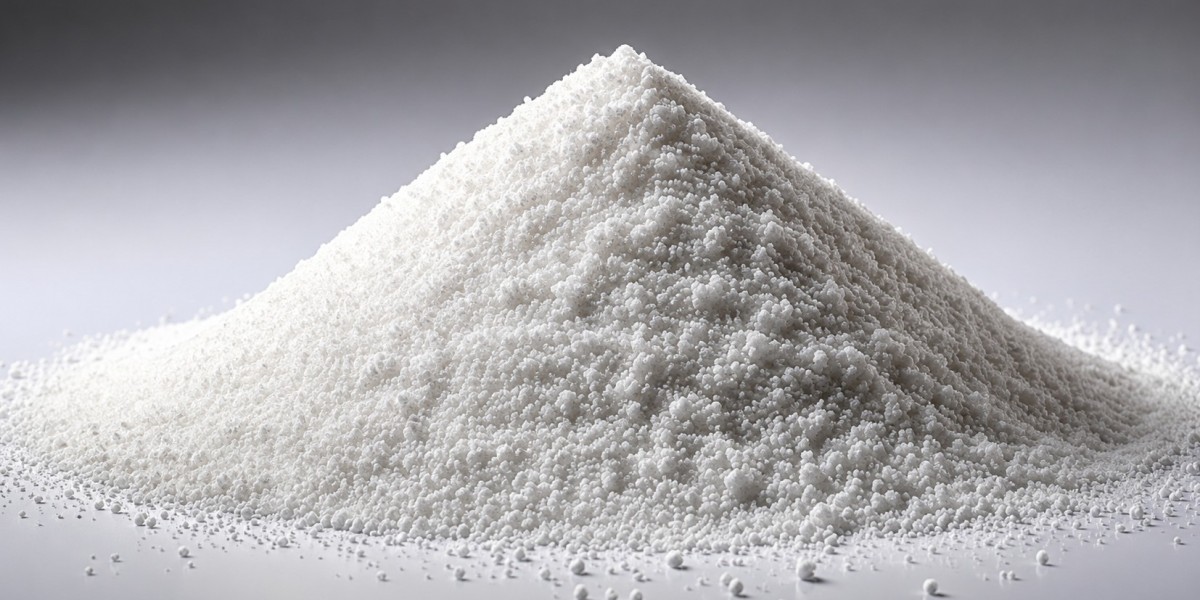
Sodium carbonate is an inorganic chemical compound with the formula Na₂CO₃. It appears as a white, odorless powder or granular substance that dissolves easily in water. This compound occurs naturally in mineral deposits and can also be manufactured through industrial processes. Sodium carbonate is alkaline, meaning it has a high pH level that helps neutralize acids and remove grease, dirt, and stains. Its effectiveness and affordability have made it a popular ingredient in cleaning products, detergents, and many industrial operations worldwide.
Is Sodium Carbonate Safe for Human Use?
Sodium carbonate is generally regarded as safe when used according to recommended guidelines. It is not classified as highly toxic and does not usually pose serious health risks during normal use. However, because it is an alkaline substance, direct contact with the eyes, skin, or respiratory system may cause irritation. Most people can safely use products containing sodium carbonate without experiencing adverse effects. Following proper handling instructions and avoiding unnecessary exposure can significantly reduce the likelihood of irritation or discomfort.
Skin Contact and Safety Concerns
Direct skin contact with sodium carbonate may cause mild to moderate irritation, especially for individuals with sensitive skin. Symptoms can include redness, dryness, itching, or a burning sensation after prolonged exposure. Although occasional contact is unlikely to cause severe damage, repeated exposure may worsen irritation. Wearing gloves while handling concentrated sodium carbonate solutions or powders is a practical way to protect the skin. Washing exposed areas with water can also help prevent discomfort and maintain skin health.
Eye Exposure Risks
The eyes are particularly sensitive to sodium carbonate exposure. If the powder or solution comes into contact with the eyes, it can cause redness, pain, tearing, and irritation. In more serious cases, prolonged exposure may damage eye tissues if not treated promptly. Anyone handling sodium carbonate should avoid touching their eyes and consider wearing protective eyewear when working with large quantities. If eye exposure occurs, flushing the eyes thoroughly with clean water for several minutes is the recommended first-aid response.
Is Sodium Carbonate Safe to Breathe?
Breathing small amounts of sodium carbonate dust is generally not dangerous, but inhaling large quantities may irritate the nose, throat, and lungs. People working in industrial environments where soda ash dust is common should use proper ventilation and respiratory protection when necessary. Symptoms of inhalation exposure may include coughing, throat irritation, or temporary breathing discomfort. Maintaining clean workspaces and minimizing airborne dust can help reduce respiratory risks associated with sodium carbonate.
Can Sodium Carbonate Be Ingested?
Accidental ingestion of small amounts of sodium carbonate is unlikely to cause severe harm, but consuming larger quantities can lead to digestive irritation. Symptoms may include nausea, vomiting, stomach pain, and diarrhea. Sodium carbonate is not intended for direct consumption unless present in approved food-related applications under controlled conditions. If significant ingestion occurs, seeking medical advice is recommended. Keeping sodium carbonate products stored safely away from children can help prevent accidental swallowing incidents.
Common Household Uses of Sodium Carbonate
Sodium carbonate is widely used in households because of its excellent cleaning and water-softening properties. It is commonly found in laundry detergents, stain removers, dishwasher products, and general cleaning solutions. The compound helps break down grease, remove stubborn stains, and improve detergent performance in hard water conditions. Many homeowners value sodium carbonate because it provides effective cleaning results while being relatively affordable and easy to use when proper precautions are followed.
Industrial Applications and Safety
Industries use sodium carbonate extensively in manufacturing processes. It plays a major role in producing glass, paper, soaps, detergents, and chemicals. Water treatment facilities also rely on sodium carbonate to adjust pH levels and improve water quality. In industrial settings, safety measures are more important because workers may handle larger quantities of the compound. Protective equipment, proper storage practices, and workplace safety procedures help ensure safe use and minimize exposure risks.
Environmental Impact of Sodium Carbonate
Sodium carbonate is generally considered less harmful to the environment than many other industrial chemicals. It naturally breaks down into substances that occur in the environment and does not typically accumulate in ecosystems. However, releasing large amounts into waterways may alter water chemistry and affect aquatic organisms. Responsible disposal practices and compliance with environmental regulations help minimize potential ecological impacts. When used correctly, sodium carbonate is often regarded as an environmentally manageable chemical.
Is Sodium Carbonate Safe for Pets?
Pets can be sensitive to cleaning products and chemicals, including sodium carbonate. Small amounts left on cleaned surfaces are generally not harmful after proper rinsing, but direct ingestion or prolonged contact can cause irritation. Symptoms in pets may include drooling, vomiting, skin irritation, or digestive discomfort. Pet owners should store sodium carbonate products securely and prevent animals from accessing concentrated powders or solutions. Following product instructions helps maintain a safe environment for household pets.
Safe Storage and Handling Tips
Proper storage is essential for maintaining the safety and effectiveness of sodium carbonate. The compound should be kept in a tightly sealed container in a cool, dry location away from moisture. Exposure to humidity can cause clumping and reduce product quality. Users should keep it out of reach of children and pets and avoid storing it near incompatible chemicals. Reading product labels and following manufacturer recommendations can help ensure safe handling and long-term usability.
First Aid Measures for Exposure
Knowing basic first-aid procedures can help manage accidental sodium carbonate exposure. For skin contact, wash the affected area thoroughly with water. If eye exposure occurs, rinse continuously with clean water for several minutes and seek medical attention if irritation persists. In cases of inhalation, moving to fresh air can relieve symptoms. If swallowed in significant amounts, medical guidance should be obtained promptly. Quick and appropriate action can reduce the severity of most exposure-related issues.
Comparing Sodium Carbonate to Other Cleaning Chemicals
Compared with many stronger industrial cleaners, sodium carbonate is generally considered a safer option. It is less corrosive than highly concentrated acids and many harsh alkaline substances. Its effectiveness in cleaning and water softening makes it a practical alternative for numerous applications. However, safety precautions are still necessary because it can irritate skin, eyes, and the respiratory system. Understanding its strengths and limitations allows users to make informed decisions when selecting cleaning products.
Conclusion
Sodium carbonate is a versatile and widely used chemical that is generally safe when handled responsibly. It offers valuable benefits in household cleaning, industrial manufacturing, and water treatment applications. Although it is not highly toxic, it can cause irritation to the skin, eyes, and respiratory system if proper precautions are not followed. Safe storage, careful handling, and adherence to recommended guidelines are essential for minimizing risks. By understanding how sodium carbonate works and using it correctly, individuals and businesses can take advantage of its benefits while maintaining a safe environment.