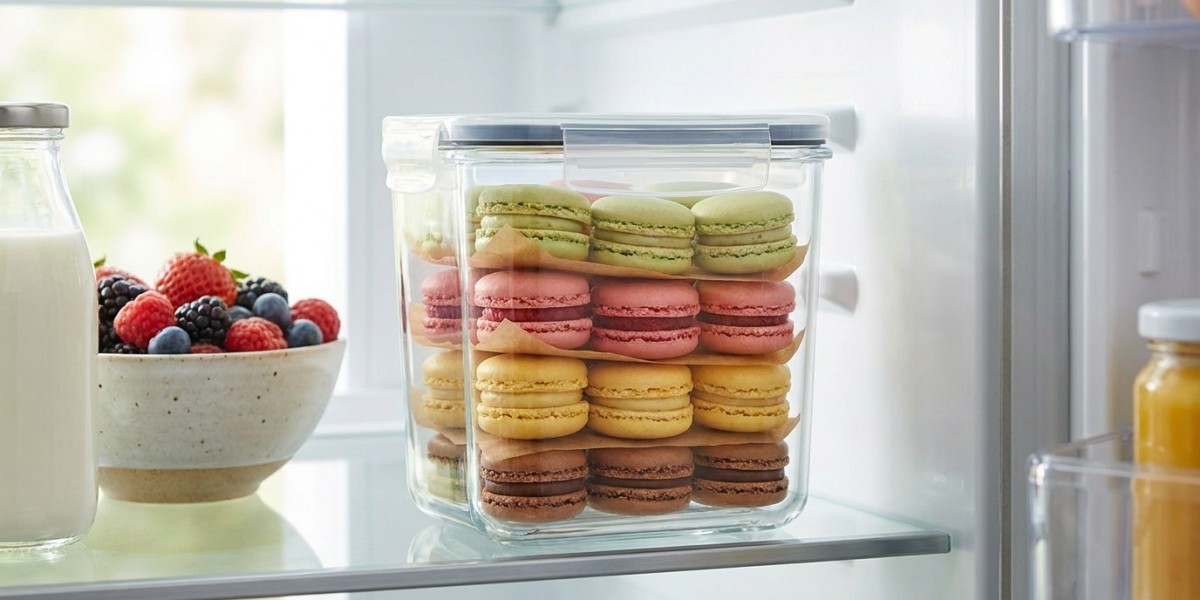

French macarons are delicate little treats. One day they taste perfect, with a crisp shell and soft, chewy center. The next day they can turn dry, cracked, or soggy if you store them the wrong way. The good news? Keeping macarons fresh is simple once you know a few basic rules.
I've baked and stored hundreds of macarons over the years, and I've made just about every storage mistake possible. Through plenty of trial and error, I learned what actually keeps these cookies tasting their best. This guide walks you through every method, from your kitchen counter to your freezer, plus the small details that make a big difference.
By the end, you'll know exactly how to store your macarons for any situation, whether you're saving a few for tomorrow or freezing a batch for next month.
Why Storing Macarons the Right Way Matters
Macarons are not like regular cookies. They're made from almond flour, egg whites, and sugar, with a filling tucked between two shells. This structure makes them sensitive to two things: moisture and air.
Here's what goes wrong with poor storage:
Too much air dries out the shells and turns them brittle.
Too much moisture makes the shells soft and the filling weepy.
Strong smells from your fridge can soak into the cookies.
Temperature swings can crack the delicate shells.
Storing them well protects both texture and flavor. A properly stored macaron keeps that signature "crisp outside, soft inside" bite that makes these cookies special.
The Maturing Process: A Quick Tip From Experience
Here's something most beginners don't know. Macarons taste better after they rest. This is called "maturing." When you fill a macaron and let it sit in the fridge for 24 hours, the filling softens the inside of the shell slightly. The result is a more even, melt-in-your-mouth texture.
I learned this the hard way. The first batches I served right after baking tasted dry and almost crunchy. Once I started letting them mature overnight, customers and friends noticed the difference immediately. So storage isn't just about keeping macarons fresh. Sometimes it actually improves them.
How to Store Macarons at Room Temperature
Room temperature storage works best for short periods. If you plan to eat your macarons within a day or two, you can keep them on the counter, but only under the right conditions.
Follow these steps:
Place macarons in an airtight container. This is the single most important step.
Keep the container away from direct sunlight, the stove, or any heat source.
Store them in a cool, dry spot, ideally between 65°F and 70°F (18°C to 21°C).
Avoid stacking them too tightly, since pressure can crack the shells.
Room temperature storage is fine for unfilled shells too. In fact, empty shells last a bit longer at room temperature than filled ones, because there's no moist filling to soften them.
When Room Temperature Is a Bad Idea
Skip the counter if your filling contains anything perishable. Buttercream, ganache, cream cheese, fruit curds, and custards all need refrigeration. Leaving these out for more than a few hours risks spoilage and food safety problems.
If your kitchen is warm or humid, the counter isn't your friend either. Heat softens fillings, and humidity ruins shells. When in doubt, move them to the fridge.
How to Store Macarons in the Refrigerator
The refrigerator is the most common and reliable way to store filled macarons. Most bakeries chill their macarons, and for good reason. The cold keeps fillings safe and helps the cookies hold their shape.
Here's how to do it properly:
Fill your macarons and pair them up.
Place them in a single layer inside an airtight container.
If you need to stack layers, separate each one with parchment paper.
Seal the container tightly to block out fridge odors and moisture.
Store toward the back of the fridge, where the temperature stays most stable.
The back of the fridge matters more than people think. The door swings open and closed all day, causing temperature changes that aren't great for delicate cookies.
Bringing Refrigerated Macarons Back to Life
Cold macarons taste flat. The flavors and textures dull when chilled, so never serve them straight from the fridge. Instead, take them out and let them sit at room temperature for 20 to 30 minutes before eating. This small step wakes up the flavor and softens the filling to the perfect texture.
How to Freeze Macarons for Long-Term Storage
Freezing is the secret weapon for anyone who bakes in big batches or wants to plan ahead. Macarons freeze surprisingly well, and many people can't tell the difference between fresh and frozen once thawed properly.
You can freeze both filled and unfilled macarons.
For filled macarons:
Let them mature in the fridge for 24 hours first.
Arrange them in a single layer on a tray and freeze until solid (about one hour).
Transfer the frozen macarons to an airtight container.
Separate layers with parchment paper.
Label the container with the date.
For unfilled shells:
Cool the shells completely after baking.
Stack them carefully in an airtight container with parchment between layers.
Freeze, then fill them fresh whenever you're ready to serve.
Freezing unfilled shells gives you the most flexibility. You can bake ahead, freeze, and fill them on the day you need them.
A Word on Quality
Freezing pauses freshness, but it doesn't last forever. For the best taste and texture, eat frozen macarons within two to three months. After that, they're still safe to eat, but the texture may start to suffer.
How to Thaw Frozen Macarons the Right Way
Thawing is where many people ruin their hard work. Rush it, and you'll get condensation that turns shells soggy. Take it slow, and your macarons come out almost as good as fresh.