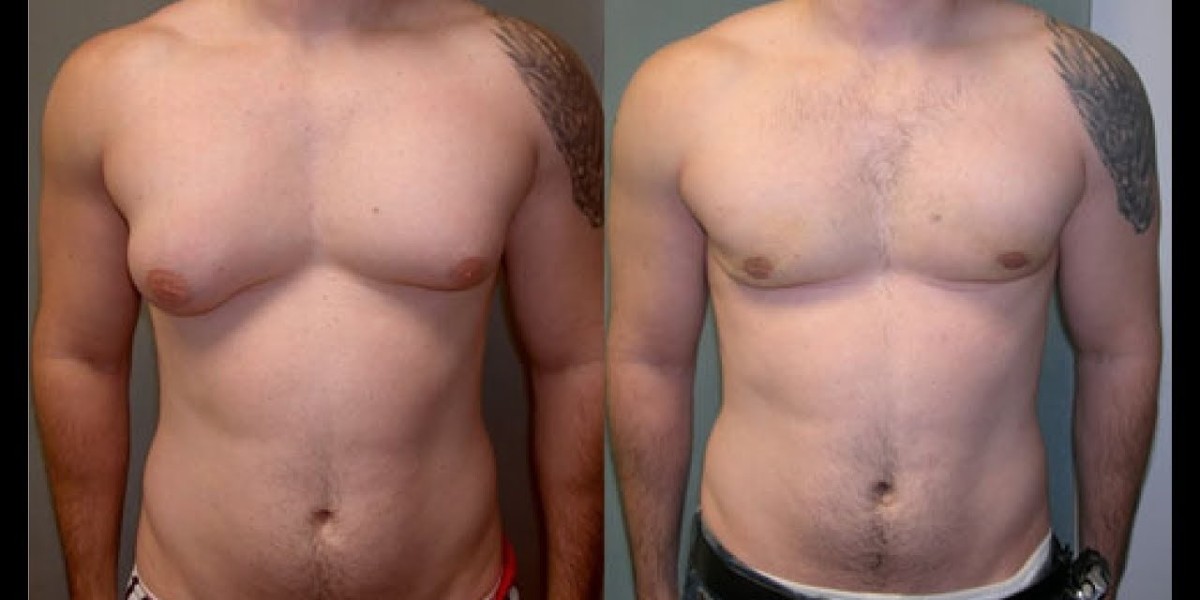

Gynaecomastia is the enlargement of male breast tissue and can affect one or both sides of the chest. The condition may involve glandular tissue, excess fat, or a combination of both. When persistent enlargement affects appearance, comfort, or confidence, male breast reduction may be considered after an appropriate medical assessment.
Gynaecomastia Surgery in Dubai is designed to reduce unwanted chest tissue and improve the overall chest contour. The procedure can involve liposuction, surgical excision, or both, depending on the individual's anatomy and the type of tissue contributing to the enlargement.
What Is Gynaecomastia Surgery?
Gynaecomastia surgery, also known as male breast reduction, is a procedure used to reduce enlarged male breast tissue. The goal is generally to create a flatter and more proportionate chest while preserving a natural appearance.
The treatment approach is not identical for every patient. Some individuals have mostly fatty tissue, while others have firm glandular tissue beneath the nipple. More advanced cases may also involve loose skin or changes in the nipple and areola position.
How Is the Procedure Planned?
Before surgery, an assessment helps determine the composition of the enlarged chest and identify the most appropriate surgical technique.
Medical history, current medications, previous procedures, general health, and individual goals may be reviewed. The chest can be examined for tissue type, size, symmetry, skin quality, and nipple position. Depending on the findings, additional medical testing may be recommended to investigate the cause of gynaecomastia.
This planning stage is important because removing fatty tissue requires a different approach from removing firm glandular tissue or excess skin.
Liposuction for Gynaecomastia
When Is Liposuction Used?
Liposuction may be suitable when excess fatty tissue is a major contributor to chest enlargement. During the procedure, a thin cannula is introduced through small incisions, allowing unwanted fat to be removed and the chest contour to be refined.
Liposuction can reduce rounded fullness and improve the transition between the chest and surrounding torso.
However, it does not remove firm glandular breast tissue. Therefore, it may not be sufficient for every case of gynaecomastia.
Surgical Excision of Glandular Tissue
When firm glandular tissue contributes significantly to breast enlargement, surgical excision may be required.
The excess tissue is removed through carefully planned incisions. The location and size of these incisions depend on the amount of tissue being removed and the individual's anatomy.
Excision can also be considered when significant excess skin needs to be addressed or when the nipple and areola require repositioning for a more balanced chest contour.
Combining Liposuction and Excision
Some men have both excess fat and glandular tissue. In these cases, a combination of liposuction and surgical excision may be used.
Liposuction can address fatty fullness, while excision can remove firm glandular tissue. Combining the techniques may allow different components of the enlarged chest to be treated during the same procedure.
The selected approach should be based on individual anatomy rather than a standard technique applied to every patient.
Addressing Excess Skin
Significant gynaecomastia or substantial weight loss can sometimes result in loose skin around the chest. When skin laxity is considerable, simply removing underlying tissue may not provide the desired contour.
In such cases, additional skin excision may be considered. More extensive correction can also involve adjustments to the nipple or areola to maintain appropriate proportions.
The extent of skin correction depends on skin elasticity, the amount of excess tissue, and the overall chest structure.
What Happens During the Procedure?
The procedure begins with anesthesia to ensure comfort. The type of anesthesia depends on the planned treatment and individual circumstances. General anesthesia or other appropriate anesthesia techniques may be considered according to the surgical plan.
Once anesthesia has taken effect, the selected incisions are made. Liposuction may then be performed to remove excess fat, while excision can address glandular tissue or excess skin when required.
After the unwanted tissue has been removed, the chest is carefully assessed for balance and contour. Incisions are then closed, and dressings or a compression garment may be applied.
How Are the Incisions Positioned?
Incision placement depends on the surgical technique and the amount of tissue that needs to be removed.
When liposuction alone is appropriate, several small incisions may be used to introduce the cannula. Excision generally requires larger incisions, with the pattern determined by the amount of glandular tissue or skin involved.
In some cases, an incision around part of the areola can provide access for glandular tissue removal. More extensive procedures may require longer incisions to address substantial skin excess.
What Happens to the Nipple and Areola?
The nipple and areola are important elements of the final chest appearance. Pronounced gynaecomastia can stretch the areola or cause it to appear disproportionate to the rest of the chest.
When necessary, excision techniques can be used to reduce the areola or reposition the nipple and areola complex.
Not every patient requires this additional correction. The decision depends on the individual's chest anatomy and the extent of the enlargement.
What Happens Immediately After Surgery?
Following Gynaecomastia Surgery in Dubai, the chest may be covered with dressings and supported with a compression garment. Some patients may also have temporary drains to help remove blood or fluid during the initial healing period.
Swelling, bruising, soreness, and tightness are common during early recovery. These effects can temporarily make the chest appear different from the expected final result.
Postoperative instructions generally cover incision care, medication, compression garment use, physical activity, and follow-up appointments.
Why Is a Compression Garment Used?
A compression garment may provide support to the treated chest and help manage postoperative swelling.
The duration of compression varies according to the procedure and individual recovery. It is therefore important to follow the specific instructions provided rather than relying on a fixed schedule.
The garment can also provide additional comfort while the tissues settle into their new contour.
What Is the Recovery Process?
Recovery depends on the extent of surgery. A procedure involving liposuction alone may have different recovery requirements from one involving glandular excision or significant skin removal.
Early recovery generally involves rest, limited physical activity, and careful wound management. Heavy lifting and strenuous upper-body exercise should be avoided until adequate healing has occurred and activity has been cleared.
As swelling decreases, the chest gradually begins to show its developing contour. Final results can take several months because tissues continue to heal after the initial recovery period.
When Can You Return to Normal Activities?
The timing for returning to work and exercise varies between individuals.
People with less physically demanding work may return sooner than those whose jobs involve heavy lifting or repetitive upper-body movement. Similarly, light activity generally returns before strenuous gym workouts or chest exercises.
Your recovery should be assessed individually, and postoperative instructions should take priority over general timelines.
What Results Can You Expect?
The primary objective of male breast reduction is to reduce unwanted tissue and improve chest proportions. Many patients seek a flatter appearance and a more defined transition between the chest and torso.
The final result is not visible immediately because swelling and tissue firmness can persist during the early recovery period. Cleveland Clinic notes that it can take approximately three to six months for the results to become apparent as swelling decreases and the tissues heal.
Results can be long-lasting, although significant weight changes or recurrence of an underlying cause may influence the chest over time.
Are Scars Part of the Procedure?
Scarring depends largely on the surgical technique and the amount of tissue or skin that needs to be removed.
Liposuction typically involves smaller incisions, while excision and skin removal can require more noticeable incision lines. Scars generally mature and become less prominent over time, but they do not completely disappear.
Discussing expected incision placement before surgery can help establish realistic expectations.
What Are the Possible Risks?
Gynaecomastia surgery carries potential risks, as with other surgical procedures. These can include bleeding, infection, blood clots, asymmetry, contour irregularities, fluid accumulation, changes in nipple or breast sensation, scarring, poor wound healing, persistent pain, and the possibility of revision surgery.
Understanding these risks is an important part of informed consent. Your individual risk profile should be discussed during the preoperative assessment.
Can Gynaecomastia Return After Surgery?
Surgical removal of excess tissue can provide a long-lasting improvement, but the chest can still change over time.
Significant weight gain may increase fatty tissue in the chest. Hormonal changes, certain medications, or other underlying factors can also contribute to renewed breast enlargement. Identifying and appropriately managing contributing factors is therefore important.
Maintaining a relatively stable weight and following appropriate lifestyle recommendations can support the long-term appearance.
Who May Consider the Procedure?
Men with persistent chest enlargement who are dissatisfied with their appearance or experience discomfort may consider male breast reduction after an appropriate evaluation.
However, surgery is not automatically necessary for every person with enlarged male breasts. Some cases may improve when an underlying cause is addressed, while fatty enlargement associated with excess body weight may respond to weight reduction.
A thorough assessment can help determine whether surgery is appropriate and which treatment approach best matches the individual's needs.
When Should Chest Enlargement Be Evaluated Medically?
Not every chest lump or enlargement should be assumed to be gynaecomastia. A hard or unusual lump, nipple discharge, skin changes, rapidly developing enlargement, or other concerning symptoms should receive appropriate medical evaluation.
Identifying the cause of breast enlargement before elective surgery is an important part of safe treatment planning.
Final Thoughts
Gynaecomastia Surgery in Dubai can involve liposuction, glandular tissue excision, skin removal, or a combination of techniques depending on the individual's chest structure. Understanding the procedure, incision approach, recovery process, possible risks, and expected results can help you make a more informed decision. If you are considering male breast reduction, TAJMEELS CLINIC can be part of your treatment-planning journey, where your chest concerns, treatment goals, and suitable surgical approach can be discussed during a consultation.
More Information
Tajmeels Clinic Dubai
WhatsApp: +971 56 203 8751
Phone: tel:+971 43739000
Social Media: