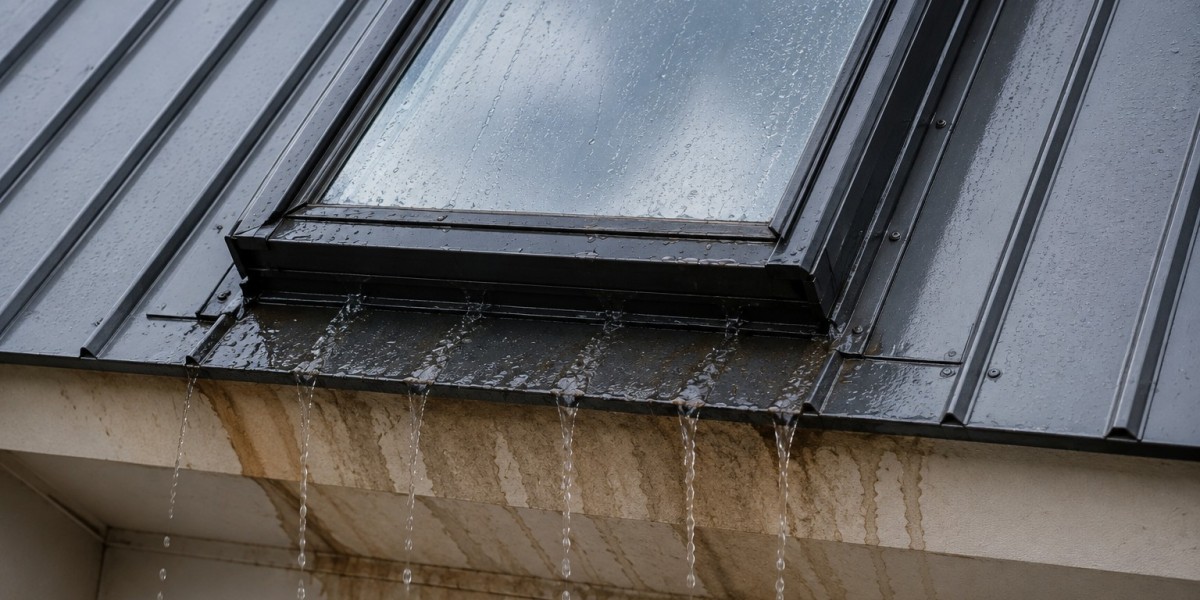

A skylight can make a room feel brighter and more open. But when water starts appearing around it, that extra sunlight can quickly become a headache.
You might notice a brown ceiling stain, a damp patch after rain, or an occasional drip during a Melbourne storm. The first thought is usually, “The skylight must be leaking.”
Not necessarily. In many cases, the skylight itself is fine. The problem sits around it, often in the flashing, seals or surrounding roof. Water can also enter somewhere higher up and travel along the roof before showing up around the skylight.
If you're looking for roof repair in melbourne, knowing the likely causes can help you understand what needs attention and avoid paying for an unnecessary skylight replacement.
1. Failed or Damaged Flashing
Flashing is one of the first things a roofing professional will check around a leaking skylight.
It sits between the skylight and the roof and helps direct rainwater away from the opening. When flashing works properly, water flows over the roof instead of finding its way underneath. Over time, however, flashing can corrode, lift, crack or separate from the surrounding materials. Poor installation can cause problems too.
Melbourne’s changing weather can put a lot of stress on roofing. Heat, cold, strong winds and heavy rain can gradually wear down flashing and seals. If water only appears during heavy or wind-driven rain, damaged flashing could be the reason. When you arrange roof repair in Melbourne, a professional should inspect the flashing and the surrounding roof to find the real source of the leak instead of simply covering the visible area with sealant.
2. Old or Cracked Sealant
Sealant doesn't last forever. Constant exposure to sunlight, rain and temperature changes can cause it to dry out, shrink and crack. Once gaps appear, water can get behind the skylight frame.
You may even see an old bead of silicone around the edge. That doesn't necessarily mean the area is waterproof.
Adding another layer over failed sealant might stop the leak temporarily, but it doesn't address what's underneath. If the flashing has failed or water has already entered another part of the roof, the problem will probably return. A professional inspection can determine whether the seal needs replacing or whether a larger waterproofing issue is involved.
3. Cracked Glass or Acrylic
Sometimes the skylight really is the problem. Glass can crack after impact from hail, branches or other debris. Older acrylic skylights can also become brittle, cloudy or damaged after years of UV exposure.
Even a small crack can allow rainwater inside. Check the skylight from inside the room for obvious cracks, cloudy areas or signs of moisture between glazing layers. If you can see damage, don't assume that replacing the entire unit is your only option. Depending on its condition, a professional may be able to replace the damaged component. If the frame has also deteriorated, however, a full replacement could make more sense.
4. Damage to the Roof Around the Skylight
This is an easy problem to overlook. A cracked , loose metal sheet, damaged fastener or failed joint near the skylight can let water into the roof. That water may then travel underneath the roofing material before appearing around the skylight.
As a result, the place where you see water isn't always where the leak starts. This is why simply sealing the skylight may not solve the issue. A roof plumber needs to inspect the surrounding area and trace the likely path of the water. Competitor guides also highlight this as a common reason homeowners misdiagnose skylight leaks.
5. Blocked Drainage
Rainwater needs somewhere to go. Leaves, dirt and other debris can build up around skylights, roof channels and nearby gutters. When water can't drain properly, it can collect around vulnerable joints and eventually find a way inside.
This can become especially noticeable during Melbourne's heavy rainfall. Keeping the roof and nearby gutters clear can reduce the risk. However, don't climb onto a wet roof to clean around a skylight. Roof surfaces become slippery very quickly, and skylights themselves aren't designed to be walked on.
6. Condensation Can Look Like a Leak
Not every skylight moisture problem comes from rain. Condensation can form when warm, humid air meets a cold skylight surface. Bathrooms, kitchens and laundries are particularly prone to this because they often have higher humidity.
The timing can provide a useful clue. If moisture appears when the weather is dry, or you regularly see droplets forming on the inside of the skylight, condensation may be involved. A leak is more likely when water appears after rainfall or during strong winds. Still unsure? Get the source checked rather than guessing.
7. Storm Damage
Melbourne storms can expose weaknesses that have been developing for years. Strong winds can lift flashing, damage roofing materials or loosen components around a skylight. Heavy rain can then enter through the newly created gap.
After a major storm, look from ground level for obvious signs of damage. Inside the home, check for new ceiling stains, damp patches or dripping around the skylight. If water is actively entering your home, don't wait for the next storm to see whether it happens again. Prompt roof repair in melbourne can help prevent a small leak from causing more serious damage to plasterboard, insulation and timber.
Should You Repair or Replace the Skylight?
A leaking skylight doesn't automatically mean you need a new one.
If the frame and glazing remain in good condition, repairing the flashing or seals may be enough. Replacement becomes more sensible when the skylight has cracked glazing, a badly deteriorated frame or repeated failures after previous repairs. Age matters too, but it shouldn't be the only deciding factor.
A good roofing professional should inspect the whole installation and explain what has actually failed before recommending replacement. That approach can save you money and prevent unnecessary work.
How a Professional Finds the Leak
Finding a skylight leak isn't always straightforward.
The visible stain on your ceiling may sit several centimetres or even metres away from the actual entry point. Water can travel along roofing structures before it finally reaches the ceiling.
A professional inspection may include checking:
- The skylight frame and glazing
- Flashing around the opening
- Nearby roof sheets
- Sealant and gaskets
- Fasteners and joints
- Gutters and drainage points
- Signs of condensation
- Previous repair work
Controlled water testing can also help identify where water is entering.
The goal isn't simply to stop the drip. It's to find the reason it started.
How to Prevent Skylight Leaks
You don't need to wait for water to appear on the ceiling before checking your skylight. Keep nearby gutters and drainage areas clear. After severe weather, look for obvious damage from the ground. If you notice a stain, don't paint over it and forget about it.
Also, be cautious with DIY sealant repairs. A tube of silicone may seem like an easy fix, but if the flashing or surrounding roof has failed, the leak will likely return. Regular roof inspections can identify ageing seals, corrosion and damaged roofing before they turn into an emergency.
When Should You Call a Professional?
Call a qualified roof plumber if your skylight repeatedly leaks, you notice damaged flashing, the glazing is cracked, or water continues appearing after previous repairs.
The sooner you identify the source, the easier it is to prevent secondary damage. For homeowners dealing with persistent leaks, roof repair in melbourne can address the underlying issue and restore the roof's weatherproofing.
FAQ's
Why does my skylight leak only when it rains heavily?
Heavy and wind-driven rain can expose gaps in flashing or seals that don't allow water through during lighter rainfall. The surrounding roof should also be checked because water can travel before entering the home.
Can I fix a leaking skylight with silicone?
Sometimes sealant forms part of a repair, but simply covering the area with silicone isn't a reliable solution if the flashing or surrounding roof has failed.
Does a leaking skylight always need replacement?
No. If the skylight remains structurally sound, a repair to the flashing, seal or surrounding roofing may solve the problem.
How do I know whether it's condensation or a leak?
Condensation often appears during dry weather and is common in humid rooms. A roof leak usually becomes noticeable after rain. However, professional inspection is the best way to confirm the cause.
Your Next Step
A leaking skylight doesn't always mean the skylight has failed. Flashing, sealant, surrounding roofing and drainage can all cause water to enter the home.
The important thing is to find the actual source before deciding on a repair or replacement.
If you've noticed a ceiling stain, dripping water or recurring moisture around your skylight, don't ignore it. A timely roof repair in melbourne assessment can help identify the problem before a small leak turns into expensive internal damage.