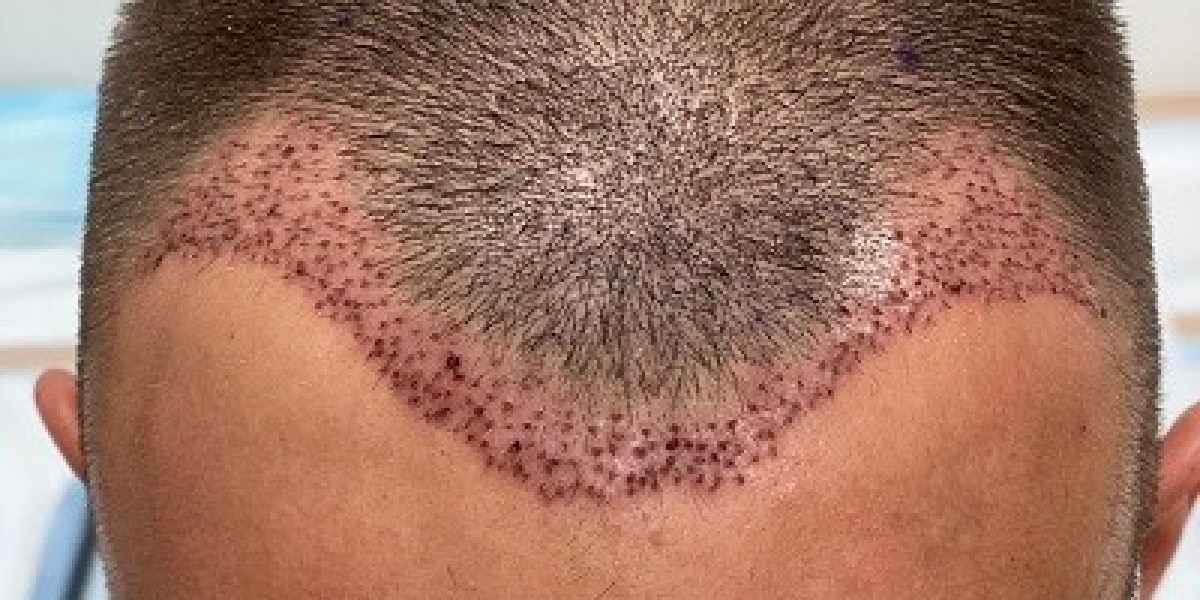

Choosing a hair restoration procedure is an important decision, especially when several techniques are available. People experiencing thinning hair, a receding hairline, or bald patches often search for a solution that can provide natural-looking and long-lasting improvement. However, there is no single technique that is ideal for every individual.
A Hair Transplant in Dubai can be customized according to the pattern of hair loss, donor hair availability, scalp condition, hair texture, lifestyle, and personal goals. Understanding the differences between common transplantation techniques can help you have a more productive consultation and make a more informed decision.
Modern hair restoration focuses on carefully moving healthy hair follicles from a donor area to areas where additional coverage is needed. The quality of planning, extraction, and implantation can all influence the final appearance.
What Is a Hair Transplant?
A hair transplant is a surgical procedure designed to restore hair in areas affected by permanent hair loss. Hair follicles are generally taken from a donor region, commonly toward the back or sides of the scalp, and transferred to areas experiencing thinning or baldness.
The transplanted follicles can continue to produce hair after they establish themselves. Because the process uses the individual's own hair, the restored growth can blend naturally with surrounding hair when appropriately planned.
Why Technique Selection Matters
Different techniques use different approaches to harvesting and implanting follicles. The right option depends on the individual's characteristics rather than simply choosing the most widely advertised method.
Important considerations can include:
- Extent and pattern of hair loss
- Donor hair density
- Hair thickness and texture
- Desired restoration area
- Preferred hairstyle
- Scalp condition
- Number of follicles required
- Long-term hair-loss expectations
A professional assessment is therefore an important starting point.
Understanding FUE Hair Transplantation
Follicular Unit Extraction, commonly known as FUE, involves extracting individual follicular units from the donor area.
Instead of removing a continuous strip of scalp, follicles are harvested separately. The collected grafts are then prepared and placed into recipient areas.
Potential Advantages of FUE
FUE can be attractive to people who prefer shorter hairstyles because it does not create one long linear scar. The small extraction sites are distributed across the donor region and can become less noticeable as healing progresses.
The technique also allows individual follicles to be selected and strategically placed.
Who May Consider FUE?
People with sufficient donor density and suitable hair characteristics may be candidates for FUE. However, suitability should always be determined through individual assessment.
Understanding DHI Hair Transplantation
Direct Hair Implantation, or DHI, is an implantation approach in which prepared follicular units are placed using a specialized implantation instrument.
This method allows the follicles to be inserted individually into the recipient area while considering their angle, direction, and placement.
Potential Benefits of DHI
One of the main attractions of DHI is the level of control available during implantation. Precise placement can be particularly important around visible areas such as the frontal hairline.
However, DHI is not automatically better than every other technique. The most appropriate method depends on the patient's specific needs.
What About FUT?
Follicular Unit Transplantation, or FUT, uses a different harvesting method. A strip of scalp containing hair follicles is removed from the donor region, and individual follicular units are subsequently separated for transplantation.
FUT can provide a significant number of grafts in selected situations, but it leaves a linear donor scar.
The technique may still be considered for certain patients after evaluation.
FUE vs DHI vs FUT
FUE
FUE may be suitable when individual follicle extraction and discreet donor-area healing are priorities.
DHI
DHI may be useful when precise implantation and control over follicle positioning are important.
FUT
FUT may be considered when a strip-based harvesting approach is appropriate and the patient understands the possibility of a linear scar.
Rather than choosing based only on popularity, patients should consider which method aligns with their donor supply, hair-loss pattern, and restoration goals.
The Importance of Hairline Design
Technique is only one part of successful hair restoration. Hairline design is equally important.
An attractive hairline should generally look natural rather than perfectly straight. The design may consider facial proportions, age, existing hair density, and possible future hair loss.
Fine grafts can be strategically positioned toward the front to create a softer transition, while thicker grafts may be placed behind the frontal region to improve density.
Donor Hair Availability
Donor hair is limited. This means that transplantation should be planned carefully rather than focusing only on the number of grafts.
Using too many follicles in one area may reduce options for future restoration. A thoughtful treatment plan considers both current hair loss and the possibility of future thinning.
What Happens During Recovery?
Recovery varies from person to person and depends on the technique and extent of treatment.
Temporary effects can include:
- Redness
- Mild swelling
- Scalp sensitivity
- Small crusts
- Temporary tightness or discomfort
Patients should follow their individualized aftercare instructions carefully.
Avoiding unnecessary touching, scratching, or pressure during early healing can help protect the transplanted area.
When Does New Hair Grow?
Hair transplantation requires patience. The transplanted hair may initially shed after treatment. This can occur as follicles adjust to their new environment and enter another growth cycle.
New growth develops gradually. The initial hairs may be fine before becoming thicker and more mature.
For this reason, the appearance immediately after treatment should not be considered the final result.
Can Transplanted Hair Fall Out Again?
Transplanted follicles are selected from areas that may be more resistant to the hormonal influences associated with common pattern hair loss. However, existing untreated hair can continue to thin.
This is why long-term planning is important. Maintaining the surrounding hair can help preserve a balanced appearance.
How to Prepare for a Hair Transplant
Before treatment, discuss your medical history, medications, supplements, allergies, and previous scalp treatments during consultation.
You should also understand:
- Which technique is being recommended
- How many grafts may be needed
- Which areas will be treated
- What recovery may involve
- When normal activities can resume
- How future hair loss may be managed
- What results are realistically achievable
Clear communication before treatment can make the entire experience easier.
Why Personalized Treatment Is Important
Hair restoration should never be approached as a one-size-fits-all procedure. Two people with similar levels of hair loss may require completely different treatment plans.
For example, one person may primarily need frontal restoration, while another may need density around the crown. Hair texture can also influence the visual result.
A personalized plan can help use available donor follicles efficiently while creating a natural transition between transplanted and existing hair.
Conclusion
Choosing the right technique is one of the most important steps when considering a hair transplant in Dubai. FUE, DHI, and FUT each have different characteristics, advantages, and considerations. The ideal approach depends on your hair-loss pattern, donor supply, scalp condition, hair characteristics, lifestyle, and long-term restoration goals.
Rather than choosing a procedure based solely on its popularity, focus on individualized assessment, natural hairline planning, careful donor management, realistic expectations, and proper aftercare. Tajmeels Clinic can help individuals explore suitable hair restoration options and understand which approach may best match their needs.