
Hidden water leaks create serious problems for homeowners across Suffolk and Kent every year. What often begins as a small unnoticed leak can quickly develop into major structural damage, mould growth, expensive repairs, and rising utility bills.
Many leaks remain hidden beneath floors, inside walls, underground, or within heating systems for weeks or even months before visible signs appear. By the time homeowners notice the issue, the damage may already affect multiple parts of the property.
Older homes, changing weather conditions, and ageing plumbing systems make properties throughout Suffolk and Kent especially vulnerable to hidden leaks.
Understanding the warning signs and acting early helps homeowners protect both their property and long-term repair budgets.
Why Hidden Water Leaks Are So Common
Modern homes contain extensive plumbing systems hidden behind surfaces and beneath flooring. Because most pipework stays out of sight, small leaks often remain unnoticed for long periods.
Several factors increase leak risks in Suffolk and Kent homes.
Ageing Plumbing Systems
Many properties across Suffolk and Kent contain older pipework that naturally deteriorates over time.
Corrosion, worn joints, and weakened fittings commonly lead to hidden water leaks.
Seasonal Weather Changes
Cold winter temperatures place additional stress on pipes and heating systems.
Pipe expansion and contraction caused by temperature changes may eventually create fractures or weak joints.
Ground Movement
Natural ground movement sometimes affects underground water mains and buried pipework.
Small shifts beneath the property can place pressure on plumbing systems and create hidden leaks.
Central Heating System Wear
Heating pipes often run beneath floors or inside walls. Continuous heating cycles gradually weaken pipe joints and seals.
Heating system leaks remain one of the most common hidden plumbing problems found in residential properties.
Common Signs of a Hidden Water Leak
Most hidden leaks provide early warning signs before serious damage develops.
Recognising these symptoms quickly can help homeowners avoid major repairs later.
Rising Water Bills
A sudden increase in water usage often indicates hidden water loss somewhere within the property.
Even small leaks waste significant amounts of water over time.
Boiler Pressure Keeps Dropping
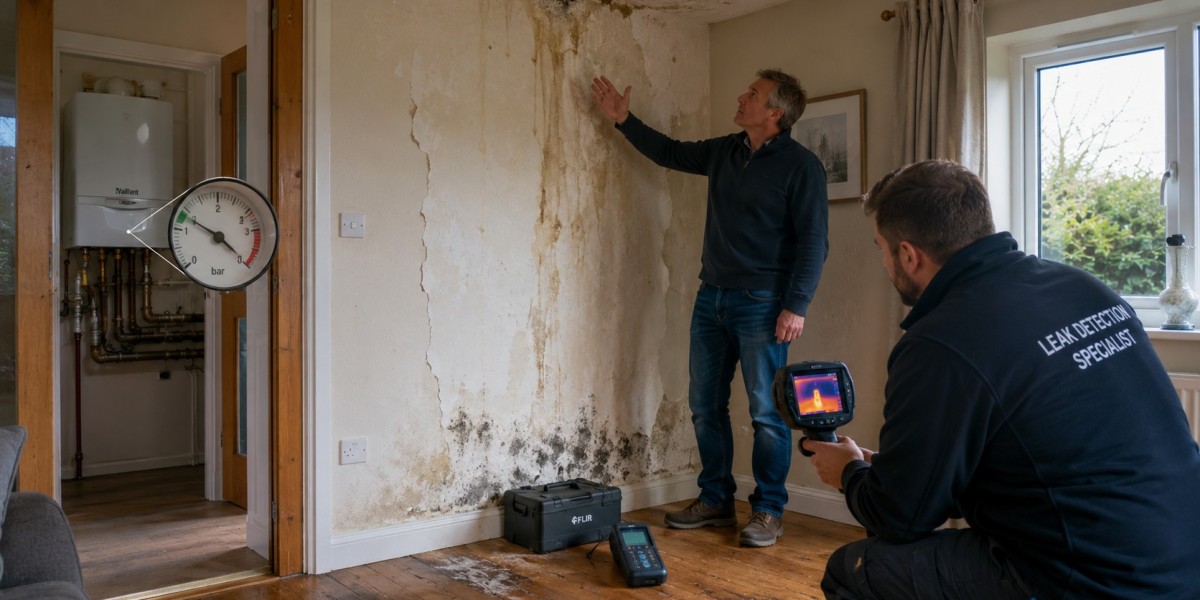
Repeated boiler pressure loss commonly points to a hidden heating system leak.
Many homeowners regularly repressurise the system without realising a concealed leak exists.
Damp Smells
Persistent musty odours usually suggest trapped moisture hidden behind walls or beneath flooring.
Damp Patches or Stains
Water leaks often create visible signs such as:
- Ceiling stains
- Bubbling paint
- Peeling wallpaper
- Soft plaster
- Discoloured walls
Warm Spots on Floors
Leaks from heating pipes beneath floors sometimes create unusual warm areas.
Mould Growth
Mould commonly develops in damp environments created by hidden leaks.
If mould repeatedly returns after cleaning, moisture may still exist behind surfaces.
Why Hidden Leaks Cause Expensive Property Damage
Many homeowners delay investigation because the damage initially appears minor.
Unfortunately, water continuously spreads through building materials and affects surrounding areas over time.
Even small leaks may eventually cause:
- Rotting timber
- Damaged flooring
- Ceiling collapse
- Structural weakening
- Wet insulation
- Electrical hazards
- Extensive mould growth
The longer a leak remains untreated, the greater the repair costs become.
Early leak detection often prevents thousands of pounds in future property repairs.
How Hidden Heating Leaks Affect Homes
Heating system leaks are especially common in Suffolk and Kent homes.
Central heating pipework often runs beneath concrete floors, wooden flooring, or inside walls where leaks stay hidden.
Heating leaks may cause:
- Higher energy bills
- Reduced heating efficiency
- Cold radiators
- Boiler pressure loss
- Damp flooring
Because the heating system loses water continuously, the boiler works harder to maintain temperature and pressure levels.
This increases both energy usage and long-term wear on the system.
Why DIY Leak Detection Often Fails
Many homeowners attempt to locate hidden leaks by lifting flooring or opening walls themselves.
Unfortunately, water often travels away from the original leak source, making visual diagnosis unreliable.
Guessing where the leak exists can create unnecessary damage and increase repair costs.
Professional leak detection specialists use advanced technology designed specifically for hidden plumbing investigations.
This approach helps identify leaks accurately while minimising disruption to the property.
Modern Technology Used for Leak Detection
Professional leak detection companies now use several non-invasive techniques to locate concealed leaks.
Thermal Imaging
Infrared cameras detect temperature differences caused by hidden moisture or heating leaks.
Acoustic Leak Detection
Sensitive listening devices trace the sound frequencies created by escaping water.
Tracer Gas Detection
Tracer gas safely enters the pipe system and escapes through the leak point, helping specialists locate difficult hidden leaks.
Moisture Mapping
Moisture meters identify abnormal damp levels hidden beneath surfaces.
These methods help engineers locate leaks quickly without unnecessary excavation or property damage.
Homeowners can learn more about specialist services available from Vortex Leak Detection.
Why Fast Leak Detection Saves Money
Small leaks rarely stay small for long.
Fast professional investigation helps homeowners avoid:
- Major structural repairs
- Expensive flooring replacement
- Large mould treatment costs
- Boiler damage
- Electrical risks
- High water bills
Professional leak detection usually costs far less than repairing widespread property damage later.
Early action always reduces long-term repair expenses.
Why Leak Detection Is Important in Suffolk and Kent
Homes across Suffolk and Kent often face increased plumbing risks due to older infrastructure, changing weather conditions, and hidden underground pipe systems.
Rural properties may also contain older water mains and ageing heating systems more vulnerable to concealed leaks.
Fast specialist investigation helps homeowners protect property value and reduce disruption.
Vortex Leak Detection provides professional non-invasive leak detection services designed to accurately locate hidden leaks while minimising damage to the property.
Choosing the Right Leak Detection Specialist
Not every plumber specialises in hidden leak investigations.
Homeowners should choose professionals with:
- Specialist leak detection experience
- Advanced detection technology
- Heating system expertise
- Insurance reporting support
- Strong customer reviews
Accurate diagnosis helps reduce unnecessary repair work and speeds up the overall repair process.
Final Thoughts
Hidden water leaks create serious problems for homeowners throughout Suffolk and Kent.
What begins as a small unnoticed issue can eventually lead to major structural damage, mould growth, high energy bills, and expensive repair costs.
Recognising the warning signs early and arranging professional leak detection quickly helps prevent long-term property damage.
Modern non-invasive leak detection technology now allows specialists to locate concealed leaks accurately with minimal disruption to the home.
Fast action always protects both the property and the homeowner’s budget.
FAQs
1. What are the first signs of a hidden water leak?
Common signs include rising water bills, damp smells, mould growth, boiler pressure loss, and damp patches on walls or ceilings.
2. Can hidden leaks damage the structure of a property?
Yes. Long-term moisture exposure may weaken timber, flooring, plaster, and structural materials.
3. Why do heating system leaks cause higher energy bills?
Leaks reduce system efficiency and force the boiler to work harder to maintain heating performance.
4. How do professionals locate hidden leaks?
Leak detection specialists use thermal imaging, acoustic listening equipment, tracer gas technology, and moisture mapping tools.
5. Why should hidden leaks be repaired quickly?
Early repairs help prevent structural damage, mould growth, expensive repair costs, and long-term moisture problems.