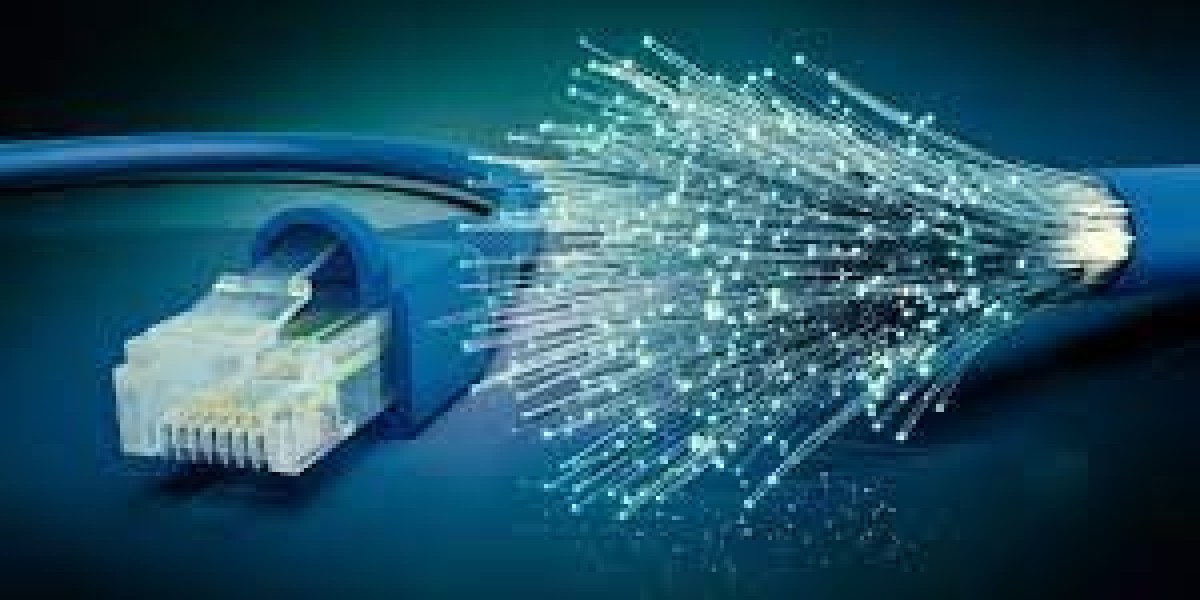

In today’s connected world, a fast and reliable internet connection has become essential for modern households. From remote work and online learning to streaming entertainment and smart home devices, families rely on stable connectivity throughout the day. Fibre to the Home (FTTH) services provide a high-performance internet solution by delivering fibre-optic connectivity directly to a residence.
Unlike traditional broadband technologies that may rely on copper wiring for part of the connection, FTTH uses fibre-optic cables to provide fast and dependable internet access. Here are some of the top benefits of choosing fibre to the home services for modern homes.
1. Faster Internet Speeds
One of the biggest advantages of FTTH is its ability to deliver high-speed internet. Fibre-optic technology can support very fast download and upload speeds, making it suitable for households with demanding online activities.
Users can download large files, stream high-quality videos, participate in video conferences, and browse the web with less waiting time. Multiple family members can also use the internet simultaneously without experiencing the same level of congestion associated with some older connection technologies.
2. Reliable Connectivity
Internet reliability is particularly important for people who work or study from home. Unstable connections can interrupt video meetings, online classes, file transfers, and other important activities.
FTTH provides a direct fibre connection to the home, helping deliver consistent performance. This makes fibre internet a practical option for households that need dependable connectivity throughout the day.
3. Excellent Upload Performance
Many traditional internet services focus heavily on download speeds, while modern households increasingly need strong upload performance as well.
FTTH can provide high upload speeds, which are useful for uploading large files, backing up photos and videos to cloud storage, hosting online meetings, sharing content, and working with cloud-based applications.
For remote workers, content creators, freelancers, and students, faster uploads can make everyday online tasks considerably more convenient.
4. Better Support for Multiple Devices
Modern homes may have dozens of connected devices, including smartphones, laptops, tablets, televisions, gaming consoles, security cameras, smart speakers, and other connected appliances.
A fibre connection can provide the bandwidth needed to support many of these devices at the same time. This is particularly beneficial for larger households where several people regularly use the internet for different purposes.
5. Improved Streaming Experience
Streaming services have become a major part of home entertainment. Families may simultaneously watch movies, stream live events, listen to music, or access high-resolution video content.
The high bandwidth offered by fibre internet can support demanding streaming activities while helping reduce buffering and interruptions when the network and service plan are properly configured.
6. Ideal for Remote Work
Remote and hybrid work have increased the importance of dependable home internet. Employees may need to attend video conferences, access company systems, transfer documents, and use cloud applications throughout the working day.
A reliable FTTH connection can help create a more stable environment for these activities. Strong upload and download performance is especially valuable for professionals who regularly exchange large files or participate in high-quality video calls.
7. Better Online Learning
Students increasingly depend on internet connectivity for virtual classrooms, educational platforms, research, and collaboration.
FTTH can support simultaneous educational activities without requiring the entire household to stop using the internet. This makes it a useful solution for families with children attending online classes or completing digital coursework.
8. Lower Latency for Interactive Applications
Latency refers to the delay between sending and receiving data over a network. Lower latency can be important for activities that require quick responses, such as online gaming, video conferencing, and interactive applications.
Fibre networks can provide low-latency connectivity, helping create a more responsive online experience when the complete network path supports low latency.
9. Strong Foundation for Smart Homes
Smart home technology continues to expand. Connected thermostats, cameras, lighting systems, appliances, doorbells, and security devices all depend on reliable internet connectivity.
As the number of connected devices grows, having a high-capacity internet connection can help households manage their smart technologies more effectively.
10. Suitable for Growing Internet Demands
Internet usage is unlikely to decrease as more services move online. Higher-resolution video, cloud computing, connected devices, virtual collaboration, and emerging digital technologies can increase household bandwidth requirements.
Choosing FTTH can provide a strong connectivity foundation for future needs. Instead of relying on an older connection that may struggle with increasing demand, homeowners can benefit from fibre infrastructure designed for high-speed data transmission.
11. Consistent Performance
Fibre-optic connections are less susceptible to certain forms of interference that can affect traditional copper-based connections. This can contribute to consistent network performance, particularly when fibre is delivered directly to the premises.
However, actual performance still depends on factors such as the service plan, provider network, home equipment, Wi-Fi configuration, and overall network conditions.
12. Increased Convenience for the Whole Household
Perhaps the most noticeable benefit of FTTH is convenience. Family members can work, study, stream entertainment, play games, communicate online, and use connected devices without constantly competing for limited bandwidth.
A fast home connection can make everyday digital activities smoother and reduce frustration caused by slow downloads, buffering, or unreliable connectivity.
Choosing the Right Fibre to the Home Service
When comparing fibre internet providers, homeowners should consider more than advertised download speeds. It is important to evaluate upload speeds, data allowances, contract terms, installation requirements, customer support, equipment options, and availability in the local area.
The right plan should match the household’s actual internet usage. A small household with basic browsing needs may require less bandwidth than a large family with multiple remote workers, gamers, streamers, and smart devices.
Conclusion
Fibre to the Home services offer modern households a fast, reliable, and scalable internet connection. From improved streaming and remote work to online learning, gaming, and smart home applications, fibre technology can support a wide range of digital activities.
As households become increasingly dependent on connected technology, choosing a suitable FTTH service can provide the speed, reliability, and capacity needed to meet both current and future internet demands.