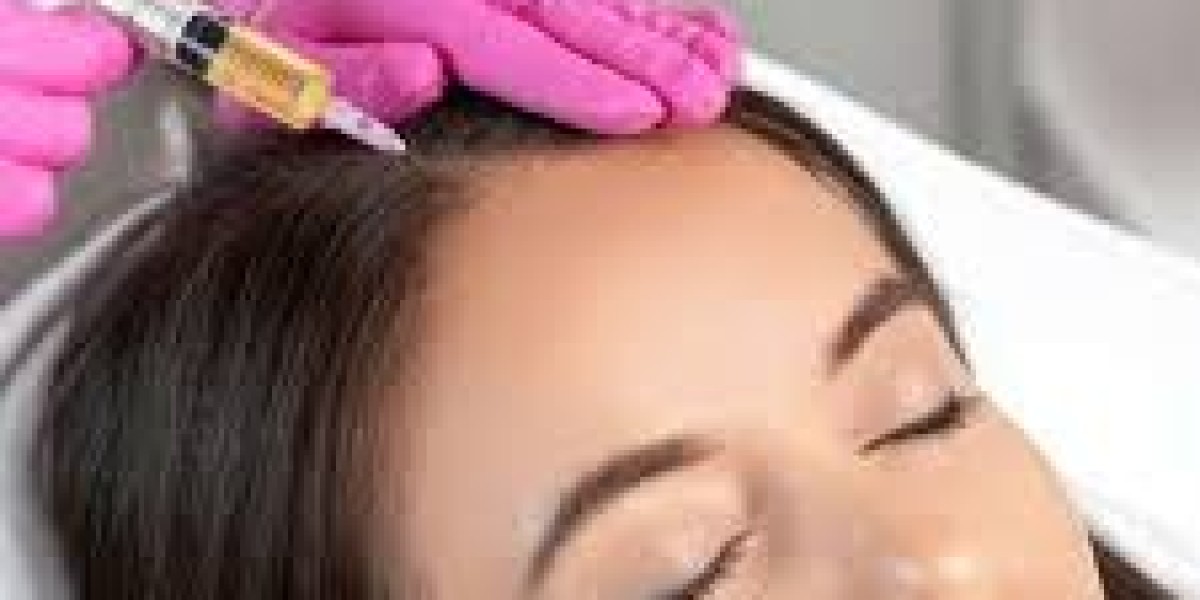

Hair thinning can happen gradually, making it difficult to notice the changes until hair begins to look noticeably less dense. For many people, seeing more hair on a pillow, brush, or shower drain can raise concerns about ongoing hair loss. Fortunately, modern hair restoration has introduced several options designed to support existing hair follicles without immediately turning to surgery.
One of these options is PRP hair treatment in Abu Dhabi. PRP, or platelet-rich plasma therapy, uses a concentrated portion of the patient's own blood to support the scalp and hair follicles. The procedure is minimally invasive and is often explored by people experiencing early or moderate hair thinning.
Understanding how PRP works, what happens during treatment, and what results may realistically be expected can help you make a more informed decision about your hair restoration journey.
What Is PRP Hair Treatment?
PRP stands for platelet-rich plasma. Platelets are naturally found in the blood and play an important role in the body's normal healing response.
During a PRP hair treatment session, a small blood sample is collected and processed to separate the platelet-rich plasma. This concentrated plasma contains various growth factors and biological components. It is then introduced into selected areas of the scalp.
The purpose is to create a supportive environment around existing hair follicles. Rather than physically transplanting hair, PRP focuses on helping existing follicles maintain healthier activity.
Because the treatment uses components obtained from the patient's own blood, it is considered an autologous procedure.
How Does PRP Work for Hair?
Hair follicles go through different stages during the natural hair-growth cycle. Factors such as genetics, hormones, age, stress, nutrition, and certain medical conditions can affect this cycle.
When follicles become weaker or produce thinner strands, PRP may be used to support the surrounding scalp environment. The growth factors within platelet-rich plasma are thought to play a role in tissue repair and cellular activity.
The objective is to encourage stronger-looking hair from follicles that are still active.
It is important to understand that PRP does not create new hair follicles. It is generally more suitable for areas where follicles remain present but hair has become thinner or weaker.
What Happens During PRP Hair Treatment in Abu Dhabi?
A typical session begins with a consultation and scalp assessment. The hair-loss pattern, density, medical history, and treatment goals may be reviewed before a treatment plan is developed.
The actual procedure generally involves several steps.
Step 1: Blood Collection
A small amount of blood is taken from the patient, similar to a routine blood sample.
Step 2: PRP Preparation
The blood is processed using a specialized separation technique. This allows the platelet-rich portion of the sample to be isolated.
Step 3: Scalp Preparation
The targeted scalp areas are cleaned and prepared for treatment.
Step 4: PRP Application
The prepared platelet-rich plasma is introduced into selected areas of the scalp using multiple small injections.
Step 5: Post-Treatment Guidance
After the procedure, the patient receives instructions regarding scalp care, activities, and any temporary precautions.
The treatment is generally performed without the need for an overnight hospital stay.
Potential Benefits of PRP Hair Treatment
One of the main attractions of PRP Hair Treatment in Abu Dhabi is that it is a non-surgical approach to supporting hair restoration.
Potential benefits can include:
- Supporting existing hair follicles
- Improving the appearance of hair thickness
- Helping reduce the appearance of gradual thinning
- Supporting scalp health
- Using the patient's own biological material
- Avoiding surgical hair transplantation
- Requiring relatively little downtime
- Allowing treatment to be customized to individual needs
However, results vary from person to person. PRP should not be considered a guaranteed solution for every type of hair loss.
Who May Benefit From PRP?
PRP may be considered for adults experiencing certain forms of hair thinning where active follicles are still present.
It may be explored by people who notice:
- Gradual reduction in hair density
- Early-stage thinning
- A widening part
- Thinning around the crown
- Generalized hair shedding
- Weaker or finer-looking hair
The underlying cause of hair loss matters. Genetic hair loss, hormonal changes, nutritional problems, stress-related shedding, and scalp conditions can require different approaches.
A professional assessment is therefore an important first step.
PRP for Men and Women
Hair loss affects both men and women, although the patterns may differ.
Men commonly experience thinning around the temples, hairline, or crown. Women may experience more diffuse thinning, especially around the central part of the scalp.
PRP may be considered for both groups when the follicles remain viable.
The treatment plan should be individualized rather than based solely on gender. Hair density, age, pattern of loss, scalp health, and the suspected cause should all be considered.
How Many Sessions Are Usually Needed?
PRP hair treatment is commonly performed through a series of sessions rather than relying on one appointment.
The number and timing of sessions depend on several factors, including:
- Severity of hair thinning
- Condition of the scalp
- Hair-loss pattern
- Treatment response
- Individual goals
- Overall health
Some people may require an initial series followed by occasional maintenance sessions.
Because every person's hair-growth cycle is different, treatment schedules should be determined after an appropriate assessment.
When Should You Expect Results?
Patience is important when considering PRP Hair Treatment in Abu Dhabi.
Hair does not grow overnight. Follicles naturally move through growth, transition, and resting stages. Consequently, any improvement following PRP generally develops gradually.
Some people may notice changes in hair texture or shedding before seeing visible increases in density. More noticeable changes may take several months.
Taking consistent photographs under similar lighting can help track gradual changes that may otherwise be difficult to recognize.
Is PRP Painful?
PRP involves multiple small injections, so some temporary discomfort may occur.
Patients can experience sensations such as:
- Mild stinging
- Pressure
- Tenderness
- Temporary sensitivity
The experience varies according to individual pain tolerance and the area being treated.
Temporary redness or swelling can also occur after treatment. These effects are usually short-lived, but patients should follow their individual aftercare instructions.
What Is the Recovery Like?
One advantage of PRP is that recovery is generally much simpler than recovery from surgical hair restoration.
Most people can return to normal activities relatively quickly, although specific instructions may be provided regarding exercise, washing the scalp, hair products, and exposure to heat or irritation.
It is important not to scratch, excessively rub, or unnecessarily manipulate the treated areas immediately after the procedure.
Following professional aftercare guidance can help keep the scalp comfortable while it recovers.
Factors That Can Influence Treatment Results
PRP does not produce exactly the same outcome for every person. Several factors may influence the response.
Cause of Hair Loss
The underlying reason for hair loss can affect whether PRP is suitable and how well it may work.
Stage of Hair Loss
PRP is generally more relevant when functioning follicles remain. Long-standing areas with complete follicular loss may need other restoration options.
General Health
Nutrition, hormones, stress, sleep, and overall health can influence hair quality and growth.
Age and Genetics
Genetic factors can play an important role in hair density and the progression of hair thinning.
Treatment Plan
Following the recommended treatment schedule and attending appropriate follow-up appointments can help monitor progress.
PRP Compared With Hair Transplantation
PRP and hair transplantation have different purposes.
A hair transplant physically moves follicles from one area of the scalp to another. PRP does not involve moving hair follicles.
PRP is generally intended to support existing follicles, while transplantation is used to redistribute hair into areas where additional coverage is required.
Some people may explore PRP before considering a transplant, while others may discuss combining regenerative treatments with surgical restoration.
The most suitable option depends on the individual's hair-loss pattern and goals.
Why a Proper Consultation Matters
Hair loss is not always caused by genetics. It can sometimes be associated with nutritional deficiencies, hormonal changes, medications, illness, stress, or scalp conditions.
For this reason, selecting a treatment without understanding the cause may lead to disappointing results.
During a consultation, relevant factors can be reviewed to determine whether PRP is appropriate. A personalized assessment can also help establish realistic expectations.
When exploring PRP Hair Treatment in Abu Dhabi, Tajmeels Clinic can be considered as an option for individuals seeking a structured approach to hair restoration.
Questions to Consider Before Treatment
Before beginning PRP, it can be helpful to ask:
Is PRP Suitable for My Type of Hair Loss?
Not all forms of hair loss respond in the same way. Understanding the underlying cause is important.
How Many Sessions Might I Need?
The treatment schedule can vary depending on the condition of your hair and scalp.
When Might I See Changes?
Hair growth is gradual, so visible improvements generally require patience and monitoring.
What Should I Do After Treatment?
Ask about washing, exercise, hair products, sun exposure, and other post-treatment considerations.
Are There Other Options?
Depending on the cause and severity of hair loss, other medical or surgical approaches may be available.
How to Prepare for Your PRP Journey
Preparation begins with an honest discussion about your expectations.
Bring information about previous hair-loss treatments, medications, supplements, allergies, and relevant medical history to your consultation. This information can help the healthcare professional understand your individual situation.
It is also useful to understand that PRP is a process rather than an instant transformation. Setting realistic goals can make the experience more satisfying.
Conclusion
PRP Hair Treatment in Abu Dhabi is a minimally invasive hair restoration option designed to support existing hair follicles using platelet-rich plasma derived from the patient's own blood. It may be particularly interesting for individuals experiencing gradual thinning while viable follicles remain.
The treatment involves blood collection, PRP preparation, scalp application, and appropriate aftercare. Results develop gradually and can vary depending on the cause and severity of hair loss, follicle condition, genetics, overall health, and individual response.
For anyone considering PRP, a personalized evaluation is essential. Tajmeels clinic can be considered when researching PRP Hair Treatment in Abu Dhabi and looking for an individualized approach to improving the appearance and health of thinning hair.