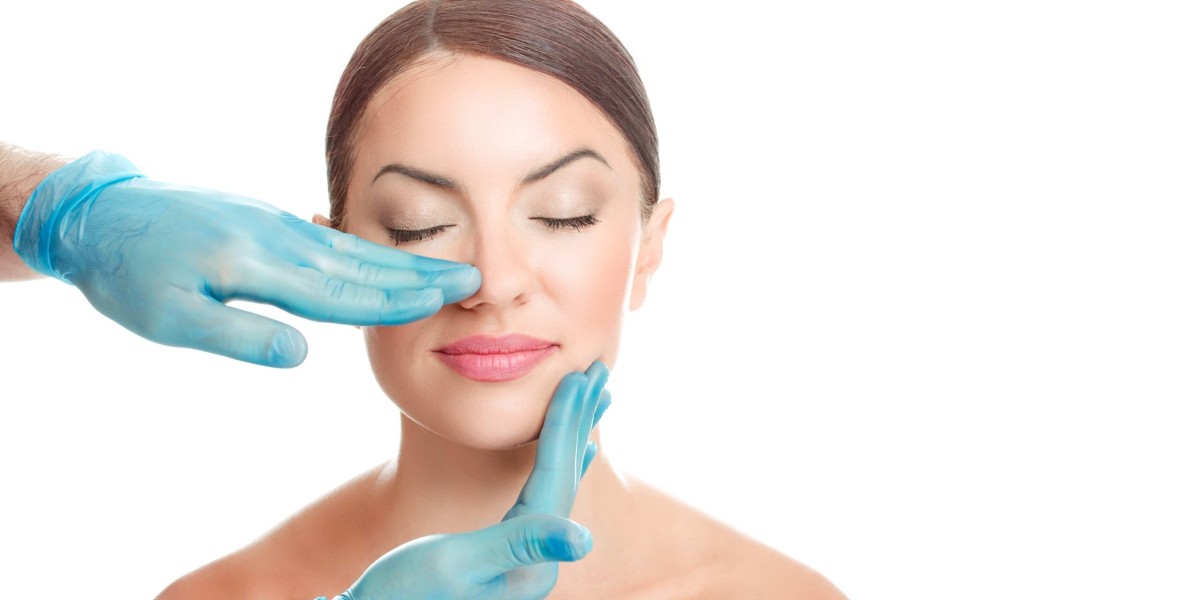

Rhinoplasty is a popular cosmetic procedure designed to reshape the nose and improve its balance with the rest of the face. While the surgery can create noticeable and long-lasting changes, the final outcome is influenced by several factors. Understanding these factors can help patients develop realistic expectations and prepare properly for the healing process. Rhinoplasty in Islamabad should always begin with an informed consultation where your nasal structure, aesthetic goals, and overall health are carefully assessed.
Your Natural Nasal Anatomy
Every nose has a different combination of bone, cartilage, skin thickness, and soft tissue. These natural characteristics can influence how much reshaping is possible and how the nose heals after surgery.
For example, thicker skin may take longer to reveal subtle definition, particularly around the nasal tip. Existing asymmetry, cartilage strength, nasal structure, and facial proportions can also affect the final appearance. Because anatomy varies from person to person, the same surgical technique cannot produce identical results in every patient.
The Surgical Technique
The technique selected for rhinoplasty can also influence recovery and the appearance of the final result. Depending on the patient's anatomy and goals, a surgeon may recommend an open or closed approach.
Open rhinoplasty provides greater visibility of the underlying nasal structures and may be useful for more complex reshaping. Closed rhinoplasty uses incisions inside the nostrils and may be appropriate for certain less extensive corrections. The most suitable approach depends on the changes required and the individual patient's anatomy.
Realistic Expectations
Having realistic expectations is one of the most important aspects of rhinoplasty. The objective is generally to improve nasal proportions and facial harmony rather than create a completely different or mathematically perfect nose.
Patients who understand what surgery can realistically achieve are more likely to feel satisfied with their outcome. Photographs from social media or expectations based on another person's nose may not be appropriate comparisons because facial anatomy differs significantly between individuals.
Healing and Swelling
Healing is a major factor in determining how the final result develops. Initial bruising and swelling usually improve within the first few weeks, but residual swelling can continue for months. The nasal tip can remain swollen longer than other areas, meaning the nose may look different at different stages of recovery.
The final contour may take around a year or longer to fully refine in some patients. Therefore, judging the result too early can create unnecessary concern. Patience and regular follow-up are important during this period.
Following Post-Operative Instructions
How carefully you follow aftercare instructions can also influence healing. Patients are generally advised to protect the nose from accidental trauma, avoid strenuous activities until cleared, and attend scheduled follow-up appointments.
Activities that put pressure on or expose the healing nose to injury may interfere with recovery. Your surgeon may provide specific instructions regarding exercise, sleeping position, medications, and other daily activities based on the procedure performed.
Smoking and Lifestyle Habits
Smoking can negatively affect wound healing, so patients may be advised to stop smoking before and after rhinoplasty. Your healthcare provider can explain how long smoking and nicotine products should be avoided based on your individual circumstances.
A healthy lifestyle can also support the recovery process. Adequate nutrition, hydration, appropriate rest, and following medical advice can help your body recover after surgery.
Sun Exposure and Nasal Protection
Protecting your nose from excessive sun exposure is another consideration during healing. Prolonged sun exposure can affect healing skin and may contribute to unwanted changes in the appearance of scars or irritated tissues.
Using appropriate sun protection and following your surgeon's recommendations about outdoor activities can help protect the healing area. Long-term sun protection may also help maintain the appearance of your results.
Choosing an Experienced Surgeon
The planning and execution of rhinoplasty have a significant role in the outcome. A qualified surgeon should evaluate your nasal structure, discuss achievable changes, explain potential risks, and develop a treatment plan suited to your anatomy.
Reviewing genuine before-and-after photographs and discussing your goals during consultation can help you understand what may realistically be achieved. No surgical procedure can guarantee perfect symmetry or a specific appearance, so an individualized approach is important.
FAQs
How long does it take to see the final rhinoplasty results?
Initial changes can be visible after surgery, but swelling gradually decreases over time. The nose may continue refining for up to a year or longer, depending on individual healing and the complexity of the procedure.
Can thick skin affect rhinoplasty results?
Yes. Skin thickness can influence how clearly underlying structural changes become visible and may contribute to a longer period of swelling, particularly around the nasal tip.
Can I exercise after rhinoplasty?
Patients generally need to avoid strenuous exercise during the early healing period. Your surgeon will advise when you can gradually return to different activities based on your recovery.
Does smoking affect rhinoplasty recovery?
Smoking can interfere with normal wound healing. Patients should discuss smoking and nicotine use with their healthcare provider and follow specific instructions about stopping before and after surgery.
Can rhinoplasty guarantee a perfectly symmetrical nose?
No. Rhinoplasty aims to improve shape, proportion, and balance, but perfect symmetry cannot be guaranteed. Individual anatomy and healing also influence the final appearance.
Final Thoughts
Rhinoplasty results depend on more than the surgical procedure itself. Natural anatomy, surgical technique, skin characteristics, expectations, healing, lifestyle habits, aftercare, and protection of the nose can all influence the final appearance. Patients considering Rhinoplasty in Islamabad should take time to understand the procedure, discuss realistic goals with a qualified healthcare professional, and follow post-operative guidance carefully. With appropriate planning and patience, patients can work toward a natural-looking result that complements their overall facial features.