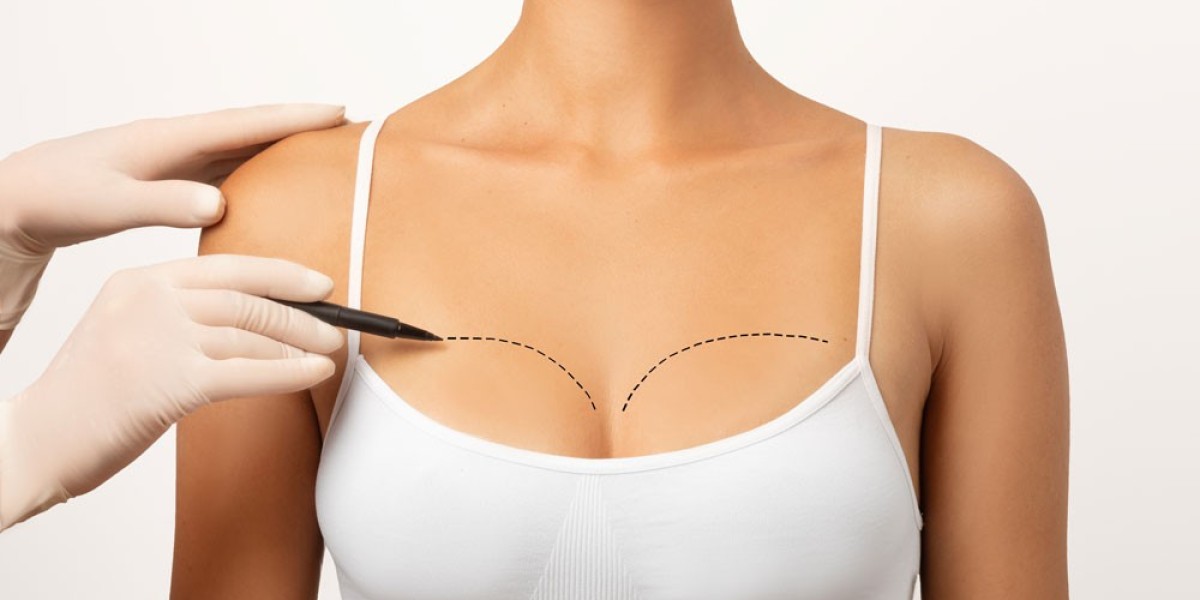

Breast augmentation is a personalized cosmetic procedure designed to enhance breast size, shape, and overall proportions. While many people associate the treatment mainly with choosing an implant size, the actual treatment plan involves several medical, anatomical, and personal considerations. If you are considering Breast Augmentation in Islamabad, understanding these factors can help you have a more informed discussion during your consultation.
The FDA notes that breast implant decisions should consider factors such as implant type, size, shape, placement, incision location, personal expectations, and the patient’s existing breast tissue.
Your Breast Size and Shape
Your natural breast size and shape are important when developing an augmentation plan. Breast width, tissue thickness, chest proportions, nipple position, and existing asymmetry can all influence the recommended approach.
Some patients may want increased volume, while others may primarily want improved fullness or better proportion. A treatment plan should therefore be based on your individual anatomy rather than simply selecting a particular cup size.
Your Desired Results
Your personal aesthetic goals are another major factor. Some patients prefer a subtle and natural appearance, while others may want a more noticeable enhancement.
During consultation, you can discuss your preferred size, projection, upper-breast fullness, and overall appearance. Your surgeon can then explain which options may realistically achieve those goals while considering your existing tissue and body proportions.
Having realistic expectations is an important part of treatment planning. Choosing an implant that is too large for the available breast tissue may increase the likelihood of visible implant edges or other cosmetic concerns.
Implant Type, Size, and Shape
Breast implants are available in different sizes, shapes, and materials. FDA-approved breast implants include saline-filled and silicone gel-filled options, with differences in their characteristics and designs.
The choice depends on factors such as your anatomy, desired appearance, available tissue coverage, and personal preferences. Your surgeon should explain the advantages and potential limitations of the recommended implant rather than selecting an option based solely on size.
Implant Placement
Another important consideration is where the implant will be positioned. Depending on your anatomy and treatment goals, an implant may be placed beneath the breast tissue or partially or fully beneath the chest muscle.
The amount of natural tissue available to cover the implant can influence this decision. Your surgeon will evaluate your breast tissue and chest structure before recommending the most appropriate placement.
Breast Asymmetry or Sagging
Many women naturally have some degree of breast asymmetry. Differences in breast size, shape, nipple position, or breast fold may affect the surgical plan.
Significant sagging can also influence treatment. In some cases, augmentation alone may not provide the desired result, and a breast lift may be discussed as part of the overall treatment strategy. The appropriate approach depends on the individual’s anatomy and goals.
Your General Health and Medical History
Your overall health is an important part of surgical planning. Existing medical conditions, previous breast procedures, medications, allergies, smoking habits, and past reactions to surgery should be discussed during consultation.
Previous surgeries can also affect scar tissue and the available tissue around the breast. Providing complete medical information helps the surgical team assess whether breast augmentation is appropriate and plan the procedure safely.
Pregnancy, Breastfeeding, and Future Weight Changes
Life plans may also influence treatment timing. Pregnancy, breastfeeding, and significant changes in body weight can alter breast size and skin elasticity, potentially affecting the appearance of augmented breasts over time.
If you are planning pregnancy or major weight loss, discussing these plans during consultation can help determine appropriate timing and expectations.
Recovery and Lifestyle Considerations
Your daily routine can influence recovery planning. Work requirements, exercise habits, family responsibilities, and the ability to take time away from strenuous activities should be considered before surgery.
A personalized recovery plan can help you understand when you may gradually return to normal activities and what temporary restrictions may apply.
Understanding Risks and Long-Term Care
Breast augmentation is surgery, so understanding potential risks is essential. Possible complications include infection, pain, changes in breast or nipple sensation, capsular contracture, implant rupture, asymmetry, implant movement, and the possibility of additional surgery.
Breast implants are not considered lifetime devices, and the likelihood of complications or additional procedures can increase over time. Patients should also discuss appropriate long-term monitoring with their healthcare provider.
Frequently Asked Questions
How is breast implant size selected?
Implant size is selected according to your desired appearance, chest dimensions, existing breast tissue, skin characteristics, and overall body proportions. The largest possible implant is not necessarily the most suitable choice.
Can breast augmentation correct uneven breasts?
Breast augmentation can improve certain forms of asymmetry, but the degree of correction depends on the underlying differences in breast size, shape, and position. Additional procedures may sometimes be considered.
Is silicone or saline better for breast augmentation?
Neither option is automatically better for everyone. Both have different characteristics, and the appropriate choice depends on your anatomy, preferences, treatment goals, and discussion with your surgeon.
Will pregnancy affect breast implants?
Pregnancy can change the breast tissue, skin, and overall breast shape regardless of whether implants are present. Discussing future pregnancy plans before surgery can help establish realistic expectations.
Are breast implants permanent?
Breast implants are not lifetime devices. Some patients may eventually require additional surgery because of complications, changes in breast appearance, implant problems, or personal preferences.
Final Thoughts
A breast augmentation treatment plan should be individualized rather than based on implant size alone. Your natural anatomy, desired results, implant characteristics, placement, health history, lifestyle, and future plans can all influence the recommended approach. If you are considering Breast Augmentation in Islamabad, a detailed consultation with a qualified medical professional is an important step toward understanding your available options, expected results, risks, and long-term considerations.