
Blonde hair can look bright, soft, and sophisticated, but maintaining its original tone can be challenging. Many people notice that their blonde hair gradually becomes yellow, golden, orange, or brassy after coloring or lightening. This change is extremely common, especially with bleached, highlighted, platinum, and other chemically lightened hair.
The good news is that brassiness is usually manageable once you understand what causes it. Blonde hair can become warmer because of underlying natural pigment, fading toner, heat, sunlight, water minerals, chlorine, product buildup, and other environmental factors. Understanding these causes can help you choose the right hair-care routine and maintain a fresher-looking blonde shade.
What Does Brassy Hair Mean?
"Brassy" hair generally refers to unwanted warm tones that appear in blonde or lightened hair. Depending on the starting color and level of lightening, brassiness may appear yellow, golden, yellow-orange, coppery, or orange.
For very light blonde hair, the unwanted warmth may look pale yellow. Medium blonde shades can develop more golden or yellow-orange tones, while darker hair that has been lightened may show stronger orange warmth. Wella Professionals explains that different levels of lightened hair can reveal different underlying warm pigments.
Brassiness does not necessarily mean your hair is damaged or that your original color was done incorrectly. In many cases, it is simply part of how lightened hair changes over time.
1. Natural Underlying Pigment
One of the biggest reasons blonde hair turns yellow is the underlying pigment naturally present in the hair.
When dark or medium hair is lightened, the process removes some of the natural pigment. However, hair does not always become completely neutral immediately. Depending on how far the hair is lifted, underlying red, orange, gold, or yellow pigments can remain.
For example, hair lifted to a very light blonde may reveal a pale yellow undertone. When the cooler toner used after lightening gradually fades, that underlying warmth can become more visible.
This is why some blonde hair naturally becomes warmer between salon appointments.
2. Fading Hair Color
Another common cause of yellow and brassy tones is color fading. After blonde hair is colored or toned, the cooler pigments responsible for the desired shade can gradually become less noticeable.
Frequent washing, unsuitable hair products, heat exposure, and normal wear can contribute to faster color fading. As the cooler tone fades, the warmer underlying pigment becomes more visible.
Wella Professionals identifies fading hair color as one of the key reasons yellow tones can reappear in blonde hair.
Using products designed for color-treated hair can therefore help maintain the appearance of blonde hair for longer.
3. Excessive Sun Exposure
Sun exposure can also contribute to changes in blonde hair. Prolonged UV exposure can affect the appearance of color-treated hair and may accelerate color fading.
When the cool tones in blonde hair become less noticeable, warmer undertones may start to dominate the overall appearance. This can make blonde hair look more yellow or golden.
If you spend a lot of time outdoors, protecting your hair from excessive sun exposure can be a useful part of your color-maintenance routine. A hat or suitable hair-care product with UV protection can provide additional support.
4. Heat Styling
Frequent use of flat irons, curling irons, and high-heat blow-dryers can affect both the condition and appearance of blonde hair.
Heat styling can contribute to color fading, particularly when hair is already chemically processed. As the color changes, unwanted warm tones can become more noticeable.
Wella Professionals specifically lists heat styling among the factors that can contribute to yellowing in blonde hair.
Using a heat protectant and reducing unnecessary exposure to high temperatures can help protect your blonde shade and overall hair condition.
5. Hard Water and Mineral Buildup
The water you use to wash your hair can also play a role in brassiness. Hard water may contain minerals that accumulate on the hair over time.
Minerals such as metals in water can cling to porous hair and contribute to dullness or unwanted changes in color. This can be particularly noticeable on blonde or highly processed hair because light colors tend to show changes more clearly.
If your blonde hair becomes brassy unusually quickly despite following a good color-care routine, water quality may be worth considering. Wella Professionals notes that metals and pollutants in water can cling to porous hair and disrupt the appearance of color.
6. Chlorine From Swimming Pools
Regular swimming can also affect blonde hair. Chlorinated pool water may contribute to dryness and changes in the appearance of colored hair.
Repeated exposure can make color maintenance more difficult, particularly when blonde hair is already porous from bleaching or other chemical treatments.
Wella Professionals recommends saturating hair with clean water before swimming because this can reduce how much chlorinated water the strands absorb. Using a swim cap can provide even more protection.
Rinsing your hair thoroughly after swimming can also help remove residues.
7. Product Buildup
Hair-care and styling products can accumulate on the hair when they are not thoroughly removed. Heavy conditioners, oils, styling creams, sprays, and other products may contribute to buildup.
On blonde hair, buildup can make the color appear dull, cloudy, or warmer. Wella Professionals notes that styling-product buildup can contribute to unwanted yellowing and recommends ensuring that buildup is effectively cleansed.
If buildup is suspected, an appropriate clarifying or cleansing routine may help. However, over-clarifying can also leave chemically processed hair feeling dry, so balance is important.
8. Frequent Washing
Washing your hair too frequently can contribute to faster fading of artificial color and toner. Each wash can gradually remove some of the cosmetic pigments responsible for maintaining a cool blonde appearance.
This does not mean you should avoid washing your hair. Instead, consider your hair type, scalp needs, lifestyle, and the recommendations for your color-care products.
Using a suitable color-safe shampoo and conditioner can help support the appearance of color-treated blonde hair.
9. Porous or Damaged Hair
Blonde hair is often chemically processed, particularly when it has been bleached or extensively highlighted. Processing can make the hair more porous, meaning it can absorb and lose moisture and cosmetic pigments differently from untreated hair.
Highly porous hair may also react more strongly to environmental factors and product buildup. This can make maintaining an even blonde tone more challenging.
A balanced routine that includes conditioning and appropriate treatments can help keep the hair looking smoother and healthier.
10. Lack of Regular Toning
Blonde hair may need periodic toning to maintain a particular cool or neutral appearance. A salon toner or color-correcting product can help counteract unwanted warmth when it starts becoming noticeable.
At home, purple shampoos are commonly used to neutralize yellow tones. Purple sits opposite yellow on the color wheel, so violet pigments can visually balance yellow warmth.
However, purple shampoo is not a permanent color treatment. Its effect is temporary, which means consistent but appropriate use may be necessary to maintain the desired appearance.
Purple Shampoo vs. Blue Shampoo
Choosing the right toning pigment depends on the type of brassiness you are experiencing.
Purple or violet pigments are generally used to counteract yellow tones. Blue pigments can be more suitable for orange warmth because blue sits opposite orange on the color wheel.
Therefore, someone with pale yellow blonde hair may benefit from a violet-based product, while someone experiencing stronger orange or yellow-orange warmth may prefer a blue-based formula.
How Can Anti-Yellow Shampoo Help?
Anti-yellow shampoo can provide a convenient way to manage unwanted warmth between professional color appointments. These shampoos contain color pigments that temporarily deposit onto the hair and help visually balance yellow or brassy tones.
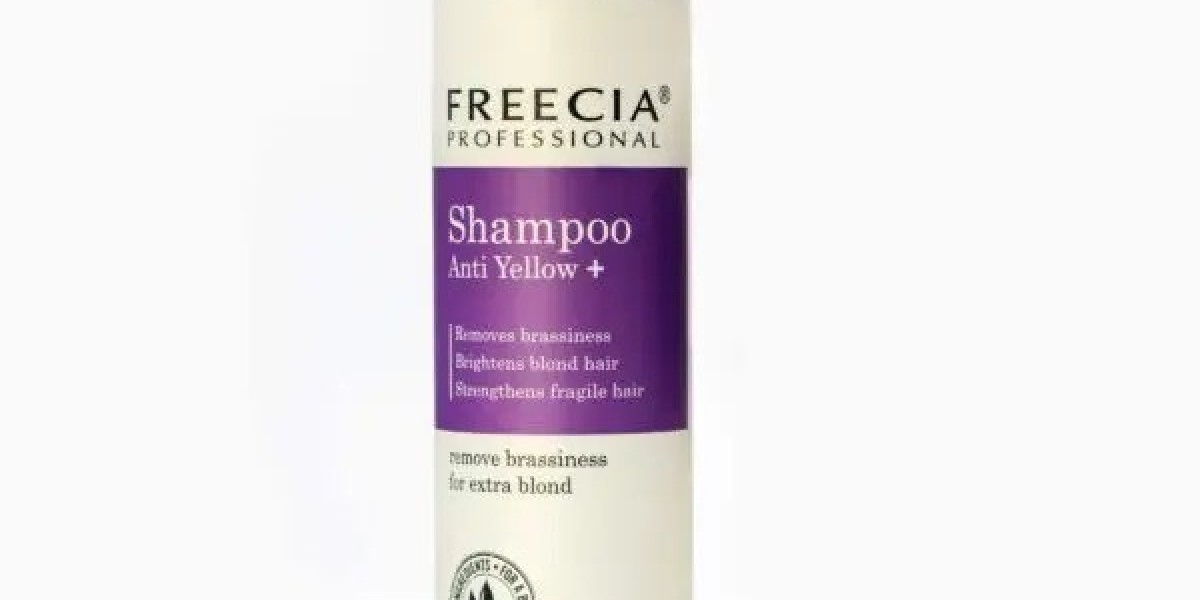
Freecia Anti-Yellow Shampoo is specifically designed for blonde, gray, and highlighted hair. Its formula contains blue color pigments intended to balance yellow and brassy tones while helping hair appear bright, smooth, and shiny.
Freecia also lists keratin, panthenol, moisturizing agents, and vitamin E among its key ingredients. According to the product directions, it can be applied to wet hair, massaged from roots to tips, left on for 3–5 minutes, and rinsed thoroughly, with use recommended 2–3 times per week.
How to Prevent Blonde Hair From Turning Brassy
Preventing brassiness requires more than just using a toning shampoo. Protect your hair from excessive heat and prolonged sunlight, take care when swimming, and use products designed for color-treated hair.
It is also helpful to maintain regular conditioning because blonde hair can become dry after chemical processing. If you suspect hard-water buildup, consider discussing suitable cleansing or mineral-removing treatments with a professional.
Most importantly, pay attention to changes in your hair. If yellow tones are mild, an appropriate toning shampoo may be enough to maintain the shade. If the hair becomes significantly orange or uneven, professional color correction may be more appropriate.
Final Thoughts
Blonde hair turns yellow and brassy for several reasons, including underlying natural pigment, fading toner, sunlight, heat styling, hard-water minerals, chlorine, product buildup, frequent washing, and hair porosity. Understanding the specific cause makes it easier to choose an effective maintenance strategy.
Color-correcting shampoos can be especially useful when unwanted warmth begins to appear. Purple pigments are commonly used for yellow tones, while blue pigments can help counteract stronger orange warmth. Freecia Anti-Yellow Shampoo uses blue color pigments to help manage yellow and brassy tones while supporting a bright and smooth-looking finish.
With consistent color care, proper conditioning, and protection from common causes of brassiness, blonde hair can maintain a fresher appearance for longer. For those seeking a targeted at-home solution, choosing the Best Anti Yellow Shampoo in Pakistan can be a useful step toward keeping blonde, highlighted, gray, or lightened hair looking bright, balanced, and vibrant.