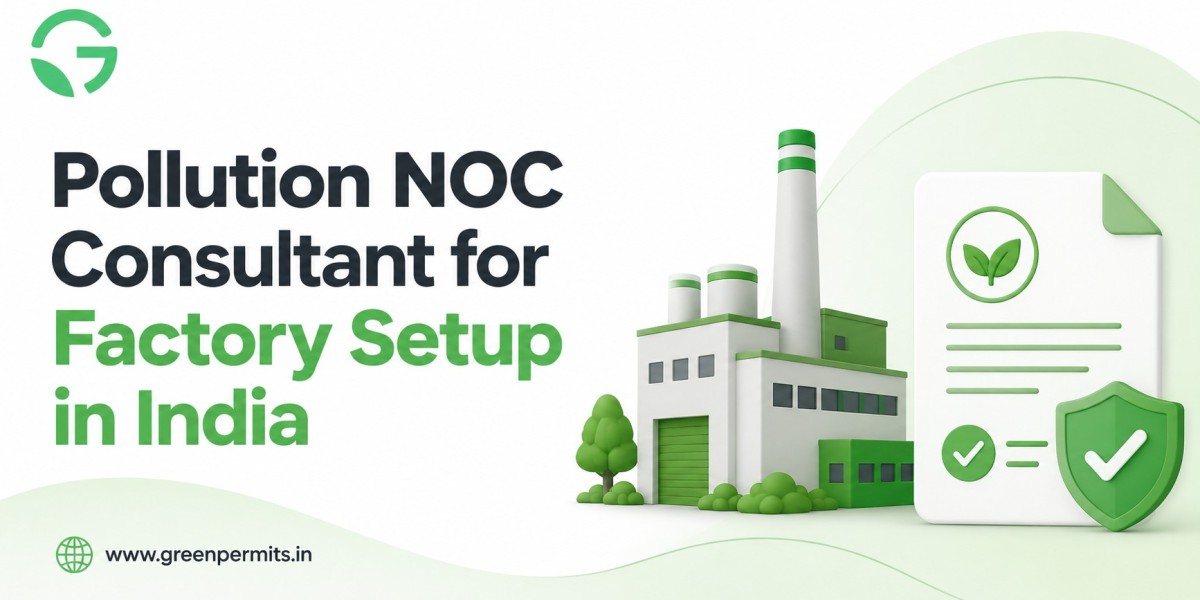

Pollution NOC Consultant for Factory Setup in India helps manufacturers, MSMEs, industrial units, processing plants, recycling facilities, chemical units, food processing businesses, engineering companies, textile units, pharmaceutical companies, metal processing units, warehouses with industrial activities, and entrepreneurs obtain pollution control approvals before establishing and operating a factory.
In India, the term Pollution NOC is commonly used for pollution control approvals such as Consent to Establish (CTE) and Consent to Operate (CTO) issued by the concerned State Pollution Control Board (SPCB) or Pollution Control Committee (PCC), depending on the location and applicability of the industrial activity.
The pollution control framework is primarily linked with the Water (Prevention and Control of Pollution) Act, 1974 and the Air (Prevention and Control of Pollution) Act, 1981. CPCB also maintains national guidance and industrial classification frameworks, while individual SPCBs and PCCs process consent applications and impose project-specific conditions.
For a new factory, pollution approval should normally be considered during the planning stage itself. Land selection, machinery capacity, production process, water consumption, wastewater generation, boilers, DG sets, furnaces, air emissions, hazardous waste, solid waste, storage areas, and pollution control equipment can all affect the consent application.
A Pollution NOC Consultant helps businesses assess applicability, identify the correct pollution category, prepare technical documentation, file CTE and CTO applications, respond to SPCB queries, coordinate pollution control requirements, and maintain compliance after the factory starts operating.
What is Pollution NOC for Factory Setup?
Pollution NOC is a commonly used business term for approvals required from the concerned Pollution Control Board before establishment and operation of certain industrial activities.
For most applicable factory projects, the approval process broadly involves:
- Consent to Establish (CTE)
- Consent to Operate (CTO)
- Consent renewal, where applicable
- Consent amendment for expansion or changes
- Hazardous Waste Authorization, where applicable
- Waste-specific registration or authorization
- Pollution control system compliance
- Environmental monitoring requirements
- Annual or periodic regulatory reporting, where applicable
The exact approvals depend on the manufacturing process, pollution potential, state, location, raw materials, fuel, production capacity, wastewater generation, emissions, and applicable environmental rules.
MoEFCC has also issued work relating to uniform consent guidelines under the Water and Air Acts, while CPCB published an updated industrial sector classification framework in 2025. State-level implementation and applicable conditions should therefore be checked for each project.
Why Pollution NOC is Important for Factory Setup
Pollution NOC is important because environmental compliance can directly affect whether a proposed industrial unit can be established and operated at a particular location.
A factory may invest heavily in:
- Industrial land
- Civil construction
- Machinery
- Electrical infrastructure
- Boilers
- Production lines
- Warehousing
- Pollution control equipment
- Manpower
- Raw materials
If pollution approval requirements are considered only after installation, the business may discover that the plant layout, pollution control system, water balance, waste storage arrangement, or even project location does not match regulatory expectations.
Proper Pollution NOC planning helps businesses:
- Identify environmental approvals before investment
- Check industrial category
- Plan factory location correctly
- Obtain Consent to Establish
- Prepare pollution control systems
- Avoid incorrect machinery installation
- Obtain Consent to Operate
- Manage wastewater and emissions
- Maintain hazardous waste compliance
- Reduce regulatory objections
- Improve inspection readiness
- Support factory licensing
- Support bank and investor due diligence
- Plan future expansion correctly
- Maintain long-term environmental compliance
CPCB's current framework continues to recognize pollution classification and environmental management as an important part of regulating industrial sectors.
Who Needs a Pollution NOC Consultant for Factory Setup in India?
Pollution NOC applicability varies according to the activity and pollution potential of the proposed unit.
Businesses that commonly require pollution control consulting include:
- Manufacturing factories
- Chemical manufacturing units
- Pharmaceutical plants
- Food processing plants
- Beverage manufacturing units
- Textile processing units
- Dyeing units
- Metal finishing units
- Electroplating plants
- Foundries
- Forging units
- Engineering factories
- Automobile component manufacturers
- Plastic manufacturing units
- Plastic recycling plants
- E-waste recycling units
- Battery recycling plants
- Tyre recycling plants
- Used oil recycling units
- Waste processing facilities
- Paper manufacturing units
- Packaging plants
- Paint and coating manufacturers
- Rubber product manufacturers
- Cement and construction material units
- Stone crushing units
- Mineral processing units
- Distilleries and ethanol plants
- Bio-CNG plants
- Warehousing units involving regulated processes
- Industrial projects undergoing expansion
Applicability should always be checked against the current rules and the concerned SPCB or PCC requirements for the specific project.
Role of Pollution NOC Consultant for Factory Setup
A Pollution NOC Consultant helps connect the factory's technical design with environmental compliance requirements.
Consulting support may include:
- Pollution NOC applicability assessment
- Industrial category identification
- Site and location compliance review
- Consent to Establish application
- Consent to Operate application
- Expansion consent support
- Renewal and amendment support
- Process flow preparation
- Plant layout review
- Water balance preparation
- Wastewater calculation
- Air emission source identification
- Stack and chimney requirement review
- ETP planning
- STP planning
- Air Pollution Control Device planning
- Hazardous waste assessment
- Solid waste management planning
- Documentation preparation
- Online SPCB portal filing
- Query response support
- Inspection preparation
- Post-approval compliance guidance
A consultant does not replace the pollution control systems required at the factory. The objective is to ensure that the proposed project, documentation, technical systems, and regulatory application remain aligned.
Consent to Establish for Factory Setup
Consent to Establish, commonly called CTE, is an important pollution control approval for applicable industrial projects before establishment or installation.
During CTE review, the authority may examine information such as:
- Factory location
- Plot area
- Land use
- Manufacturing activity
- Production capacity
- Raw materials
- Finished products
- Manufacturing process
- Process flow diagram
- Machinery
- Water consumption
- Wastewater generation
- Effluent treatment
- Fuel consumption
- Boiler details
- DG set details
- Air emissions
- Air pollution control equipment
- Solid waste generation
- Hazardous waste generation
- Waste storage and disposal
- Plant layout
Requirements differ by sector and state, so the project should be assessed before the application is prepared.
Consent to Operate for Factory
Consent to Operate, commonly called CTO, is generally relevant after the approved factory infrastructure and pollution control arrangements have been established and before applicable commercial operations begin.
CTO review may involve checking whether the factory has been developed according to the consent conditions.
The authority may review:
- Installed production machinery
- Actual production capacity
- Effluent Treatment Plant
- Sewage Treatment Plant
- Air Pollution Control Devices
- Chimney or stack arrangement
- Fuel used
- Waste storage
- Hazardous waste management
- Water consumption
- Wastewater generation
- Emission control
- Monitoring arrangements
- CTE conditions
- Factory photographs
- Environmental laboratory reports
- Other consent-specific conditions
A mismatch between CTE-approved information and the actual installed factory can create queries during the CTO stage.
Difference Between CTE and CTO
Consent to Establish and Consent to Operate are connected but serve different stages of the factory setup process.
The basic difference is:
- CTE relates to the establishment stage
- CTO relates to the operational stage
- CTE is considered before applicable installation or establishment
- CTO is considered after required systems are installed
- CTE reviews the proposed factory
- CTO reviews the factory as established
- CTE contains proposed capacity and pollution load
- CTO should correspond with actual installed capacity and controls
- Expansion may require fresh consent or amendment
- Operating conditions must continue to be followed after CTO
For a new factory, CTE and CTO should therefore be planned as part of one compliance roadmap.
Pollution Categories for Industries in India
Industrial activities are classified according to their pollution potential.
CPCB published an updated report in 2025 for classification of sectors into pollution categories as a tool for progressive environmental management.
Depending on the applicable framework and state implementation, industrial categories may include:
- Red Category
- Orange Category
- Green Category
- White Category
- Blue Category
The category can influence the level of scrutiny, consent requirements, documentation, monitoring, and pollution control arrangements.
A business should not select its category only on the basis of its company name.
For example, two businesses manufacturing similar products may have different environmental profiles depending on:
- Raw material
- Chemical usage
- Production process
- Fuel
- Furnace
- Boiler
- Surface treatment
- Wastewater
- Air emissions
- Hazardous waste
- Production capacity
Correct classification should therefore be completed after reviewing the actual process.
Documents Required for Pollution NOC for Factory Setup
Document requirements differ across states and industrial activities.
Common documents may include:
- PAN Card
- GST Registration Certificate
- Certificate of Incorporation
- Partnership deed, where applicable
- Udyam Registration
- Authorized person details
- Land ownership documents
- Lease deed
- Rent agreement
- Industrial land allotment letter
- Site plan
- Location map
- Factory layout
- Machinery layout
- Process flow diagram
- Manufacturing process description
- Detailed Project Report
- Raw material list
- Product list
- Production capacity
- Machinery list
- Water requirement
- Water balance
- Wastewater generation details
- ETP details
- STP details
- Air emission details
- Boiler details
- DG set details
- Fuel consumption
- Air Pollution Control Device details
- Stack details
- Hazardous waste details
- Solid waste management plan
- Electricity connection details
- CA certificate or investment details, where required
- Environmental Clearance, where applicable
- Previous consent documents for expansion cases
- Other licenses depending on the industry
The documents submitted should match each other. Differences between the DPR, layout, machinery capacity, water requirement, pollution load, and application form can lead to regulatory queries.
Pollution NOC Process for Factory Setup in India
A structured approach can reduce delays during factory setup.
Step 1: Review the Proposed Manufacturing Activity
The first step is understanding exactly what the factory will manufacture or process.
The review should cover:
- Product
- Production capacity
- Raw material
- Manufacturing process
- Chemicals
- Fuel
- Machinery
- Water requirement
- Wastewater
- Emissions
- Waste generation
A vague project description can make correct pollution classification difficult.
Step 2: Check Site and Location
Before major investment in land or construction, the location should be reviewed from an industrial compliance perspective.
Important factors may include:
- Industrial land use
- Approved industrial area
- Distance considerations
- Sensitive receptors
- Nearby residential areas
- Water bodies
- Environmental restrictions
- State-specific siting criteria
- Applicable zoning conditions
Land that is commercially attractive may not always be suitable for every industrial activity.
Step 3: Identify Pollution Category
The proposed activity should be mapped against the current industrial classification framework and state-specific requirements.
CPCB's 2025 classification report provides the current national framework for sector categorization, while the relevant SPCB or PCC requirements must be considered during the actual application.
Step 4: Prepare Technical Project Information
The next step is preparing accurate technical information.
This may include:
- Plant capacity
- Manufacturing process
- Raw material consumption
- Product quantity
- Process flow
- Water balance
- Effluent generation
- Air emissions
- Fuel consumption
- Waste generation
- Pollution control equipment
The information should reflect the actual project rather than generic estimates.
Step 5: Design Pollution Control Systems
The required pollution control arrangement depends on the process.
Common systems include:
- Effluent Treatment Plant
- Sewage Treatment Plant
- Oil and grease trap
- Scrubber
- Bag filter
- Cyclone separator
- Dust collector
- Fume extraction system
- Activated carbon system
- Stack or chimney
- Noise control enclosure
- Hazardous waste storage area
- Rainwater and wastewater segregation
- Zero Liquid Discharge system where required
The pollution control system should be sized according to the expected pollution load.
Step 6: File Consent to Establish Application
After documentation is prepared, the CTE application can be filed with the concerned SPCB or PCC through the applicable state portal or consent management system.
The application generally includes:
- Business details
- Project details
- Pollution category
- Production capacity
- Manufacturing process
- Water details
- Emission details
- Waste details
- Pollution control system
- Supporting documents
- Government fee
The application should be reviewed carefully before submission.
Step 7: Respond to Pollution Board Queries
The Pollution Control Board may seek clarification if information is incomplete or inconsistent.
Queries may relate to:
- Land documents
- Manufacturing process
- Production capacity
- Water balance
- ETP design
- Air pollution control system
- Stack height
- Fuel
- Hazardous waste
- Layout
- Distance criteria
- Machinery
- Environmental Clearance
- Waste disposal arrangement
A technical and document-supported response helps avoid unnecessary back-and-forth.
Step 8: Obtain CTE and Set Up the Factory
After CTE is granted, the business should develop the plant according to the approved conditions.
This stage may include:
- Civil construction
- Machinery installation
- ETP installation
- Air pollution control equipment
- Stack construction
- Waste storage area
- Drainage
- Water management systems
- Safety infrastructure
Major changes from the approved proposal should be reviewed before implementation.
Step 9: Apply for Consent to Operate
Once the factory is ready and applicable consent conditions are complied with, the CTO application can be prepared.
Documents may include:
- CTE copy
- Compliance report
- Factory photographs
- Installed machinery details
- Pollution control equipment details
- Laboratory analysis reports
- Waste management records
- Investment documents
- Other SPCB-specific information
Step 10: Inspection and CTO Approval
Depending on the category, state, and project, the Pollution Control Board may inspect the factory.
During inspection, the authority may verify whether:
- Machinery matches the application
- Production capacity is correct
- Pollution control systems are operational
- Wastewater is properly managed
- Air emissions are controlled
- Waste is stored safely
- Consent conditions have been followed
After compliance is found satisfactory, CTO may be processed subject to applicable requirements.
Common Mistakes During Pollution NOC Application
Many factory projects experience approval delays because environmental compliance begins after machinery has already been ordered.
Common mistakes include:
- Selecting land before checking environmental suitability
- Starting construction without checking CTE requirements
- Installing machinery before approval
- Wrong pollution category
- Incorrect production capacity
- Generic process flow diagram
- Inaccurate water balance
- Underestimating wastewater
- Missing air emission sources
- Incorrect stack design
- Undersized ETP
- Missing hazardous waste information
- Mismatch between DPR and application
- Mismatch between layout and machinery
- Incomplete land documents
- Ignoring consent conditions
- Increasing production without amendment
- Applying for CTO before pollution control systems are operational
Early compliance planning can prevent costly changes during commissioning.
Pollution NOC for Factory Expansion
An existing factory may also require pollution control approval when expanding or modifying its operations.
Changes may include:
- Increase in production capacity
- Addition of new products
- Installation of new machinery
- Change in manufacturing process
- Addition of boiler
- Change in fuel
- Increase in water consumption
- Increase in wastewater generation
- New emission sources
- New hazardous waste streams
- Expansion of plant area
The existing consent should be reviewed before implementing major changes.
Expansion without corresponding environmental approval can create a mismatch between actual operations and consent conditions.
Pollution NOC for Recycling Plants
Recycling plants generally require particularly careful pollution control planning because the incoming raw material itself may be classified as waste.
Examples include:
- E-waste recycling
- Plastic waste recycling
- Battery waste recycling
- Tyre waste recycling
- Used oil recycling
- Waste oil processing
- Metal scrap processing
- Hazardous waste recycling
Apart from CTE and CTO, these facilities may also require waste-specific registration, authorization, or CPCB/SPCB portal compliance depending on the activity.
Green Permits' guidance on recycling projects highlights that pollution compliance can involve an approval chain covering CTE, CTO, waste authorization, waste-specific registration, EPR-related requirements, and inspection-ready documentation.
Cost of Pollution NOC Consultant for Factory Setup in India
There is no single cost applicable to every factory.
The overall cost may depend on:
- State of project
- Pollution category
- Industry type
- Production capacity
- Capital investment
- Number of products
- Manufacturing process
- Wastewater generation
- Air emission sources
- Pollution control equipment
- Hazardous waste
- Number of applications
- CTE or CTO stage
- Existing compliance gaps
- Government application fees
- Consultant professional charges
A small engineering unit with limited pollution potential may require relatively simple documentation.
A chemical, recycling, metallurgical, pharmaceutical, distillery, or high-pollution manufacturing plant may require significantly more technical documentation and regulatory planning.
Timeline for Pollution NOC for Factory Setup
The timeline varies by state, industry category, application completeness, inspection requirement, and regulatory queries.
An indicative consulting workflow may include:
- Applicability assessment: 1 to 3 working days
- Pollution category review: 1 to 3 working days
- Document collection: 3 to 10 working days
- Technical data preparation: 3 to 10 working days
- Process and pollution assessment: 3 to 7 working days
- CTE application preparation: 3 to 7 working days
- Portal submission: 1 to 2 working days
- Query response: depends on the authority
- CTO preparation after plant setup: 3 to 10 working days
- Inspection and approval: depends on project and SPCB/PCC
Regulatory processing periods differ across states, so businesses should avoid assuming a fixed national approval timeline.
Benefits of Hiring Pollution NOC Consultant for Factory Setup
A Pollution NOC Consultant can help businesses integrate environmental compliance with factory planning.
Benefits may include:
- Correct applicability assessment
- Correct industrial category
- Better site planning
- CTE application support
- Technical documentation preparation
- Water balance preparation
- Pollution load assessment
- ETP and APCD planning support
- CTO application assistance
- Query response support
- Inspection preparation
- Expansion compliance
- Consent amendment support
- Consent renewal support
- Reduced documentation errors
- Better coordination between project and compliance teams
The biggest advantage is being able to identify environmental requirements before expensive factory decisions become difficult to change.
Importance of Ongoing Pollution Control Compliance
Pollution compliance does not end after obtaining CTO.
Factories should continue monitoring whether actual operations remain within approved conditions.
Ongoing compliance may include:
- Maintaining valid consent
- Monitoring production capacity
- Operating ETP continuously
- Operating air pollution control equipment
- Maintaining emission records
- Maintaining wastewater records
- Environmental monitoring
- Hazardous waste recordkeeping
- Authorized waste disposal
- Consent renewal
- Filing returns where applicable
- Responding to inspections
- Updating approvals before expansion
- Maintaining pollution control equipment
- Keeping regulatory records inspection-ready
Environmental compliance should therefore be treated as part of factory operations rather than a one-time licensing activity.
How Green Permits Helps with Pollution NOC for Factory Setup
Green Permits Consulting provides end-to-end assistance for industrial pollution control compliance and factory setup projects across India.
Our support may include:
- Pollution NOC applicability assessment
- Industrial category identification
- Site compliance review
- Consent to Establish
- Consent to Operate
- CTE renewal and amendment
- CTO renewal and amendment
- DPR preparation
- Process flow preparation
- Plant layout compliance review
- Water balance preparation
- Pollution control planning
- ETP compliance support
- Air Pollution Control Device planning
- Hazardous Waste Authorization
- Waste management approvals
- SPCB/PCC portal filing
- Query response
- Inspection preparation
- Factory expansion compliance
- End-to-end plant setup advisory
The objective is to help businesses plan the factory, pollution control systems, documentation, and regulatory approvals together.
Learn More About Pollution NOC Consultant for Factory Setup in India
If your business is planning to establish, expand, or operate a manufacturing or processing unit in India, Pollution NOC compliance should be reviewed before major investment in construction and machinery. Correct industrial classification, Consent to Establish, pollution control planning, technical documentation, Consent to Operate, and ongoing SPCB/PCC compliance help reduce regulatory and project execution risk.
Read the related guide here:
? https://www.greenpermits.in/07/pollution-noc-consultant-for-factory-setup-india/
? Get Expert Assistance for Pollution NOC for Factory Setup
Need help with Pollution NOC, Consent to Establish, Consent to Operate, industrial pollution category, SPCB/PCC filing, ETP planning, air pollution control systems, Hazardous Waste Authorization, documentation, amendments, renewals, or factory setup compliance?
Green Permits Consulting can help manage the complete pollution control approval process for your industrial project.
? Website: https://www.greenpermits.in/
? Phone: +91 78350 06182
? Email: wecare@greenpermits.in