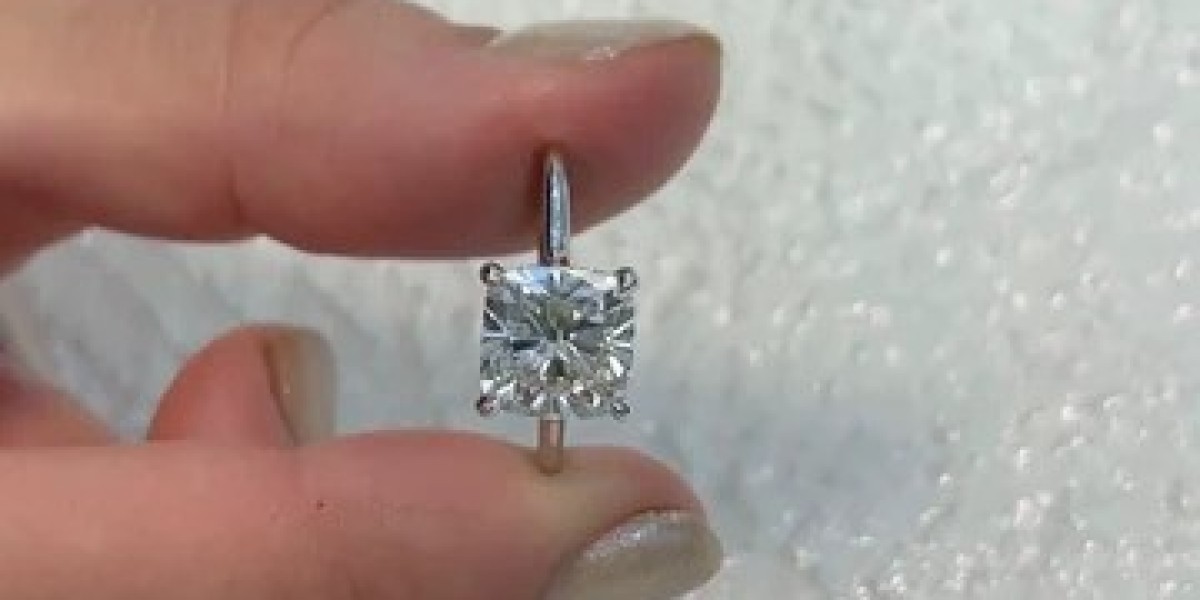

Choosing a diamond is only part of creating a meaningful engagement ring. The setting plays an equally important role because it determines how the stone sits on the finger, how much of its shape is visible, and how well the overall design fits a person’s lifestyle. For elongated diamonds, these details become even more important because their extended proportions naturally draw attention to the center stone.
An elongated diamond can create a longer visual line across the finger, making the hand appear more slender while giving the design a distinctive silhouette. However, not every setting produces the same effect. A setting that works beautifully with a round stone may not showcase an elongated shape as effectively.
When comparing different designs, it helps to look beyond appearance alone. Proportion, symmetry, security, metal choice, setting height, and personal style should all be considered before making a decision. Understanding these factors can make the selection process easier and help you choose a design that feels right for both special occasions and everyday wear.
Understanding the Shape Before Choosing a Setting
The first step is to understand what makes an elongated diamond different from a more compact diamond shape. Its length-to-width ratio creates a stretched appearance, but the exact proportions can vary considerably from one stone to another.
Some elongated diamonds have a noticeably narrow outline, while others have a fuller shape with softer proportions. Neither option is automatically better. The ideal choice depends on the look you prefer and how you want the center stone to appear on the hand.
Symmetry is also worth examining. When viewed from above, the stone should have balanced proportions from one side to the other. Uneven shoulders or an irregular outline can become more noticeable when the stone is set vertically or horizontally.
Another important consideration is how the stone interacts with the setting. A narrow design may look particularly refined in a simple solitaire setting, while a wider elongated stone may pair well with a halo or a more detailed band. The setting should support the stone rather than compete with its shape.
The stone's corners deserve attention as well. Cushion-style diamonds have rounded corners, which can make them visually softer than sharper elongated shapes. Those rounded edges can influence the choice of prongs and the amount of metal surrounding the center.
Before comparing finished designs, take time to assess the center stone independently. Looking at its outline, proportions, symmetry, and overall appearance gives you a better foundation for evaluating the setting later.
Comparing Popular Setting Styles
Once the stone's proportions are understood, the next step is comparing settings. Each style changes the appearance of the center stone in a different way.
A solitaire is one of the simplest options. With minimal surrounding detail, the center stone becomes the main focus. This can be especially effective for an elongated diamond because the extended outline remains clearly visible. A solitaire also provides flexibility if you later decide to pair the ring with a wedding band featuring additional details.
A halo setting creates a different effect. Smaller stones are placed around the center, adding additional visual width and creating a more substantial appearance. For someone who wants the center diamond to look larger from a distance, a carefully proportioned halo can be worth considering. However, the halo should be designed around the center stone's dimensions. If it is too large or too elaborate, it may distract from the distinctive elongated outline.
A cathedral setting uses raised metal arches that support the center stone while creating an elevated profile. This style can provide a sense of structure and may leave room for a wedding band to sit neatly beneath the center. It can also make the central diamond appear more prominent because of its raised position.
A bezel setting surrounds the edge of the stone with metal. This offers a modern appearance and provides substantial protection around the perimeter. It can be a practical option for people who prefer a sleek design or want additional coverage around the stone's edges.
Three-stone settings offer another possibility. Smaller side stones frame the center, creating a wider composition across the finger. The side stones can be selected to complement rather than overpower the elongated center, allowing the overall design to maintain balance.
When comparing these styles, consider the amount of metal and surrounding detail. The goal is not simply to choose the most decorated setting. Instead, look for a design that allows the center stone to remain visually balanced with the rest of the ring.
What to Check When Comparing Finished Designs
A finished ring should be evaluated from several angles rather than only from the top. The top view shows the shape and proportions, but the side view reveals how high the stone sits and how the setting supports it.
Start with the prongs. They should hold the stone securely without unnecessarily covering the corners or important visual areas. For an elongated cushion shape, the prong placement should follow the stone's outline naturally. Poorly positioned prongs can make the center appear uneven or interfere with its proportions.
Next, look at the height of the setting. A high setting can make the center stone more noticeable, but it may also be more exposed to knocks during everyday activities. A lower profile can feel more practical and may reduce the chance of catching the ring on clothing or other objects.
The band width should also be considered. A very thin band can create a delicate appearance, but the proportions need to be appropriate for the size of the center stone. A wider band can provide a stronger visual foundation and may suit someone who prefers a more substantial design.
The relationship between the center and the shoulders of the band is another detail that is easy to overlook. If the shoulders rise toward the center, they should transition smoothly into the setting. Sudden changes in width or height can make the design feel visually disconnected.
Metal color can change the overall character of the design. White gold tends to create a clean, cohesive appearance around a colorless or near-colorless diamond. Yellow gold can create stronger contrast, while rose gold introduces a warmer tone. The choice ultimately comes down to personal preference, existing jewelry, and the look you want from the finished piece.
It is also useful to consider how the setting will interact with a wedding band. Some raised settings leave enough space for a band to sit flush against the engagement ring. Others may require a contoured or curved band. Thinking about both rings together can prevent compatibility issues later.
If you are comparing Browse an elongated cushion engagment ring, look carefully at how the center stone, shoulders, prongs, and band work together rather than judging the center stone alone.
Matching the Setting to Your Lifestyle
A beautiful setting should also make sense for the way the ring will be worn. Someone who works with their hands frequently may have different priorities from someone who mainly wears the ring for social occasions.
For everyday wear, security and comfort deserve particular attention. Settings with exposed areas can allow more of the stone to be visible, but they may also leave certain parts of the diamond more vulnerable to accidental impact. Protective designs can provide additional coverage without necessarily sacrificing visual appeal.
The profile of the ring matters here. A very high center can create a dramatic appearance, but a lower profile may be easier to wear during routine activities. Think about how often you use your hands, whether you play sports, work with equipment, or regularly remove jewelry for certain tasks.
Comfort should not be treated as an afterthought. The underside of the setting should feel smooth against the finger, and the band should have a shape that allows natural movement. Even small details can make a noticeable difference when a ring is worn for many hours each day.
Personal style matters just as much. Someone who prefers understated jewelry may feel most comfortable with a clean solitaire. Another person may enjoy a halo or three-stone design with additional detail. The right setting is ultimately one that reflects the wearer's preferences while providing an appropriate level of support for the center stone.
Budget is another practical factor. The cost of a finished design depends on several elements, including the center stone, metal, side stones, craftsmanship, and complexity of the setting. A more detailed design is not necessarily a better choice. Spending more on features that matter to you can be more worthwhile than choosing additional details simply because they are available.
For shoppers comparing elongated cushion designs, reviewing the proportions of the center stone alongside the construction of the setting can make the decision much clearer. A well-matched setting should enhance the stone without hiding the characteristics that attracted you to it in the first place.
Bringing the Center Stone and Setting Together
The strongest designs usually come from balance. The center diamond should remain the focal point, while the setting should provide support, proportion, and visual continuity.
For an elongated shape, the direction of the stone can influence the entire appearance of the ring. A vertical orientation emphasizes length and creates a more traditional engagement-ring silhouette. A horizontal orientation can produce a more contemporary look and make the design feel visually wider across the finger.
Side stones should also be selected carefully. If they are significantly larger than necessary, they can compete with the center. If they are too small, they may not provide the intended framing effect. The right proportions allow every component to contribute without overwhelming the design.
The same principle applies to halos. A halo should follow the outline of the center stone rather than creating an unrelated shape around it. The closer the proportions are matched, the more cohesive the finished design tends to look.
The band can either reinforce or soften the elongated appearance. A narrow band can emphasize the length of the center stone, while a wider band can create a stronger contrast. Pavé details may add visual interest, whereas a plain band keeps attention firmly on the center.
Before making a final decision, compare the design from different angles and consider how it looks both alone and alongside a wedding band. Think about how the ring will fit into your existing jewelry collection rather than viewing it as an isolated purchase.
At this stage, it is also useful to consider the craftsmanship behind the setting. Secure stone placement, clean metalwork, balanced proportions, and smooth finishing can influence both the appearance and long-term usability of the ring.
Making a Confident Final Choice
There is no single setting that works for every elongated diamond. The best option depends on the stone's proportions, your preferred aesthetic, how often you plan to wear the ring, and the level of protection you want.
Start by identifying what you like about the center stone. If you are drawn to its length and distinctive outline, choose a setting that keeps those characteristics visible. If you prefer a larger overall appearance, a carefully proportioned halo or side-stone design may be more suitable.
Then consider practical requirements. Ask yourself whether you need a low-profile design, additional protection around the edges, easy wedding-band pairing, or a particular metal color. These questions can narrow down the options quickly.
It is equally important not to choose a setting solely because it is currently popular. Trends can provide inspiration, but an engagement ring is a personal piece that may be worn for many years. A design that reflects your preferences and fits comfortably into your daily life is likely to remain more satisfying.
Antiquecut offers an elongated cushion design that can serve as a reference point when comparing proportions, setting details, and overall styling. Looking closely at how the center stone is presented can help you identify which elements you want to prioritize in your own selection.
Conclusion
Choosing the right setting for an elongated diamond involves more than deciding between a few popular styles. The proportions of the center stone, prong placement, band width, metal choice, setting height, protection, and wedding-band compatibility all contribute to the finished appearance.
A solitaire can keep the focus on the center, a halo can create a fuller look, a cathedral setting can add height and structure, while a bezel can provide a more enclosed and modern profile. The right choice depends on how these features work with the particular stone and the person wearing it.
When comparing designs, take your time to look at the ring from different angles and consider both appearance and everyday practicality. Instead of focusing on one feature, evaluate how the entire design works together. With the right balance between stone proportions, setting structure, comfort, and personal style, you can choose a design that feels considered from every angle.