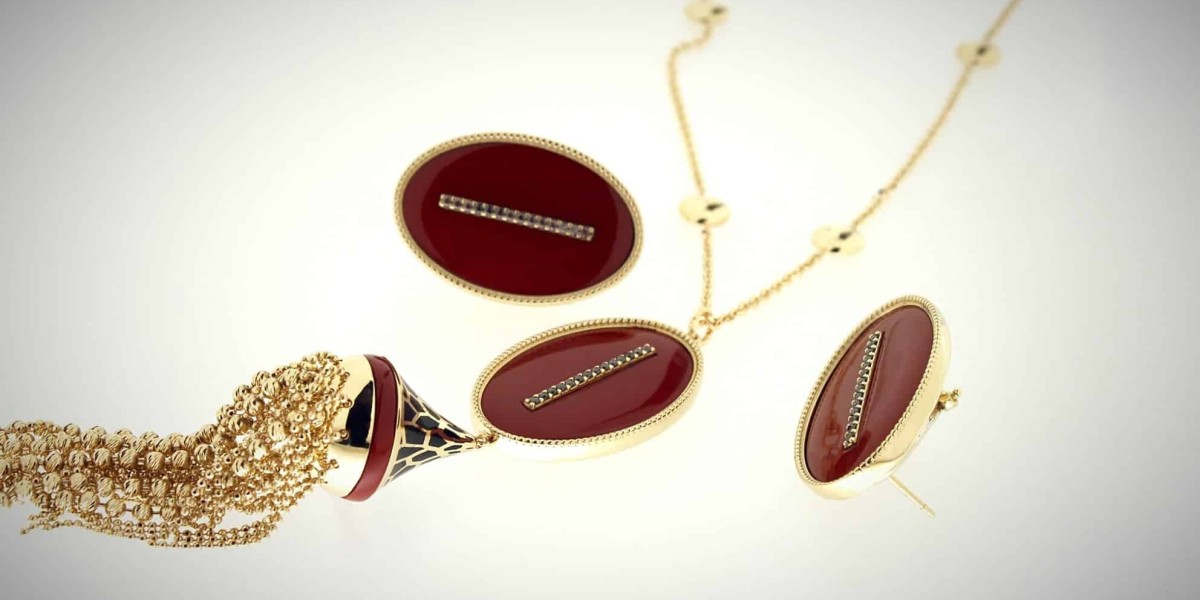

Gold jewellery has remained an important part of Nigeria's jewellery and precious-metals market, combining the appeal of craftsmanship with the underlying value of gold. For retailers, jewellery businesses, traders, and investors, buying products in larger quantities can create opportunities to build inventory and serve customers across different price ranges.
When researching wholesale gold jewellery In Nigeria, buyers need to look beyond the initial purchase price. Gold purity, weight, craftsmanship, design, brand, market demand, labour costs, and prevailing gold prices can all influence the eventual resale value of a jewellery item.
Wholesale gold jewellery can be purchased for several purposes. A retailer may purchase pieces for resale, a jewellery business may acquire inventory for a seasonal collection, or an individual may view selected pieces as a way of owning physical gold. However, jewellery should not automatically be treated as equivalent to investment-grade bullion because part of its purchase price may reflect workmanship and design.
This guide explains the key factors that influence wholesale gold jewellery pricing, investment considerations, resale value, supplier selection, and strategies for making more informed purchasing decisions.
Understanding Wholesale Gold Jewellery in Nigeria
Wholesale gold jewellery refers to gold jewellery purchased in quantities suitable for commercial resale, distribution, or business inventory.
Wholesale collections may include:
- Gold rings
- Gold necklaces
- Gold bracelets
- Gold earrings
- Gold pendants
- Chains
- Jewellery sets
- Custom designs
- Traditional-inspired pieces
- Contemporary fashion jewellery
The exact selection depends on the target market and business model.
A retailer focused on everyday jewellery may prioritize lightweight designs, while a luxury jewellery business may focus on larger and more elaborate pieces.
Understanding the intended customer is therefore important before placing a wholesale order.
Why Gold Jewellery Has Both Decorative and Monetary Value
Gold jewellery has a unique position because it combines material value with artistic and functional value.
The underlying gold content contributes to the item's intrinsic value, while additional factors can influence the final retail price.
These may include:
- Design
- Craftsmanship
- Labour
- Brand reputation
- Gemstones
- Finishing
- Packaging
- Market demand
For this reason, the resale value of a jewellery item is not always equal to its gold weight multiplied by the current market price.
A buyer should understand these differences before treating jewellery as an investment.
How Gold Purity Affects Jewellery Value
Gold purity is one of the most important factors in determining the intrinsic value of a jewellery item.
Common karat levels include:
24K: Approximately 99.9% gold.
22K: Approximately 91.7% gold.
18K: Approximately 75% gold.
14K: Approximately 58.5% gold.
Pure gold is relatively soft, so jewellery manufacturers often combine gold with other metals to create alloys with greater durability.
When buying wholesale jewellery, always confirm the stated karat and, where applicable, the fineness.
Understanding Gold Weight
Weight is another major factor in determining the underlying value of gold jewellery.
Two necklaces can have the same purity but very different values if their weights are different.
For wholesale buyers, it can be useful to record:
- Individual item weight
- Total order weight
- Purity
- Gold content
- Purchase price
This information makes it easier to calculate the approximate underlying gold value of inventory.
How the Gold Market Influences Jewellery Prices
The international gold market has an important influence on the price of gold jewellery.
Gold is commonly quoted internationally in U.S. dollars per troy ounce.
Local jewellery prices can then be influenced by:
- International gold prices
- Naira exchange rates
- Gold purity
- Product weight
- Manufacturing costs
- Dealer premiums
- Local demand
- Availability
When international gold prices rise, jewellery prices may also increase because the underlying raw material becomes more expensive.
However, the relationship is not always immediate or identical because jewellery pricing includes additional costs.
The Role of the Naira Exchange Rate
Currency movements are especially relevant for Nigerian jewellery businesses.
International gold prices are generally expressed in U.S. dollars, while local transactions are often conducted in naira.
A weaker naira can increase the local cost of gold even when the international gold price remains relatively stable.
Retailers purchasing wholesale jewellery should therefore consider both gold-market movements and exchange-rate changes when planning inventory purchases.
Wholesale Gold Jewellery In Nigeria and Pricing
When comparing wholesale gold jewellery In Nigeria, buyers should understand how suppliers calculate their prices.
A simplified jewellery pricing structure can include:
Gold value + labour + design costs + manufacturing expenses + supplier margin = wholesale price
The final price may also reflect gemstones, special finishing, packaging, branding, and other services.
For this reason, wholesale buyers should request a clear explanation of the pricing structure.
Goldy as a Reference for Wholesale Jewellery Research
For businesses researching wholesale gold jewellery In Nigeria, Goldy can serve as a useful reference when exploring gold products, jewellery collections, market information, and purchasing opportunities.
Goldy can be incorporated into the research process as buyers compare jewellery styles, product categories, and market considerations.
Before making a commercial purchase, buyers should still confirm current prices, product specifications, purity, availability, order quantities, delivery arrangements, and applicable supplier terms.
For larger purchases, appropriate independent verification can also provide additional confidence.
Investment Value vs. Jewellery Value
One of the most important concepts for new buyers is the difference between investment value and jewellery value.
Investment-grade bullion is generally valued primarily according to its weight and purity.
Jewellery includes additional elements such as:
- Craftsmanship
- Design
- Labour
- Brand
- Fashion appeal
- Gemstones
Consequently, jewellery may have a higher purchase price than the value of its raw gold content.
This does not mean jewellery has no investment value. Instead, buyers should recognize that its value is determined by more than the gold alone.
Can Gold Jewellery Be an Investment?
Gold jewellery can form part of a broader wealth strategy for some buyers, particularly when the jewellery contains significant gold content and is purchased at a reasonable price.
However, jewellery should not automatically be viewed as a substitute for bullion.
An investor should consider:
- Gold purity
- Weight
- Purchase premium
- Craftsmanship cost
- Resale market
- Brand
- Condition
- Current gold price
The more clearly these factors are understood, the easier it becomes to assess whether a particular piece represents reasonable value.
Understanding Resale Value
Resale value is the amount a buyer may receive when selling jewellery in the future.
It can depend on:
- Current gold price
- Purity
- Weight
- Condition
- Design
- Brand
- Demand
- Buyer type
- Gemstone value
- Market conditions
A jewellery item purchased at a premium may not immediately resell for the same amount.
The original retail or wholesale price can include costs that are not fully recovered in a resale transaction.
Why Making Charges Matter
Making charges represent the labour and craftsmanship involved in creating jewellery.
A highly detailed piece may have higher making costs than a simple chain.
For investment-focused buyers, lower making charges can sometimes make a product more attractive because less of the purchase price is attributable to craftsmanship that may not be fully recovered when reselling.
However, design and craftsmanship remain important for customers purchasing jewellery for personal use.
Retailers therefore need to balance investment considerations with customer preferences.
Simple Jewellery Value Calculation
A basic way to estimate the gold component of jewellery is:
Weight × purity × applicable gold price = approximate underlying gold value
For example, if a piece weighs 20 grams and contains 18K gold, approximately 75% of its material is gold.
The approximate pure-gold content would therefore be:
20 × 0.75 = 15 grams of gold
This is only an illustrative calculation. Actual resale offers can differ because dealers may account for testing, refining, margins, market conditions, and other costs.
Gold Jewellery and Inflation
Gold is often discussed as a potential store of value during periods of inflation or currency weakness.
For Nigerian buyers, this discussion can be particularly relevant because local gold prices are influenced by both international gold prices and the naira exchange rate.
However, gold jewellery should not be assumed to provide guaranteed protection against inflation.
Market prices can fluctuate, and jewellery also contains costs that are separate from the underlying gold value.
Selecting the Right Jewellery for Resale
Retailers interested in resale should select products according to customer demand rather than simply purchasing the heaviest items.
Popular categories can include:
- Lightweight everyday pieces
- Classic chains
- Simple earrings
- Traditional designs
- Versatile bracelets
- Elegant pendants
- Matching jewellery sets
The ideal selection depends on the retailer's target customers.
Understanding local preferences can reduce the likelihood of holding inventory that takes too long to sell.
Classic Designs vs. Fashion Trends
Wholesale buyers should balance timeless pieces with trend-driven products.
Classic designs can remain relevant across multiple seasons.
Examples include:
- Simple gold chains
- Hoop earrings
- Plain bands
- Minimalist pendants
- Classic bracelets
Fashion-focused designs can attract customers seeking something new, but trends can change quickly.
A balanced inventory can therefore combine established styles with selected seasonal designs.
The Importance of Jewellery Condition
Condition can affect resale value.
Gold jewellery should be stored carefully to reduce:
- Scratches
- Bending
- Surface damage
- Tarnishing of alloy components
- Broken clasps
- Missing stones
Although gold itself is durable, jewellery contains components that can be damaged through improper handling.
Maintaining good condition can improve the presentation and potential resale appeal of finished jewellery.
Gemstones and Resale Value
Gemstones can add value to jewellery, but their contribution to resale value varies.
The value of a gemstone can depend on:
- Type
- Quality
- Size
- Colour
- Clarity
- Certification
- Market demand
Retailers should not automatically assume that the full original gemstone cost will be recovered during resale.
When buying gemstone jewellery wholesale, documentation and stone quality should be carefully considered.
Buying Gold Jewellery for a Retail Business
Retailers should begin by understanding their customer base.
Questions to consider include:
- What price range do customers prefer?
- Which jewellery categories sell most frequently?
- Do customers prefer traditional or contemporary styles?
- Is demand seasonal?
- Are customers purchasing for gifts?
- What designs receive the most attention?
These insights can guide wholesale purchasing decisions.
Managing Wholesale Jewellery Inventory
Effective inventory management can help protect business capital.
Retailers should track:
- Product code
- Weight
- Purity
- Purchase price
- Supplier
- Date purchased
- Selling price
- Sales date
- Remaining stock
This information can help identify best-selling products and slow-moving inventory.
Over time, sales data can be used to improve future wholesale orders.
Seasonal Demand for Gold Jewellery
Jewellery demand can change throughout the year.
Seasonal occasions may include:
- Weddings
- Religious celebrations
- Festivals
- Holidays
- Anniversaries
- Birthdays
- Family celebrations
Retailers can prepare specific collections for periods when demand is expected to increase.
Purchasing too early or in excessive quantities, however, can tie up business capital in inventory.
Wholesale Jewellery for Weddings
Wedding-related jewellery can represent an important market segment.
Retailers may offer:
- Bridal sets
- Gold necklaces
- Earrings
- Bracelets
- Rings
- Traditional-inspired pieces
- Gifts for family members
Matching sets can be particularly appealing because customers may want coordinated pieces.
Retailers should select designs according to local customer preferences and expected price ranges.
Wholesale Gold Jewellery for Gifting
Gold jewellery is frequently associated with meaningful gifts.
Retailers can create collections for:
- Birthdays
- Anniversaries
- Weddings
- Graduations
- Festive celebrations
- Family milestones
Affordable jewellery can attract customers looking for smaller gifts, while premium pieces can serve customers with larger budgets.
Offering multiple price points can therefore broaden the potential customer base.
How to Verify Wholesale Gold Jewellery
Before purchasing, buyers should verify:
- Purity
- Weight
- Hallmarks
- Product description
- Manufacturer or supplier information
- Gemstone details where applicable
- Invoices
- Certification where relevant
For high-value purchases, independent testing may be appropriate.
Buyers should not rely solely on appearance or a seller's verbal description.
Why Documentation Matters
Proper documentation can help establish the details of a wholesale transaction.
Useful records can include:
- Purchase invoices
- Purity information
- Weight records
- Product specifications
- Assay reports where applicable
- Supplier information
- Payment records
These documents can be useful for inventory management, accounting, insurance, and future resale.
Comparing Wholesale Gold Jewellery Suppliers
Businesses should compare suppliers using consistent criteria.
| Factor | Supplier A | Supplier B | Supplier C |
|---|---|---|---|
| Gold purity | Verify | Verify | Verify |
| Weight | Verify | Verify | Verify |
| Design selection | Compare | Compare | Compare |
| Making charges | Compare | Compare | Compare |
| Wholesale price | Compare | Compare | Compare |
| Documentation | Verify | Verify | Verify |
| Delivery | Verify | Verify | Verify |
| Return terms | Verify | Verify | Verify |
The lowest price should not be the only consideration.
A supplier's quality, consistency, communication, and reliability can have a major impact on a jewellery business.
Questions to Ask a Wholesale Gold Jewellery Supplier
Before placing an order, buyers can ask:
What is the purity of each item?
What is the exact weight?
Are making charges included?
Are gemstones included in the stated weight?
Is certification available where applicable?
What is the minimum wholesale order?
How frequently are prices updated?
How are returns handled?
What are the delivery arrangements?
Are invoices provided?
Clear answers can help prevent misunderstandings.
Understanding Gold Jewellery Margins
Retailers need to account for the difference between purchase cost and selling price.
A simplified calculation is:
Selling price − total acquisition cost = gross margin
However, acquisition costs can include more than the supplier's quoted jewellery price.
Businesses may also pay for:
- Shipping
- Packaging
- Insurance
- Marketing
- Storage
- Payment processing
- Staff
- Taxes or applicable charges
Retail prices should therefore be calculated using the full business cost rather than only the gold content.
The Importance of Supplier Reputation
A supplier's reputation can influence the long-term success of a jewellery business.
Before establishing a major wholesale relationship, buyers should evaluate:
- Business history
- Product consistency
- Customer service
- Documentation
- Communication
- Quality-control procedures
- Delivery reliability
For large orders, it can be sensible to start with a manageable purchase and evaluate the supplier before significantly increasing order volume.
Understanding the Buy-Sell Spread
The price a retailer pays for jewellery and the amount offered by a future buyer may be different.
This difference can result from:
- Gold-market movements
- Dealer margins
- Testing costs
- Refining costs
- Labour valuation
- Market demand
Understanding this spread is essential when discussing jewellery as an investment.
A piece may need to appreciate substantially before the owner recovers all of the original acquisition costs.
Storage of Wholesale Gold Jewellery
Jewellery businesses should have appropriate storage procedures for valuable inventory.
Depending on the scale of operations, businesses may consider:
- Secure cabinets
- Restricted-access storage
- Security systems
- Professional vault services
- Inventory tracking
- Appropriate insurance
Security arrangements should be proportionate to the value of the inventory.
Responsible Gold Sourcing
Responsible sourcing is increasingly important in the precious-metals industry.
Businesses may wish to understand the origin of gold and maintain appropriate supply-chain records.
When evaluating a supplier, consider asking about:
- Source information
- Refinery details
- Documentation
- Applicable regulations
- Responsible sourcing practices
Transparent sourcing can support both business reputation and better supply-chain management.
How Gold Market Trends Can Affect Retailers
Retailers should understand that gold prices can move in either direction.
Factors influencing global gold markets can include:
- Interest-rate expectations
- Currency movements
- Inflation expectations
- Investment demand
- Central-bank activity
- Economic conditions
- Geopolitical developments
When gold prices rise, replacement inventory may become more expensive.
When prices fall, retailers may need to reassess existing inventory valuations and pricing strategies.
Planning Wholesale Purchases Strategically
Retailers can avoid many inventory problems through careful purchasing.
Instead of buying large quantities of one design, businesses can diversify across:
- Product categories
- Price levels
- Purities
- Design styles
- Customer segments
This can reduce dependence on a single product type.
Sales data should then be reviewed regularly to determine which products deserve larger future orders.
Common Mistakes When Buying Wholesale Gold Jewellery
New buyers can encounter several avoidable problems.
Ignoring Making Charges
Always understand how craftsmanship costs affect the final price.
Buying Without Checking Purity
Confirm purity and weight before accepting an order.
Ordering Too Much Inventory
Excess stock can tie up working capital.
Following Trends Without Research
Fashion trends can change quickly.
Ignoring Documentation
Maintain proper purchase records.
Assuming Jewellery Equals Bullion
Jewellery includes craftsmanship and other costs that may not be fully recovered during resale.
Final Thoughts on Wholesale Gold Jewellery in Nigeria
wholesale gold jewellery In Nigeria can provide valuable opportunities for retailers, jewellery businesses, and buyers seeking attractive products with underlying precious-metal value. However, the investment and resale potential of jewellery depends on several factors rather than gold price alone.
Purity, weight, craftsmanship, design, making charges, market demand, condition, brand, gemstones, and prevailing gold prices can all influence the eventual value of a piece.
For businesses, successful wholesale purchasing begins with understanding customers and selecting products that match actual demand. Maintaining accurate inventory records, comparing suppliers, verifying product specifications, and calculating complete acquisition costs can help improve purchasing decisions.
Goldy can serve as a useful reference when researching gold jewellery products, market information, and wholesale opportunities. Buyers should still verify current product availability, purity, weight, pricing, documentation, and supplier terms directly before making significant purchases.
Gold jewellery can combine beauty, cultural significance, and precious-metal value, but it should not be treated as a guaranteed investment. Buyers who understand the difference between gold content and total jewellery price can make more realistic assessments of potential resale value.
With careful sourcing, appropriate verification, sensible inventory management, and awareness of changing gold-market conditions, businesses can build a wholesale jewellery collection designed to serve customers while maintaining a thoughtful approach to long-term value.
Gold prices, exchange rates, jewellery availability, supplier terms, and market conditions can change. The information provided here is for general educational purposes and should not be considered financial or investment advice. Buyers should verify current information and obtain appropriate professional guidance before making significant transactions.