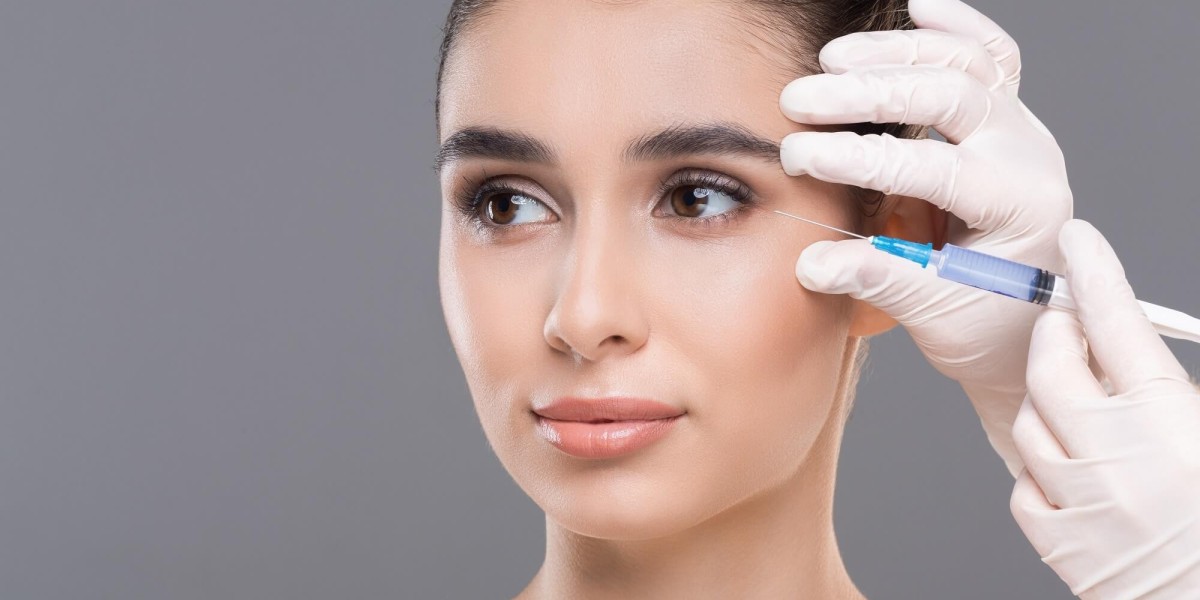

Facial Botox injections in Dubai can be tailored to different areas of the face where repeated muscle movement contributes to visible expression lines. Rather than treating the entire face uniformly, Botox is generally used in selected muscles according to individual facial movement and aesthetic concerns. Understanding the different treatment areas can help you recognize which concerns may be suitable for this type of wrinkle management.
Why Treatment Areas Matter
Facial muscles work together to create expressions, and each area can behave differently. The muscles responsible for raising the eyebrows are different from those involved in frowning or squinting.
Because of this, treatment planning requires more than simply identifying where a wrinkle appears. The underlying muscle movement also needs to be considered.
A targeted approach can help address specific lines while preserving natural facial expression in areas where movement is desirable.
Forehead Treatment Area
The forehead is one of the most recognizable areas associated with expression-related wrinkles.
Horizontal lines can appear when a person repeatedly raises the eyebrows. Over time, these lines may become more noticeable, particularly as the skin gradually loses elasticity.
How Botox May Help
Facial Botox injections in Dubai can temporarily reduce the activity of selected forehead muscles. With less repetitive contraction, horizontal expression lines may appear softer.
However, forehead movement is also important for natural eyebrow positioning. Excessive reduction in movement may affect the overall balance of the upper face, so treatment should be approached carefully.
The Area Between the Eyebrows
The region between the eyebrows is another common area where dynamic lines develop.
Repeated frowning or concentrating can cause the muscles in this region to contract frequently. Eventually, vertical lines may become visible and create a more serious or tense facial appearance.
Potential Effect of Treatment
Botox can temporarily relax selected muscles in this area. As muscle activity decreases, the lines may appear less prominent and the expression may look more relaxed.
The depth of existing lines can influence the degree of visible improvement.
Outer Corners of the Eyes
The outer eye area is highly expressive. Smiling, laughing, and squinting can cause fine lines to appear around the corners of the eyes.
These lines are commonly referred to as crow's feet.
Why This Area Requires Careful Planning
The muscles around the eyes contribute to natural expressions and eye movement. The goal is therefore not to remove every visible crease.
When appropriate, targeted treatment may soften dynamic lines while preserving an expressive appearance.
Upper Facial Areas and Facial Balance
The forehead, brow region, and outer eye area are closely connected.
Changes in muscle activity in one area can influence the appearance of another. For example, altering forehead movement can affect how the eyebrows appear.
This is why a treatment plan should consider the upper face as a whole rather than viewing every wrinkle as an isolated concern.
Can Botox Be Used in Other Facial Areas?
Botulinum toxin may also have applications beyond the most familiar wrinkle areas. Depending on individual circumstances, aesthetic treatments may sometimes focus on concerns involving other facial muscles.
However, not every area is suitable for Botox, and the objective should always be clearly defined before treatment.
The facial anatomy of each person is different, so an approach that works well for one individual may not be appropriate for another.
Chin Area
Some people develop a dimpled or uneven-looking chin due to muscle activity.
In selected situations, reducing excessive contraction may help create a smoother appearance.
Because the chin contributes to lower facial movement and expression, careful assessment is important before considering treatment in this region.
Jawline and Lower-Face Considerations
Botox may also be considered in certain lower-face aesthetic situations where muscle activity contributes to the appearance of the jaw or surrounding structures.
However, lower-face treatment is more anatomically complex than simply addressing forehead lines.
The muscles involved can affect chewing, speaking, smiling, and other everyday functions. Any treatment in this region therefore requires particularly careful planning.
What Determines Which Areas Are Treated?
Several factors can influence treatment-area selection.
Muscle Activity
The strength and pattern of muscle contraction can affect where treatment may be appropriate.
Visible Wrinkle Pattern
The location and severity of expression lines can help identify which muscles contribute to their formation.
Facial Structure
Natural facial proportions and asymmetries should be considered when planning treatment.
Aesthetic Goals
Someone seeking subtle smoothing may require a different approach from someone wanting a more noticeable reduction in specific lines.
Why Treating Every Wrinkle Is Not Always Necessary
Seeing multiple facial lines does not necessarily mean every area should receive Botox.
Some wrinkles are part of normal expression and may not need treatment. Others may be caused by skin texture, volume changes, dehydration, or natural aging rather than muscle activity.
A focused approach can therefore be more appropriate than trying to make the entire face completely line-free.
What Happens During Area Selection?
Before treatment, the facial muscles can be observed both at rest and during normal expressions.
This allows the treatment areas to be considered according to how the face naturally moves.
The desired outcome should also be discussed. Maintaining certain expressions may be important, particularly around the eyebrows and eyes.
Once the relevant areas are identified, the treatment can be planned around those specific concerns.
What Happens After Treatment?
Small injection-site marks, mild redness, or temporary swelling may occur after Botox treatment.
The effects on muscle movement develop gradually, so the appearance immediately following treatment is not the final result.
Following individualized aftercare recommendations can help support a smooth recovery period.
How Results Differ by Treatment Area
The response to Botox can vary depending on the location being treated.
Areas with stronger muscle activity may respond differently from areas with more delicate movement. The depth of existing lines can also affect the visible outcome.
For this reason, results should be assessed individually rather than compared directly with photographs or experiences from other people.
Maintaining Results Across Different Areas
Botox provides temporary results, meaning muscle activity gradually returns over time.
As movement becomes stronger, treated expression lines may slowly become visible again.
Maintaining healthy skin through sun protection, hydration, appropriate skincare, and healthy lifestyle habits can complement facial rejuvenation efforts.
When Is Another Treatment Considered?
There is no universal schedule that applies to everyone. The timing of any future treatment depends on how quickly muscle activity returns and how noticeable the original concern becomes again.
It is generally better to assess your individual response than to follow a predetermined schedule without considering your facial changes.
Final Thoughts
Facial Botox injections in Dubai can be used in carefully selected facial areas to address expression-related lines and create a smoother appearance. The forehead, frown-line region, and outer eye area are among the commonly considered treatment zones, while other facial areas may require a more specialized assessment. Choosing treatment areas based on muscle activity, facial structure, and personal goals can help support balanced and natural-looking results. If you are exploring facial rejuvenation options, TAJMEELS CLINIC can be considered as part of your research.