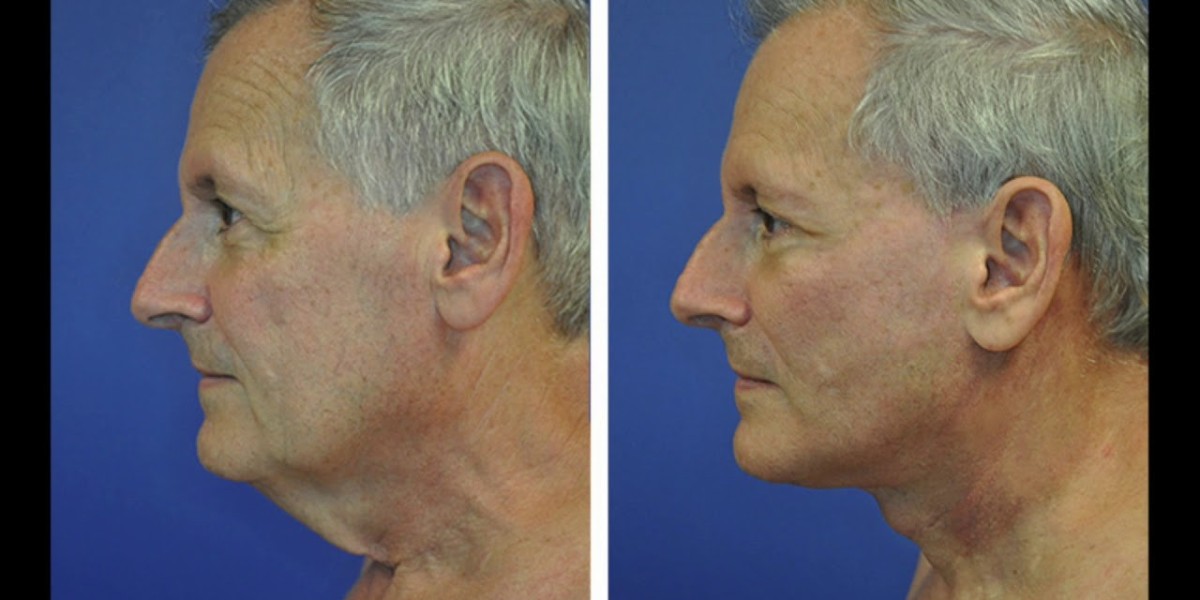

Neck lift surgery in Dubai requires a gradual recovery period during which swelling, tightness, bruising, and changes in skin sensation may occur before the neck settles into its refined appearance. Understanding how recovery can progress from the initial days through the later healing stages makes it easier to prepare mentally and practically. Although every person heals differently, knowing what may happen along the way can help you approach the process with realistic expectations.
The First 24 Hours
The first day after surgery is primarily about rest and observation. The treated area may feel tight, swollen, or sensitive, and the appearance can be quite different from the expected final result.
It is important to follow the specific aftercare instructions provided for your recovery. Activities that place unnecessary pressure on the neck should be avoided.
Having someone available to assist with practical tasks can also make the first day more comfortable, particularly if you need help moving around or managing household responsibilities.
Days Two to Three
During the next few days, swelling and bruising may become more noticeable before they begin to improve. This can be part of the normal healing response.
The neck may feel firm or unusually tight, and certain movements may feel less comfortable than usual.
Rest remains important during this period. Avoiding strenuous activity helps prevent unnecessary stress on healing tissues.
Keeping your head positioned as recommended can also be useful for managing early swelling.
The First Week
By the end of the first week, some people begin to notice that the initial swelling is gradually changing. However, the neck may still look fuller or tighter than expected.
Depending on the procedure and individual healing, early follow-up care may take place during this stage.
It is important not to judge the final contour at this point. Healing is still in its early phase, and temporary swelling can obscure the actual shape of the neck.
Week Two
During the second week, everyday activities may begin to feel easier for many people. Bruising often becomes less prominent, while swelling may continue to decline gradually.
The skin can still feel tight or have areas of altered sensation. These sensations may change as the tissues recover.
Even when you begin feeling more comfortable, it is important not to assume that complete internal healing has occurred.
Physical activity should be increased according to individual recovery guidance rather than simply based on how you feel.
Weeks Three to Four
By this stage, the neck may begin looking more natural as the early postoperative changes continue to settle.
The contour can become easier to appreciate, although some residual swelling may remain.
Scar areas may still appear pink, firm, or more visible than they will eventually become. Scar maturation is a gradual process, so early appearance should not be considered permanent.
Many people also begin returning more fully to their normal routines during this phase, depending on how recovery has progressed.
The First Few Months
The months following surgery are when the tissues continue to mature.
Residual swelling may gradually disappear, allowing the refined neck contour to become clearer. Tightness and altered sensations can also continue to improve.
At this point, the appearance is generally more representative of the surgical result, although subtle changes can continue.
Patience remains important because soft tissues do not always settle at the same speed.
How Swelling Changes During Recovery
Swelling does not necessarily disappear in a straight line.
It can fluctuate depending on activity, sleeping position, individual healing, and other factors. One side may occasionally appear more swollen than the other.
Temporary differences can be unsettling, but changes during recovery do not automatically represent the final outcome.
Following aftercare instructions and avoiding unnecessary strain can support the healing process.
Managing Tightness Around the Neck
A sensation of tightness is common after tissue tightening procedures. This may initially feel unfamiliar, especially when turning the head or moving the neck.
As healing progresses, the sensation usually changes.
Do not attempt to stretch or manipulate the treated area unless specifically instructed to do so. The healing tissues need time to adapt.
Comfort generally improves as swelling decreases and the tissues become more flexible.
Returning to Exercise
Exercise should not be resumed simply because visible swelling has decreased.
Strenuous activity can increase blood flow and place physical demands on recovering tissues. The timing for returning to exercise depends on the extent of surgery and individual progress.
Light movement may be introduced according to recovery guidance, while demanding workouts should generally wait until sufficient healing has occurred.
A gradual return is safer than trying to resume a normal fitness routine immediately.
Sleeping During Recovery
Sleep positioning can affect comfort during the early recovery period.
Keeping the head elevated as recommended may help reduce swelling. It can also be useful to arrange pillows or other support before surgery so that a comfortable sleeping position is easier to maintain.
Avoid positions that place direct pressure on the treated area if instructed to do so.
Good sleep is valuable during recovery because the body needs adequate rest for tissue repair.
Caring for Healing Incisions
Incision care is an important part of recovery. The treated areas should be kept and cared for according to the postoperative instructions provided.
Scars naturally change over time. They may initially appear darker, pinker, firmer, or more noticeable before gradually becoming less prominent.
Sun exposure can affect scar appearance, making appropriate protection especially important during the maturation process.
When Will You See the Real Result?
Early postoperative photographs can be misleading because swelling and tightness may temporarily alter the neck contour.
As the healing process continues, the jawline and neck transition become easier to evaluate.
The final appearance should be judged only after sufficient time has passed for swelling to settle and tissues to mature.
This is one of the most important reasons to avoid comparing your recovery day by day with someone else's experience.
Factors That Influence Recovery Speed
Recovery is highly individual. Several factors can affect how quickly the neck settles, including:
The extent of the surgical correction
Individual healing response
Skin quality
Age and tissue characteristics
General lifestyle
Activity levels during recovery
Consistency with postoperative instructions
Two people undergoing similar procedures may therefore experience noticeably different recovery timelines.
When to Contact Your Care Team
Although temporary swelling and discomfort can occur after surgery, unexpected or worsening symptoms should not be ignored.
Follow the specific instructions provided for your recovery and contact your medical care team if you experience concerns that fall outside the expected healing process.
Keeping scheduled follow-up appointments is also important because healing can be assessed more accurately in person than through self-observation alone.
Keeping Expectations Realistic
Recovery is not always perfectly predictable. Some days may appear better than others, particularly when swelling fluctuates.
Instead of expecting continuous daily improvement, focus on the overall trend across several weeks.
The objective is to allow the tissues to heal properly rather than rushing the process.
Final Thoughts
The recovery timeline after neck lift surgery in Dubai can vary considerably, but the general process involves early swelling and tightness followed by gradual tissue settling and progressive improvement in the neck contour. Proper rest, appropriate activity levels, incision care, and patience all contribute to a smoother healing journey. If you are exploring neck rejuvenation and want to understand the recovery process more thoroughly, TAJMEELS CLINIC can be considered as you research your aesthetic care options.