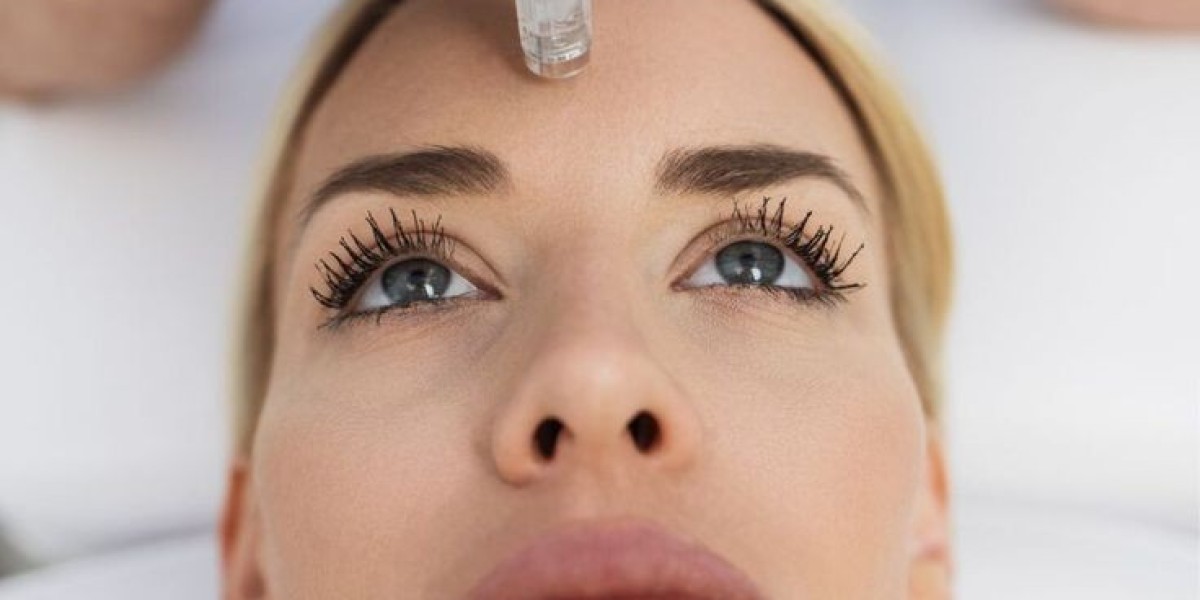

Microneedling with PRP in Dubai offers a regenerative approach for people interested in improving the overall quality and appearance of their skin. Unlike treatments designed primarily to provide temporary surface-level changes, this combination focuses on stimulating the skin's own renewal mechanisms. The process can be used to address concerns such as rough texture, tired-looking skin, mild scarring and visible signs of environmental stress.
The concept behind this treatment is relatively straightforward. Microneedling provides controlled stimulation to the skin, while platelet-rich plasma introduces concentrated components obtained from the person's own blood. Together, they create an environment intended to encourage natural skin remodeling.
How Skin Renewal Takes Place
Skin renewal is a continuous biological process. Older skin cells gradually shed while new cells develop, but factors such as aging, sun exposure and environmental pollutants can influence how efficiently the skin maintains its appearance.
Microneedling works by creating numerous microscopic channels in the targeted area. These controlled pathways activate the body's natural repair response. As the skin responds, collagen and elastin production may be encouraged, helping support its structure.
PRP can complement this process. The platelet concentrate contains naturally occurring growth factors that may support tissue repair and regeneration. When used alongside microneedling, it can become part of a broader skin-rejuvenation strategy.
What Makes PRP Different?
Platelet-rich plasma is prepared from a small blood sample. After processing, the platelet-rich portion is separated and used during the treatment.
Because the material originates from the individual's own blood, PRP is commonly incorporated into regenerative aesthetic procedures. Its purpose is not to add volume or alter facial proportions. Instead, it is used to support the body's natural healing response.
This makes the approach particularly interesting for people who prefer treatments focused on improving skin condition rather than changing their facial features.
Areas That May Benefit from Treatment
Microneedling with PRP can be used on several areas where skin texture and quality are a concern. The face is one of the most common treatment areas, but the approach may also be considered for other selected regions depending on individual needs.
The cheeks, forehead, chin and areas affected by uneven texture can potentially benefit from controlled collagen stimulation. Some treatment plans may also focus on areas showing early signs of aging or visible post-acne changes.
The appropriate treatment area and technique depend on the condition of the skin and the outcome being sought.
Improving Dull and Tired-Looking Skin
Dull skin can develop for many reasons, including environmental exposure, dehydration, accumulated dead skin cells and natural changes associated with aging. Although skincare can support surface hydration and brightness, some people seek procedures that work at a deeper level.
Microneedling with PRP may help improve the overall appearance of lackluster skin by encouraging a natural renewal response. As the skin gradually remodels, the complexion may look more vibrant and feel smoother.
The improvement is generally progressive, making this treatment suitable for individuals who prefer subtle changes that develop over time.
Supporting Collagen Production
Collagen provides important structural support within the skin. As collagen levels change over time, the skin can gradually lose some of its firmness and smoothness.
The controlled micro-injuries produced during microneedling are intended to stimulate collagen remodeling. New collagen formation does not happen instantly, which is why changes can become more noticeable over the weeks following treatment.
PRP may provide additional regenerative support during this process. The combination is therefore often considered when the goal is to encourage healthier-looking and more resilient skin.
Addressing Uneven Skin Texture
Uneven texture can make the complexion appear rough or inconsistent, particularly when viewed under bright lighting. Enlarged pores, previous acne, mild scarring and reduced elasticity can all contribute to this concern.
By stimulating the skin in a controlled manner, microneedling may help encourage structural remodeling. Over time, this can create a smoother-looking surface.
The degree of improvement depends on the underlying cause of the texture concern. Deeper scars or significant skin irregularities may require a more comprehensive treatment plan.
A Gradual Approach to Facial Rejuvenation
Facial rejuvenation does not necessarily mean making dramatic changes to facial features. Many people are interested in approaches that enhance skin quality while preserving their natural appearance.
Microneedling with PRP follows this philosophy by focusing on the condition of the skin. Rather than adding volume or changing facial contours, it aims to encourage natural collagen activity and improve surface quality.
As the skin continues to remodel, improvements may include a smoother feel, more even texture and a healthier-looking complexion.
What Influences Your Results?
Individual results can differ considerably. Skin type, age, existing skin concerns, lifestyle and the condition of the skin before treatment can all influence the outcome.
The depth and intensity of microneedling also need to be selected according to the treatment area and objective. Using an unsuitable approach can increase irritation without necessarily producing better results.
For this reason, personalized treatment planning is important. A proper evaluation helps determine whether this combination is appropriate and what kind of improvement can reasonably be expected.
Caring for Your Skin After Treatment
Post-treatment care plays an important role in supporting the recovery process. The skin may temporarily appear red, feel warm or become slightly sensitive following microneedling.
Gentle cleansing and appropriate moisturization can help maintain comfort during recovery. Strong exfoliating products and unnecessary friction should generally be avoided until the skin has settled.
Protecting the treated skin from direct sunlight is also important. Regular use of suitable sun protection can help reduce exposure-related stress while supporting long-term skin health.
How to Support Long-Term Skin Quality
A treatment can be part of a broader skincare strategy rather than a replacement for daily skin care. Consistent cleansing, moisturizing and sun protection can help maintain the appearance of the complexion.
Lifestyle habits can also influence skin quality. Adequate hydration, balanced nutrition, sufficient rest and protection from excessive sun exposure may all contribute to healthier-looking skin.
Following a suitable maintenance routine can help preserve improvements and support ongoing skin renewal.
Is This Approach Right for Your Skin Goals?
Microneedling with PRP may be worth considering if your primary goal is to improve skin texture, support collagen production or achieve a fresher complexion without altering your facial structure.
However, not every skin concern responds in the same way. People with active skin problems or specific medical considerations may need an alternative approach or additional evaluation before treatment.
Understanding the condition of your skin and having realistic expectations can help you make a more informed decision.
Final Thoughts
Microneedling with PRP in Dubai provides a skin-focused approach that combines controlled stimulation with platelet-rich plasma to support the natural renewal process. It may be useful for people concerned with dullness, uneven texture, early signs of aging or certain forms of superficial scarring. Since every complexion responds differently, individualized planning and appropriate aftercare remain important parts of the experience. TAJMEELS CLINIC can be considered when exploring personalized options for skin renewal and aesthetic care.