
Most acquisitions don't fail on the day they close. They fail three months earlier, buried in a data room nobody had time to fully read.
That is the quiet danger of mergers and acquisitions work. A buyer's legal team might have ten days to review thousands of contracts, leases, IP assignments, and employment agreements before a deal moves forward. Miss one change-of-control clause in a key customer contract, and the acquired company's biggest revenue source can walk away the moment the ink dries. This is exactly where sound AI lawyer due diligence best practices for M&A deals start to matter more than raw legal headcount.
Private equity firms and corporate development teams both feel this pressure. Deal timelines keep shrinking while contract volume keeps growing, especially in roll-up acquisitions where a single deal can involve dozens of subsidiary agreements, vendor contracts, and cross-border compliance documents. Getting the review process right isn't a nice-to-have anymore. It's what stands between a clean closing and a lawsuit eighteen months later.
The first practice worth adopting is treating AI as a first-pass reader, not a final judge. Feed every contract in the data room through an AI review layer before a single associate opens a file. A well-trained legal AI tool can flag change-of-control provisions, non-assignment clauses, exclusivity terms, and indemnification caps in minutes rather than days. Attorneys then spend their limited hours only on the flagged, high-risk documents instead of skimming everything equally. Teams applying AI lawyer due diligence best practices for M&A deals this way routinely cut initial review time by more than half without lowering scrutiny.
Second, build a standardized risk taxonomy before the review even begins, not during it. Define upfront what counts as a red flag: undisclosed litigation, IP ownership gaps, unusual termination rights, or liabilities tied to change of control. When everyone, human or AI, is scoring against the same rubric, findings become comparable across hundreds of contracts instead of depending on which associate happened to read which folder. This consistency is what separates a defensible due diligence process from one that looks thorough on paper but has gaps a judge or opposing counsel could later exploit.
Third, never let AI output skip human sign-off on materiality calls. AI is excellent at surfacing clauses and summarizing obligations, but deciding whether a liability is deal-breaking still needs a partner's judgment and commercial context. The strongest legal teams treat AI-generated summaries as a briefing document, then hold a structured issues call where humans rank findings by financial and reputational impact. This hybrid model protects against both AI hallucination and human fatigue, which are the two biggest risks in any compressed deal timeline.
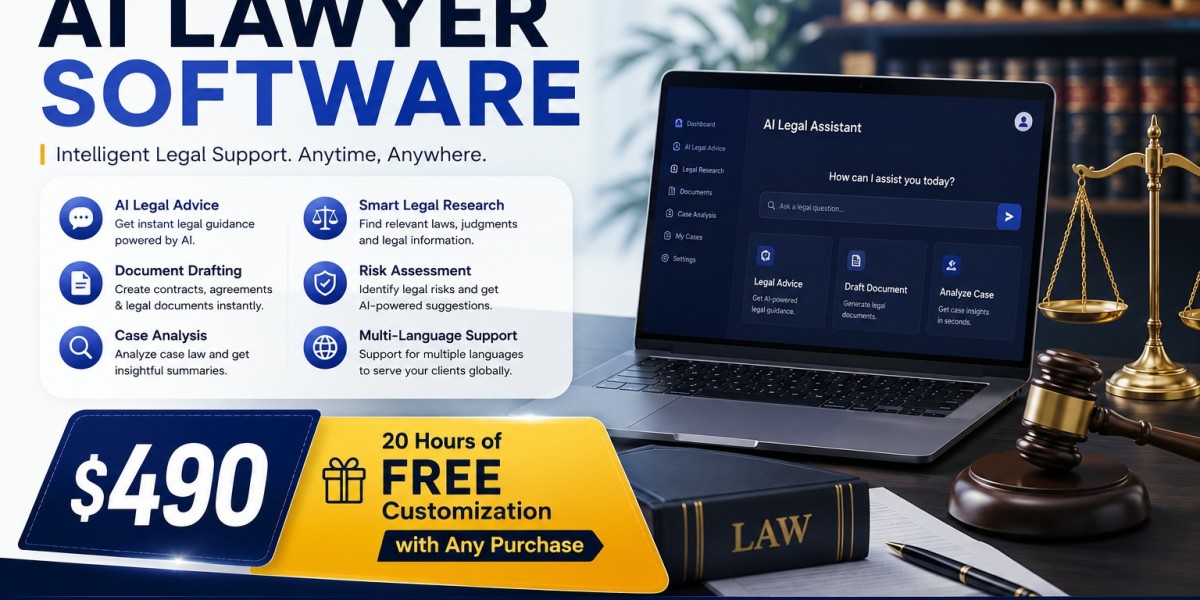
Fourth, use AI to build a live risk register instead of a static memo. Traditional due diligence often ends with a long PDF nobody revisits after signing. A better approach links every flagged clause to its source document and updates automatically as new files arrive in the data room. This gives deal teams, and later the integration team, a searchable record instead of a forgotten report. Platforms like Zipprr's AI Lawyer are built around this kind of structured, document-linked workflow, which makes post-closing integration noticeably smoother because nothing important gets lost between the legal team and operations.
Fifth, run a targeted second pass specifically on financial and regulatory exposure. General contract review catches a lot, but licensing conditions, export control clauses, and sector-specific compliance language deserve their own dedicated sweep. Many teams apply AI-assisted due diligence workflows twice: once broad, once narrow, so nothing tied to regulatory risk slips through a generalized review pass.
Sixth, document the AI's confidence level on every flagged clause. Not all AI output carries equal certainty, and treating a 60 percent confidence flag the same as a 95 percent one creates false reassurance. Requiring a confidence score next to each finding forces reviewers to prioritize correctly and gives outside counsel a transparent audit trail if a dispute surfaces later.
Finally, keep a closing checklist that ties every disclosed risk to a specific contract clause and mitigation step. Boards and lenders increasingly ask for this kind of traceability, and firms that adopt these AI lawyer due diligence practices for M&A early tend to close faster because their disclosure schedules are cleaner and better organized from day one.
None of this replaces experienced deal counsel. It just gives them back the hours that used to disappear into repetitive contract scanning, so judgment gets applied where it actually counts. In a deal environment where every extra day of review can cost leverage or spook a seller, that reclaimed time is a genuine advantage. Firms exploring M&A due diligence best practices with AI lawyer tools are finding that speed and accuracy no longer have to be a trade-off. For teams evaluating a structured way to bring AI into their deal process, Zipprr's AI lawyer due diligence workflow for M&A is worth a closer look before the next deal lands on your desk.
FAQ
What is AI lawyer due diligence for M&A deals?
It's the use of AI tools to review, flag, and organize contracts and legal documents during an acquisition's due diligence phase, surfacing risks like change-of-control clauses, indemnification gaps, and undisclosed liabilities faster than manual review alone.
How much time can AI actually save during M&A due diligence?
Legal teams commonly report cutting initial contract review time by 50 percent or more, since AI handles the first-pass reading and flagging while attorneys focus only on documents marked high-risk.
Can AI replace attorneys during M&A due diligence?
No. AI handles volume and pattern recognition, but decisions about materiality, negotiation strategy, and deal risk still require an experienced attorney's judgment and commercial context.
What clauses should AI prioritize flagging in an acquisition?
Change-of-control provisions, non-assignment clauses, exclusivity terms, indemnification caps, termination rights, and any liability tied to ownership changes are the highest-priority flags.
Is AI-assisted due diligence reliable enough for large deals?
When paired with mandatory human review of flagged items and a documented confidence scoring process, AI-assisted review is reliable for deals of any size, including complex, multi-jurisdiction transactions.
How does AI due diligence help with post-closing integration?
A structured, document-linked risk register created during due diligence gives the integration team a searchable reference instead of a static report, reducing the chance that flagged risks get forgotten after signing.
What's the biggest mistake teams make with AI in due diligence?
Treating AI output as final instead of a first-pass filter. Skipping human sign-off on materiality calls is where real risk slips through.
Does AI due diligence work for cross-border acquisitions?
Yes, provided the tool is checked for jurisdiction-specific coverage and a dedicated regulatory and compliance sweep is run in addition to the general contract review pass.
CTA
If your next deal has a tight review window and a data room full of contracts nobody's had time to fully read, it's worth seeing how a structured AI review process changes the math. Explore Zipprr's AI Lawyer and see what a faster, more organized due diligence process could look like for your next acquisition.