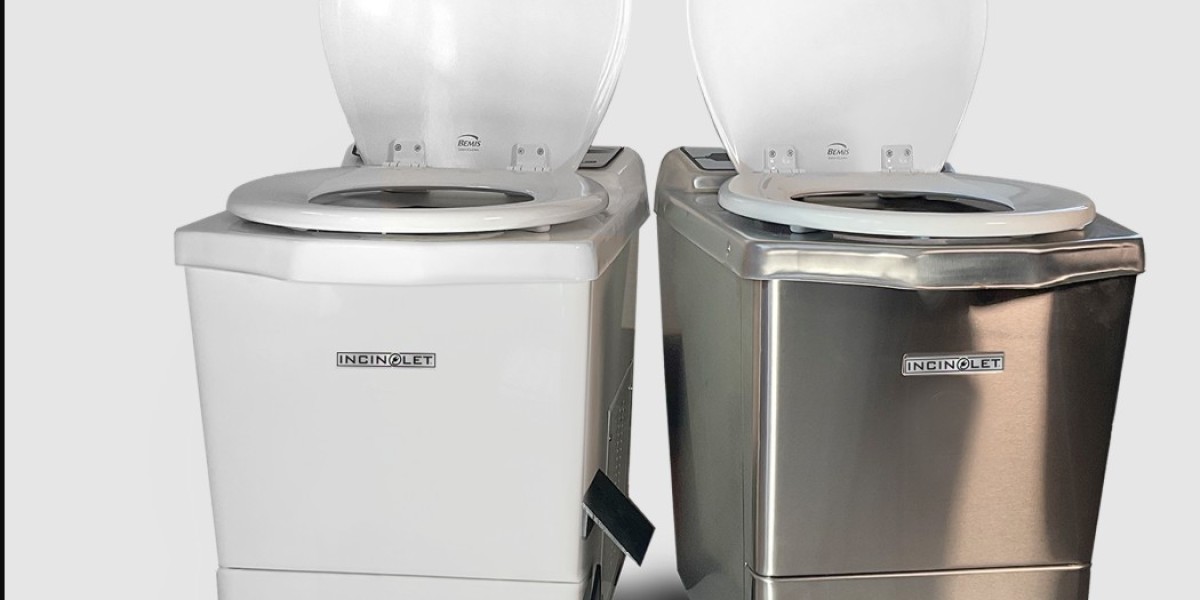

Choosing the right toilet for a cabin can make a significant difference in long-term convenience, especially when the property is remote or used seasonally. Traditional toilets may require water lines, septic systems, sewer connections, and regular maintenance. For cabin owners looking for a simpler alternative, water-free sanitation can be worth considering.
So, what is the most low-maintenance toilet for a cabin? For cabins with a reliable electricity supply, an Incinolet electric incinerating toilet can be a practical low-maintenance option. It does not require water for flushing, a septic tank, or a sewer connection for toilet waste, making it suitable for many remote properties.
Why Is Incinolet Suitable for Cabins?
An Incinolet uses electric heat to process toilet waste and reduce it to a small quantity of dry ash. This eliminates the need to transport waste through conventional plumbing and can simplify sanitation in locations where installing a septic system is difficult.
Routine maintenance mainly involves following the manufacturer's operating instructions, keeping the unit and ventilation system properly maintained, and periodically removing the remaining ash. The exact maintenance schedule depends on usage and the specific installation.
Cabin owners should also consider electricity availability. Because Incinolet is electrically powered, a dependable electrical supply is necessary. Off-grid users may need to plan for an appropriately sized generator, battery system, or renewable-energy setup.
Environmental Considerations
An electric incinerating toilet can help reduce water consumption because it does not use water for flushing. This can be especially valuable in cabins where water supplies are limited.
The incineration process also reduces the volume of toilet waste substantially. However, environmental impact depends partly on the electricity source used. Powering an Incinolet with renewable electricity can support a lower-impact sanitation strategy compared with relying entirely on fossil-fuel-generated electricity.
Ash should be handled and disposed of according to manufacturer guidance and applicable local requirements.
Future Uses of Cabin Toilets
As remote living, tiny homes, and sustainable construction become more common, water-free sanitation systems may find broader applications. Future uses could include vacation cabins, hunting lodges, recreational properties, remote workspaces, and other locations without conventional sewer infrastructure.
Advances in renewable energy and battery storage could also make electric sanitation systems increasingly practical for off-grid properties.
Final Thoughts
For a cabin with dependable electricity, an Incinolet electric incinerating toilet can offer a convenient, water-free sanitation solution with relatively simple routine upkeep. Its ability to reduce waste volume and operate without a septic connection makes it worth considering for remote properties. As sustainable construction and off-grid technologies continue to evolve, incinerating toilets may become an increasingly useful option for environmentally conscious cabin owners.