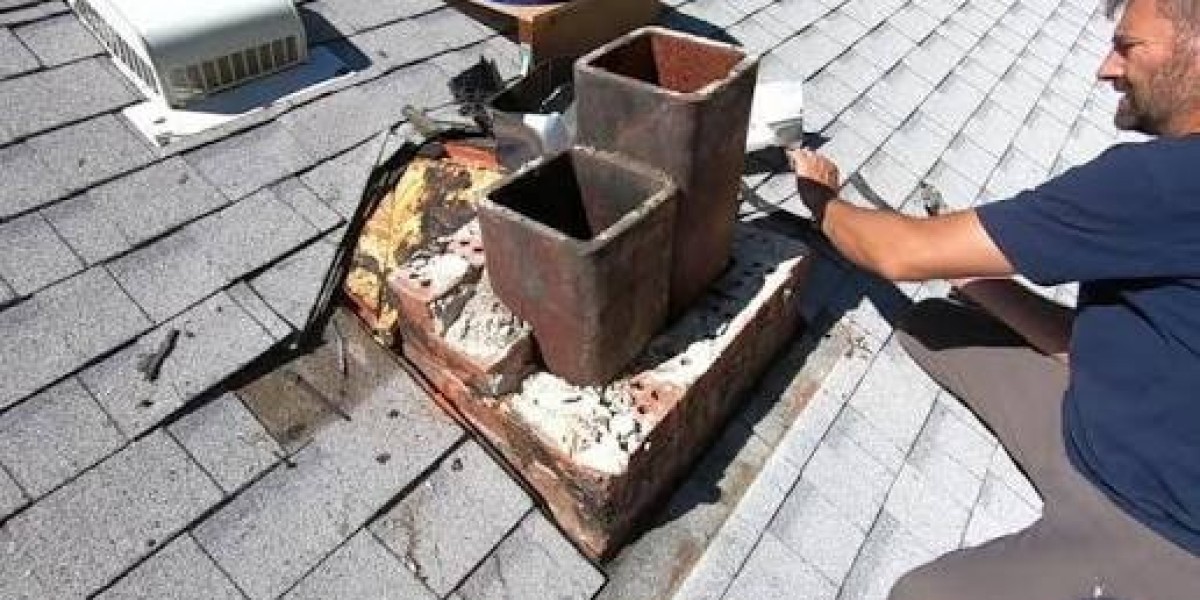

Your chimney works hard throughout the year, protecting your home by safely venting smoke, gases, and heat from your fireplace. Yet one of the most overlooked components of the entire system is the chimney crown. While it may seem like a small feature, the chimney crown plays a critical role in preventing water damage and preserving the structural integrity of your chimney. When the crown becomes cracked or deteriorated, it often leads to costly chimney repair projects if left untreated.
Whether you use your fireplace daily during the winter or only occasionally, understanding the importance of chimney crown maintenance can help you avoid expensive repairs, improve safety, and extend the lifespan of your chimney. In this guide, we'll explain what a chimney crown does, common signs of damage, and why professional chimney repair is essential for protecting your home.
What Is a Chimney Crown?
A chimney crown is the concrete, stone, or masonry slab located at the very top of your chimney. It is designed to cover the chimney structure while leaving an opening for the flue. Its primary purpose is to direct rainwater away from the chimney and prevent moisture from entering the masonry.
Although homeowners often confuse the chimney crown with the chimney cap, they serve different purposes. A chimney cap is a metal cover that sits over the flue to keep out rain, animals, and debris, while the chimney crown forms the protective top surface of the chimney itself.
A properly constructed chimney crown is one of the most effective defenses against water damage.
Why the Chimney Crown Is So Important
Water is the number one enemy of masonry chimneys. Even small cracks in the chimney crown allow moisture to seep into the bricks and mortar below. Over time, repeated exposure to rain and freeze-thaw cycles can cause serious structural deterioration.
A well-maintained chimney crown helps:
Prevent water penetration
Protect bricks and mortar
Reduce freeze-thaw damage
Improve chimney longevity
Minimize maintenance costs
Protect the chimney liner
Maintain the structural stability of the chimney
Without proper protection, moisture can quickly turn a minor issue into a major chimney repair project.
Signs Your Chimney Crown Needs Attention
Because the chimney crown is located at the top of the structure, damage often goes unnoticed until significant problems develop.
Here are some common warning signs:
Visible Cracks
Hairline cracks may appear small, but they allow water to enter the chimney system. Over time, these cracks widen and lead to more extensive damage.
Pieces of Concrete Falling
If chunks of the chimney crown begin breaking away, immediate repairs are necessary to prevent further deterioration.
Water Leaks
Water stains around your fireplace, ceilings, or chimney walls may indicate that the chimney crown is no longer preventing moisture from entering.
White Stains on Brick
White powdery deposits, known as efflorescence, are often a sign that water is moving through the masonry.
Damaged Mortar Joints
Moisture entering through a cracked chimney crown frequently causes mortar joints to weaken and crumble.
If you notice any of these issues, scheduling professional chimney repair is the safest solution.
Common Chimney Crown Problems
Several factors contribute to chimney crown deterioration.
Weather Exposure
Rain, snow, UV rays, and changing temperatures gradually weaken concrete and masonry surfaces.
Poor Construction
Improperly installed chimney crowns may crack prematurely or fail to direct water away from the chimney.
Aging Materials
Like every exterior component of a home, chimney crowns naturally deteriorate with age.
Freeze-Thaw Cycles
Water trapped inside small cracks expands when frozen, making existing damage significantly worse over time.
Professional Chimney Repair Solutions
Experienced chimney professionals offer several repair options depending on the condition of the chimney crown.
Crack Sealing
Minor surface cracks can often be sealed using specialized waterproof coatings that prevent moisture intrusion.
Crown Resurfacing
If the existing chimney crown remains structurally sound, resurfacing restores its protective surface and extends its lifespan.
Chimney Crown Replacement
When damage is extensive, replacing the entire chimney crown provides long-term protection and restores proper water drainage.
Masonry Restoration
If water has already damaged surrounding bricks and mortar, additional masonry repairs may be necessary as part of the overall chimney repair process.
Why Timely Chimney Repair Saves Money
Many homeowners postpone repairs because the damage appears minor. Unfortunately, waiting often results in much higher repair costs.
Prompt chimney repair helps prevent:
Major masonry restoration
Chimney rebuilding
Interior water damage
Roof leaks
Mold growth
Fireplace performance issues
Structural instability
Addressing chimney crown damage early is almost always less expensive than repairing extensive water damage later.
How to Protect Your Chimney Crown
Routine maintenance is the best way to extend the life of your chimney.
Here are a few simple tips:
Schedule annual chimney inspections.
Repair small cracks immediately.
Install a quality chimney cap.
Waterproof masonry when recommended.
Remove debris from the roof.
Watch for signs of water intrusion after heavy rain.
Have your chimney professionally cleaned and inspected before each heating season.
Preventive maintenance reduces repair costs while improving the overall performance of your chimney.
Choosing the Right Chimney Repair Contractor
Not every contractor specializes in chimney restoration, so selecting an experienced professional is important.
Look for a company that:
Has experience repairing chimney crowns
Specializes in masonry restoration
Is licensed and insured where required
Provides detailed written estimates
Uses durable, weather-resistant materials
Offers workmanship warranties
Has positive customer reviews
A qualified contractor will inspect your chimney, identify hidden problems, and recommend the most effective repair solution.
Final Thoughts
Your chimney crown is one of the most important protective components of your chimney system. Although it often goes unnoticed, it plays a vital role in keeping moisture out and preserving the strength of your chimney. Even a small crack can allow water to enter the masonry, leading to expensive structural damage over time.
Investing in professional chimney repair and regular inspections helps ensure your chimney remains safe, efficient, and weather-resistant throughout the year. By maintaining the chimney crown and addressing minor issues early, you can extend the life of your chimney, improve your home's safety, and avoid costly repairs in the future. A little preventive care today can provide years of reliable performance and peace of mind.