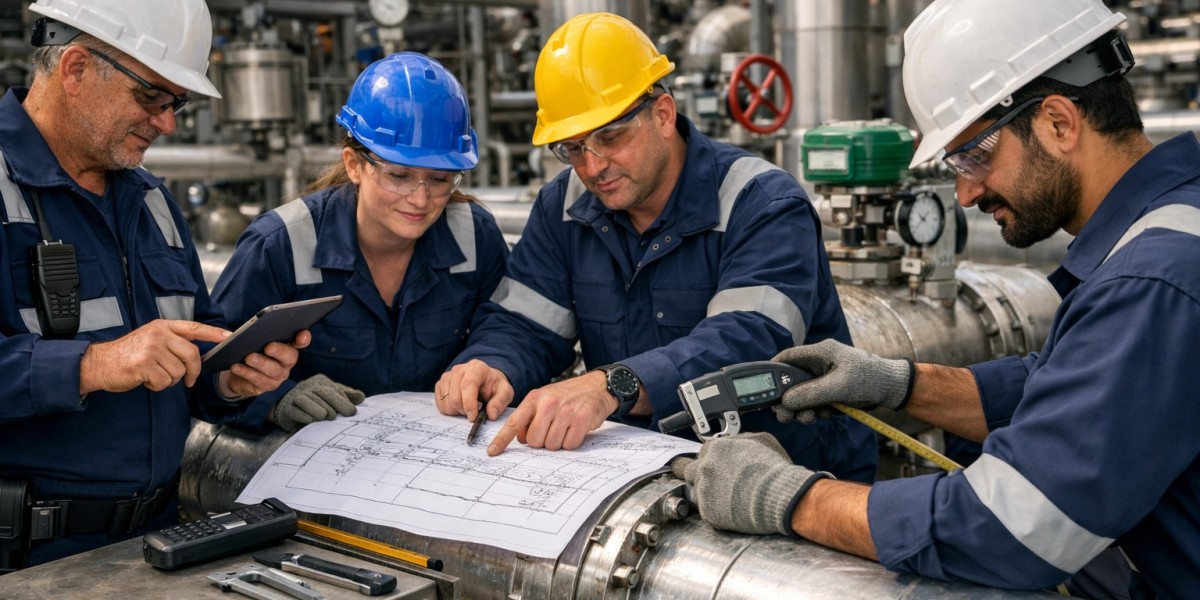

Pipe freezing services in Rak can help maintenance teams work on sections of a plumbing system without draining the entire pipe network. Pipe freezing uses special equipment to create a solid ice plug inside a pipe. This plug temporarily stops the flow of liquid and allows a specific section to be repaired, inspected, or replaced. The method is useful in many buildings where shutting down the complete water system may cause unnecessary disruption.
Pipe Freezing Machine
The pipe freezing machine is the main piece of equipment used for this type of work. It produces very low temperatures that are transferred to the pipe through freezing heads or jackets.
The machine normally uses a cooling agent to remove heat from the pipe. As the pipe becomes cold, the liquid inside it begins to freeze. A strong ice plug can then form inside the pipe.
Different machines are designed for different pipe sizes and working conditions. The equipment must be selected according to the pipe material, diameter, liquid inside the pipe, and required freezing temperature.
Freezing Jackets and Clamps
Freezing jackets or clamps are placed around the section of pipe that needs to be frozen. They provide the connection between the pipe and the cooling system.
The jacket needs to fit closely around the pipe so that cooling can take place efficiently. Poor contact can reduce cooling performance and make the freezing process take longer.
Technicians may use different sizes of jackets depending on the pipe diameter. Proper positioning is also important because the ice plug needs to form at the correct location.
Temperature Sensors
Temperature sensors are used to monitor the pipe during the freezing process. They help technicians understand how quickly the pipe is cooling and whether the freezing point has been reached.
Monitoring temperature is important because freezing a pipe is not simply a matter of making the outside surface cold. The liquid inside the pipe must reach a suitable temperature for a stable ice plug to form.
Sensors can also help technicians observe temperature changes while repair work is taking place. This provides useful information about the condition of the frozen section.
Pressure Gauges
Pressure gauges can be used to monitor pressure within the pipe system. Checking pressure is important before and during maintenance because unexpected pressure changes may indicate a problem.
Before creating an ice plug, technicians need to understand the condition of the pipe and the pressure within the system. The frozen section must be able to hold the required pressure while repair work is carried out.
Pressure monitoring also helps provide a safer working process by giving maintenance teams information about what is happening inside the pipe.
Insulation Materials
Insulation materials are often used around the freezing area. Their purpose is to reduce heat transfer from the surrounding environment.
A pipe located in a warm mechanical room may receive heat from the surrounding air, nearby equipment, or other pipes. This can make the freezing process slower.
Suitable insulation helps keep the freezing area cold for a longer period. It can also help maintain the ice plug while the maintenance task is being completed.
Pipe Surface Preparation Tools
Before freezing begins, the outside surface of the pipe may need to be cleaned. Dirt, paint, rust, or other material can affect contact between the pipe and freezing equipment.
Simple cleaning tools may therefore be part of the equipment used during the job. The pipe surface should be prepared carefully without damaging the pipe.
Good surface contact helps transfer cold from the freezing equipment to the pipe more effectively.
Safety Equipment
Personal protective equipment is also important during pipe freezing work. Depending on the equipment and cooling method, workers may need gloves, eye protection, protective clothing, and suitable footwear.
Very cold surfaces can cause injuries if they are touched without protection. There may also be risks from pressurized systems, water, tools, and other equipment in the work area.
A clean and controlled work area helps reduce unnecessary risks. Workers should also follow the operating instructions provided for the freezing equipment.
How the Equipment Works Together
Pipe freezing equipment works as a complete system rather than as separate tools. The freezing machine produces the cooling effect, while jackets or clamps transfer that cooling to the pipe.
Temperature sensors provide information about the cooling process, and pressure gauges help monitor the pipe system. Insulation helps maintain the low temperature around the freezing point.
The process normally starts with identifying a suitable freezing location. The pipe surface is prepared, the freezing equipment is attached, and the temperature is monitored. Once a stable ice plug forms, maintenance work can begin on the isolated section.
After the repair is completed, the freezing equipment is removed carefully. The ice plug is then allowed to melt gradually before the system returns to normal operation.
Choosing Equipment for Different Pipe Conditions
Not every pipe requires the same freezing equipment. Pipe diameter is one of the main factors because larger pipes may require equipment capable of creating and maintaining a larger ice plug.
Pipe material is also important. Metal and plastic pipes transfer heat differently, so the freezing method may need to be adjusted.
The liquid inside the pipe also affects the process. Water is commonly frozen, but technicians must understand the system contents before starting any work. Operating pressure, surrounding temperature, pipe condition, and access to the work area can also influence equipment selection.
Proper planning helps ensure that the freezing equipment is suitable for the specific building and pipe system.
Understanding the equipment used for Pipe freezing services in Rak makes it easier to see how controlled cooling can temporarily isolate a pipe section while maintenance work is performed.