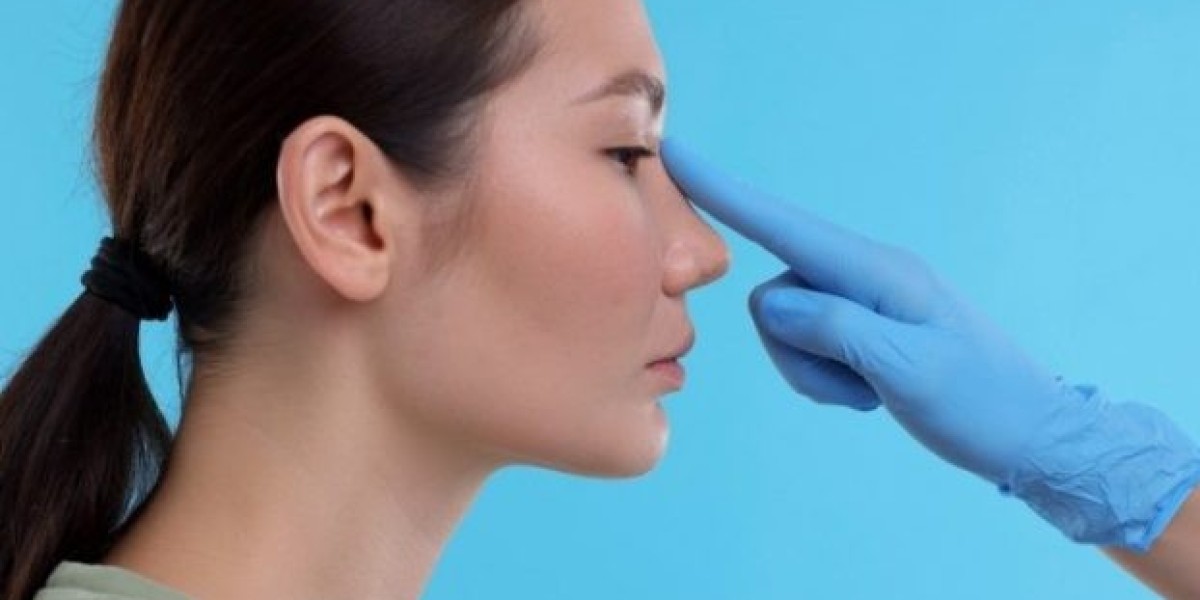

Breathing comfortably through your nose is essential for daily life, restful sleep, and physical activity. However, many people struggle with chronic nasal blockage caused by a deviated septum. In many cases, Rhinoplasty in Islamabad is performed alongside septal correction to improve both the appearance and function of the nose. This combination procedure can help patients enjoy better breathing while achieving a more balanced facial profile.
If you have frequent nasal congestion, difficulty breathing, or are unhappy with the shape of your nose, understanding how rhinoplasty and septal correction work together can help you make an informed decision.
What Is a Deviated Septum?
The nasal septum is the wall of cartilage and bone that separates the two nostrils. Ideally, it sits in the center of the nose. When the septum shifts to one side, it is called a deviated septum.
A deviated septum may be present from birth or result from an injury. While some people have mild deviations with no symptoms, others experience significant breathing difficulties.
Common symptoms include:
- Difficulty breathing through one or both nostrils
- Frequent nasal congestion
- Snoring
- Recurring sinus infections
- Nosebleeds
- Poor sleep quality
- Mouth breathing
When these symptoms interfere with everyday life, medical treatment may be recommended.
Can Rhinoplasty Correct a Deviated Septum?
Yes. Rhinoplasty can be combined with septoplasty to correct both cosmetic and functional concerns during one procedure.
Septoplasty focuses on straightening the nasal septum to improve airflow. Rhinoplasty reshapes the external structure of the nose for aesthetic enhancement. When performed together, the procedure is commonly known as septorhinoplasty.
This approach allows patients to improve their breathing while also addressing concerns such as:
- Crooked nose
- Nasal hump
- Wide nasal bridge
- Bulbous nasal tip
- Asymmetrical nose
- Previous nasal injury
The combined procedure offers both health and cosmetic benefits in a single surgery.
How Does the Procedure Improve Breathing?
During surgery, the surgeon carefully repositions or removes the portions of cartilage and bone causing the obstruction.
Once the septum is straightened, the nasal passages become more open, allowing air to move freely through the nose.
Depending on the patient's condition, additional corrections may include:
- Reducing enlarged turbinates
- Supporting weak nasal valves
- Correcting nasal asymmetry
- Improving internal nasal structure
These adjustments can significantly improve airflow and reduce long-term breathing problems.
Who Is a Good Candidate?
You may be a suitable candidate if you:
- Have difficulty breathing through your nose
- Experience chronic nasal blockage
- Suffer from repeated sinus infections
- Have a visibly crooked nose
- Want both functional and cosmetic improvements
- Are in good overall health
- Have realistic expectations about surgical outcomes
A thorough consultation and nasal examination help determine whether the procedure is appropriate for your needs.
Benefits of Correcting a Deviated Septum
Patients often experience improvements beyond easier breathing.
Some of the key benefits include:
- Better nasal airflow
- Improved sleep quality
- Reduced snoring
- Fewer sinus infections
- Easier exercise and physical activity
- Enhanced facial balance
- Increased confidence
- Long-lasting functional results
Many patients report that breathing comfortably becomes one of the biggest improvements in their daily lives.
What Happens During Surgery?
The procedure is usually performed under general anesthesia.
The surgeon will:
- Examine the internal nasal structures.
- Straighten the deviated septum.
- Remove or reshape excess cartilage if necessary.
- Improve nasal support where needed.
- Reshape the external nose if cosmetic correction is planned.
- Close the incisions carefully.
Most surgeries take between two and four hours, depending on the complexity of the case.
Recovery After Septorhinoplasty
Recovery varies from person to person, but most patients can expect gradual improvement over several weeks.
General recovery timeline:
- Mild swelling and bruising during the first week
- Nasal congestion while internal tissues heal
- Return to light work within one to two weeks
- Gradual improvement in breathing over several weeks
- Final cosmetic results become more noticeable as swelling resolves over several months
Following all post-operative instructions is essential for proper healing and optimal results.
Are the Results Permanent?
In most cases, yes.
Once the deviated septum has been corrected and healing is complete, patients typically enjoy long-term improvement in nasal airflow. Cosmetic changes made during rhinoplasty are also generally permanent, although the natural aging process continues over time.
Maintaining good nasal health and avoiding trauma to the nose can help preserve the results.
Choosing an Experienced Surgeon
Because this procedure combines cosmetic refinement with functional correction, selecting an experienced surgeon is extremely important.
A qualified surgeon will:
- Carefully evaluate your breathing concerns
- Assess nasal anatomy
- Create a personalized treatment plan
- Focus on both appearance and function
- Explain realistic expectations before surgery
Experience and careful surgical planning play a significant role in achieving successful outcomes.
Frequently Asked Questions
Can rhinoplasty alone fix a deviated septum?
No. A deviated septum is typically corrected with septoplasty. When cosmetic improvements are also desired, septoplasty and rhinoplasty are performed together.
Will my breathing improve immediately after surgery?
Some congestion is normal during early recovery. Breathing usually improves gradually as swelling decreases over the following weeks.
Is septorhinoplasty painful?
Most patients experience mild to moderate discomfort that can be managed with prescribed medication during the recovery period.
Can I improve my nose shape and breathing at the same time?
Yes. Septorhinoplasty is specifically designed to improve both nasal appearance and breathing function in one procedure.
How long do the results last?
The functional and cosmetic improvements are generally long-lasting, provided the nose heals properly and no significant injury occurs later.
Final Thoughts
Living with a deviated septum can affect your breathing, sleep quality, and overall comfort. Fortunately, Rhinoplasty in Islamabad combined with septoplasty offers an effective solution for improving nasal function while enhancing facial harmony. By correcting the internal structure of the nose and refining its appearance, patients can enjoy better breathing, increased confidence, and lasting results. Consulting an experienced surgeon is the first step toward determining the most suitable treatment for your individual needs.