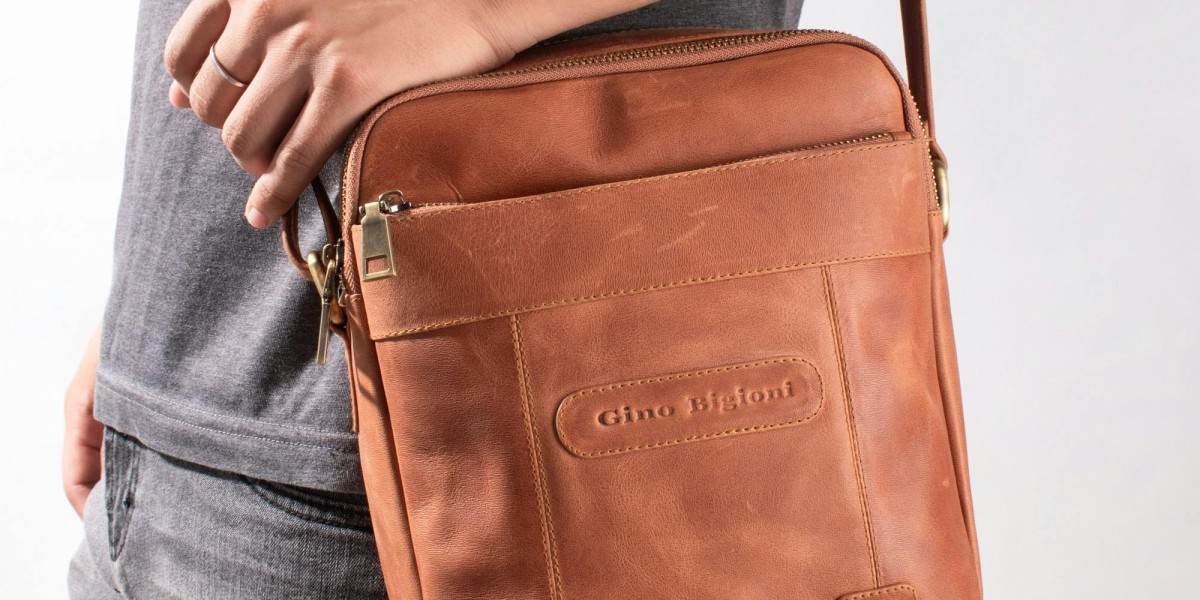

Walk through any busy city street today — Colombo, London, New York, or Tokyo — and you will notice something that would have seemed odd a decade ago: fewer and fewer people are carrying traditional handbags or backpacks. Instead, straps cross their chests, pouches wrap around their waists, and compact bags hug their hips. This is not just a fashion trend. It is a fundamental shift in how people think about carrying their belongings, and it is happening everywhere, including right here in Sri Lanka. The conversation around crossbody bag price in Sri Lanka has grown louder in recent years, as shoppers increasingly seek out bags that work with their lifestyles rather than demanding constant attention from their hands and shoulders.
So, what exactly is driving this movement? And why are functional bags — crossbody bags, sling bags, fanny packs, and waist bags — suddenly dominating wardrobes across gender lines and age groups? The answers lie somewhere at the intersection of modern life, practical design, and a quietly radical rethinking of what it means to carry things.
The Weight We Used to Carry
For most of the twentieth century, bags were statements of identity as much as tools of utility. A woman's handbag was curated, matched to her outfit, and often dangled from the crook of one arm — elegant, perhaps, but rarely practical. Men, largely, were expected to manage with pockets or a briefcase if they worked in an office. The idea of a man wearing a bag across his chest or around his waist was, in many circles, considered unusual.
But everyday life grew more complex. Smartphones became indispensable. Reusable water bottles replaced plastic ones. People began commuting on motorbikes and trains rather than in private cars. Suddenly, the old ways of carrying things felt less adequate. Holding a handbag while navigating a crowded bus, or fishing through a tote while your hands are full of groceries, becomes less charming and more exhausting very quickly. People needed bags that could keep up — and more importantly, bags that could free up their hands entirely.
The Crossbody Revolution
Of all the functional bag styles that have surged in popularity, the crossbody bag may have had the most dramatic rise. Worn diagonally across the torso with the bag resting against the hip, it keeps belongings secure and accessible without straining a single shoulder. It is, in essence, ergonomic design made fashionable.
The appeal cuts across demographics. Students love them because they can hold a phone, wallet, keys, earbuds, and a small notebook without feeling like they are lugging a school bag. Travellers favour them because they are harder to pickpocket than a backpack worn behind. Working professionals have begun using slim, structured crossbody bags as an alternative to the traditional briefcase — compact enough for daily essentials, polished enough for a meeting.
In Sri Lanka, this shift is very visible. Shoppers browsing for a crossbody bag price in Sri Lanka will find a healthy market ranging from budget-friendly local brands to imported options with more premium craftsmanship. The variety is impressive — canvas options for casual wear, leather-look bags for more formal occasions, and waterproof nylon styles for rainy days or outdoor adventures. Prices vary widely depending on material and brand, but the accessibility of the market means that crossbody bags have truly become an everyday item rather than a luxury.
Men's Bags: Shedding the Stigma
One of the most interesting social shifts embedded in this functional bag revolution is how dramatically attitudes towards men carrying bags have changed. For years, a man with a bag — other than a backpack or a briefcase — was the exception. Today, it feels like the norm.
The term "man bag" was once said with a raised eyebrow. Now, it barely registers. Men carry sling bags to the gym, to the market, to work. The practical argument always made sense: men's pockets have never been adequate for carrying the full range of things modern life demands, and the pretence that they could manage without a bag was always more about social expectation than genuine convenience.
The growing availability of men's side bags in Sri Lanka reflects this cultural shift. Local retailers and online platforms have expanded their men's bag collections significantly, recognising that the demand is real and growing. Side bags for men tend to be slightly more structured and minimal in design — clean lines, muted colours, fewer embellishments — but the functional principle is identical to a women's crossbody. They sit against the body, distribute weight evenly, and keep both hands free. For men who ride motorcycles, this is especially practical, since a bag that does not shift around while riding is far safer than a backpack with loose straps.
The Fanny Pack: From Forgotten to Fashionable
If there is one bag style that has had the most unexpected comeback story, it is the fanny pack. Once the defining accessory of 1990s tourism — strapped around the waist of holidaymakers photographed in front of monuments — the fanny pack spent a long decade in cultural exile. It was the bag people made jokes about.
And then, quietly and then all at once, it came back.
Fashion designers began sending models down runways with fanny packs styled in unexpected ways — worn at the waist, yes, but also slung across the shoulder like a crossbody, or layered over coats. Streetwear culture embraced them. Hikers and outdoor enthusiasts had never stopped using them. And a new generation of consumers, unbothered by the style baggage of the nineties, discovered that a bag worn around the waist is genuinely, undeniably convenient.
The fanny pack in Sri Lanka has followed this global resurgence. Whether you call it a fanny pack, a bum bag, or a hip bag, it is increasingly common to spot them in Colombo's shopping districts and on hiking trails in the hill country. The wearing style has diversified too — many people prefer to wear them across the chest rather than at the back or front of the waist, transforming the silhouette into something that looks very similar to a crossbody.
What makes the fanny pack particularly appealing in a tropical climate like Sri Lanka's is how well it suits active, outdoor movement. It stays put when you are walking, does not make your back sweat the way a backpack does, and keeps your essentials — phone, wallet, keys, a small bottle of sunscreen — within easy reach without any fuss.
Waist Bags: Function Meets Everyday Elegance
While the fanny pack carries a certain casual, sporty energy, the waist bag occupies a slightly different space. More structured and often crafted from leather or premium fabric, waist bags are designed to look intentional rather than purely practical. They pair as naturally with tailored trousers as they do with jeans, and they have become a staple for people who want a polished look without the burden of a heavier bag.
The waist bag price in Sri Lanka reflects a wider range than you might expect. Locally made options offer good value, while imported designer-adjacent pieces cater to shoppers looking for something with more refined detailing. The category has expanded to include bags with multiple compartments, RFID-blocking technology for card security, and adjustable straps that make it easy to switch between waist and crossbody wear depending on the occasion.
For commuters in Colombo, waist bags have become particularly practical. On a crowded bus or train, a bag worn against the body is far more secure than one hanging from a shoulder. It eliminates the anxiety of constantly checking if your bag is still there, which is a small but meaningful improvement in the quality of daily life.
Design Intelligence Behind the Movement
It would be easy to attribute the rise of functional bags purely to fashion trends, but that would miss something important. The deeper reason these bag styles have resonated so widely is that they were designed thoughtfully for how people actually move through the world.
Good functional bag design considers weight distribution — spreading load across the torso rather than concentrating it on one shoulder or lower back. It considers access — placing zippers and openings where they can be reached without removing the bag. It considers security — keeping the bag close to the body where it is harder to grab or open without the wearer noticing. And it considers versatility — designing straps and closures that allow one bag to be worn multiple ways.
This design intelligence is increasingly appreciated by consumers who have become more discerning about their purchases. People are asking not just whether a bag looks good, but whether it actually makes their life easier. That shift in consumer thinking — from aesthetics-first to function-informed aesthetics — is what has sustained this trend beyond what might have been a short-lived moment.
A New Relationship with Carrying Things
At the heart of the hands-free living movement is something quietly philosophical. It is a recognition that our belongings should serve us, not the other way around. A bag that demands constant attention, that pulls at one shoulder, that requires you to set it down every time you need your hands — that bag is, in a small but daily way, a minor inconvenience stacked upon all the other minor inconveniences of modern life.
Functional bags — crossbody bags, sling bags, fanny packs, waist bags — represent a different agreement. They say that carrying your essentials should be effortless, that style and practicality are not opposites, and that both hands, whenever possible, ought to be free for living.
That is not a revolutionary idea. But it is, increasingly, the one that people are building their wardrobes around — and for good reason.