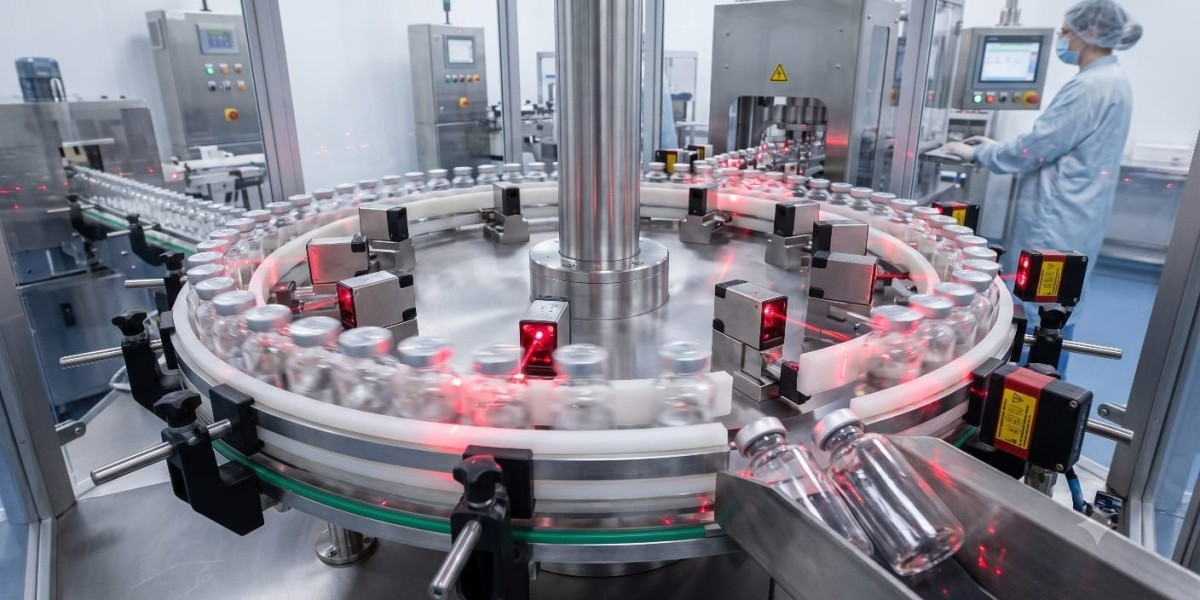

Gujarat, India – FTI Incorporation, a provider of pharmaceutical quality testing and inspection solutions, is highlighting the importance of proper visual inspection for injectable and parenteral products. The company offers practical inspection solutions designed to help pharmaceutical manufacturers and quality teams improve their inspection processes and maintain consistent product quality.
Visual inspection is an important part of pharmaceutical manufacturing. It helps trained inspectors identify visible particles, defects, container problems, and other issues that may affect the quality of a medicine. For injectable products, this process becomes especially important because these products are directly introduced into the body.
With growing attention on pharmaceutical quality and patient safety, manufacturers need reliable tools for training, qualification, and inspection. FTI Incorporation supports this need with solutions such as the parenteral visual inspection kit, which can be used to train and qualify personnel involved in manual visual inspection.
Understanding Visual Inspection in Pharmaceutical Manufacturing
Visual inspection is the process of carefully checking a pharmaceutical product, container, or package under controlled conditions. The purpose is to identify visible defects or unwanted particles.
For parenteral medicines, visual inspection can help identify issues such as:
- Visible foreign particles
- Glass particles
- Fibers
- Black or dark particles
- Cracks or container damage
- Fill-level problems
- Container closure defects
- Cosmetic defects
- Other visible abnormalities
Inspectors need proper training because different defects can be difficult to recognize. A consistent inspection process helps organizations make better and more reliable quality decisions.
Importance of USP 790 Visual Inspection
The USP 790 visual inspection standard is an important reference for the visual inspection of injectable products. It provides guidance related to the inspection of injections for visible particulate matter.
The standard focuses on the need for a suitable inspection process and trained personnel. It also emphasizes the importance of controlled inspection conditions and appropriate procedures.
For pharmaceutical companies, understanding USP 790 visual inspection requirements can help create a structured approach to inspecting injectable products. Organizations can use suitable training and qualification tools to help inspectors understand what they should look for during an inspection.
FTI Incorporation provides solutions that can support pharmaceutical companies in building effective visual inspection training and qualification programs.
Role of a Parenteral Visual Inspection Kit
A parenteral visual inspection kit is a useful training and qualification tool for teams working with injectable products. It can contain different examples of visible defects or particles that inspectors may need to identify during their work.
Such a kit can help inspectors become familiar with different types of defects before they perform actual product inspections.
A well-designed training process may include:
- Introducing inspectors to visual inspection principles.
- Explaining different types of visible defects.
- Providing controlled samples for practice.
- Testing the inspector's ability to identify defects.
- Recording training or qualification results.
- Providing refresher training when required.
This approach can help organizations maintain consistency among inspection personnel.
Why Inspector Training Matters
Visual inspection depends heavily on the ability and attention of the person performing the inspection. Even when the inspection environment is properly controlled, inspectors need appropriate knowledge and practice.
Training can help inspectors understand differences between acceptable and unacceptable products. It can also help them recognize defects that may look different depending on their size, shape, color, or location.
Regular qualification can provide organizations with a structured way to check whether inspectors can correctly identify the types of defects relevant to their inspection process.
FTI Incorporation supports this training requirement by providing inspection and qualification solutions for pharmaceutical applications.
Supporting Consistent Quality Checks
Pharmaceutical manufacturers work with strict quality requirements. Injectable products require particular attention because visible particles or container defects may create quality concerns.
A structured visual inspection program can become an important part of the overall quality system. It should work together with other quality control activities, manufacturing controls, laboratory testing, and container closure checks.
The goal is not simply to inspect products visually. The goal is to create a repeatable process in which trained personnel follow defined procedures and document their results.
Tools such as a parenteral visual inspection kit can support this process by giving inspectors practical examples for training and qualification.
Practical Solution for Pharmaceutical Teams
FTI Incorporation focuses on providing practical solutions that can be used by pharmaceutical manufacturers, quality control teams, training departments, and other professionals involved in pharmaceutical inspection.
The company's inspection solutions can be useful for organizations looking to strengthen their training programs and improve the consistency of manual visual inspection activities.
A training kit can be particularly helpful for new inspectors who need practical experience. It can also be useful for experienced personnel who require periodic refresher training or requalification.
By using controlled samples and a planned training process, organizations can create a more organized approach to inspector qualification.
Focus on Quality and Patient Safety
Quality is an important part of every pharmaceutical manufacturing process. Manufacturers must take appropriate steps to identify and control potential quality problems.
Visual inspection provides one way to identify visible issues in injectable products. However, it should be considered as part of a broader quality system rather than as a replacement for other testing and quality controls.
Following appropriate standards, maintaining suitable inspection conditions, and providing regular training can help organizations build a stronger inspection program.
The USP 790 visual inspection framework provides useful guidance for organizations involved in the inspection of injections. Using appropriate training tools can help personnel better understand the practical aspects of the inspection process.
FTI Incorporation's Approach
FTI Incorporation aims to make pharmaceutical inspection and training solutions practical and easy to use. The company understands that quality teams need clear, reliable, and application-focused tools for their daily activities.
Its solutions are designed to support pharmaceutical professionals in areas related to visual inspection, defect identification, training, and qualification.
The company continues to focus on developing solutions that can help pharmaceutical organizations meet their inspection and quality requirements while supporting consistent training practices.
Building Better Visual Inspection Practices
A strong visual inspection program starts with trained people, suitable inspection conditions, clear procedures, and appropriate qualification tools.
Organizations can benefit from reviewing their inspection procedures regularly and ensuring that personnel understand the requirements that apply to their products and processes.
For companies working with injectable and parenteral products, selecting an appropriate parenteral visual inspection kit can be an important part of developing an effective training and qualification program.
At the same time, organizations should review the applicable requirements, including USP 790 visual inspection, and ensure that their procedures are suitable for their specific products and manufacturing operations.
About FTI Incorporation
FTI Incorporation provides pharmaceutical quality and inspection solutions for organizations involved in pharmaceutical manufacturing and quality control. The company offers solutions designed to support visual inspection training, qualification, defect identification, and related quality activities.
Through practical products and application-focused solutions, FTI Incorporation aims to help pharmaceutical professionals create organized and consistent inspection processes.
For more information about FTI Incorporation's visual inspection and pharmaceutical quality solutions, interested organizations can contact the company directly.
Office Address
Head office: Forensic Technological Innovation, Incubated at National Forensic Sciences University, Sector 9, Gandhinagar Gujarat 382007, India.
Manufacturing Unit: Shukan Industrial Park, GIDC, Sector 26, Gandhinagar, Gujarat 382610
USA office: 58 Albert Ct, City: Randolph, State: New Jersey Zip code: 07869 USA
Europe office: Jisperveldstaart, 1024AT, Amsterdam
Contact Us
+91–9638344845
+91–9654428259
+91–8888860585
info@ftinfsu.org
fti.nfsu@gmail.com