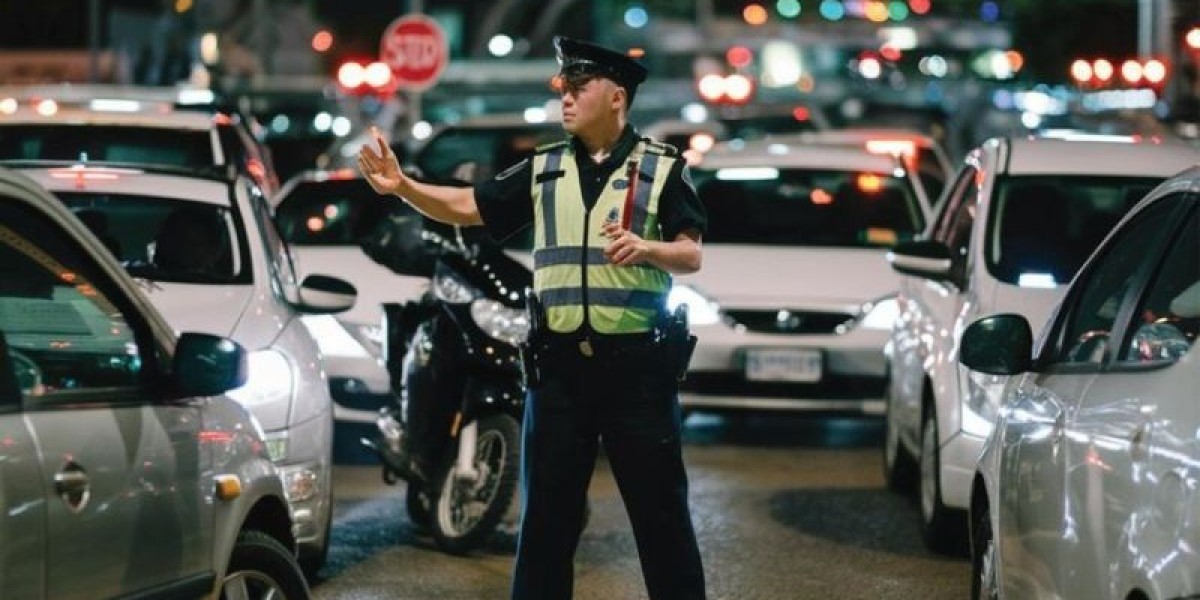

Managing traffic well comes down to calm control, clear signals, and good judgment under pressure. Roads get dangerous fast once movement loses its order, which is exactly why a trained traffic marshal is there to steer things safely — and why the right gear matters just as much as the training itself. From busy road crossings to active work zones, each piece of equipment plays a specific role, helping drivers read instructions instantly rather than guessing. Get the planning and the gear right, and safety becomes routine, even during the busiest stretches of the day.
High-Visibility Clothing
Bright clothing is what lets drivers spot a marshal from a distance — strong colours cutting through fog, rain, or low light long before a driver would otherwise notice. That extra second of recognition often makes the difference in how safely someone reacts. High-vis jackets or vests, reflective strips for day and night, and weatherproof coats for cold or wet conditions all form the first real layer of protection on the road.
Handheld Signage
A raised sign communicates instantly, without needing a word spoken. Stop-and-go paddles, direction arrows, and foldable warning signs all give marshals a way to control flow where traffic lights don't reach — particularly useful for short-term works or layouts that shift throughout the day.
Communication Devices
Two-way radios, earpieces, and backup batteries keep a team connected across a wide site, so updates travel fast and risks get flagged before they turn into problems. Strong communication is what lets a team respond quickly rather than reactively.
Cones and Barriers
Cones create order simply by existing — drivers follow the lines they set out, and sudden, risky turns drop off noticeably. Plastic barriers and tape block off danger zones and protect work areas, turning open, undefined ground into a clear, predictable route.
Lighting and Warning Tools
Flashing beacons, handheld torches, and portable warning lights catch a driver's eye fast, especially after dark, giving them time to slow down and focus rather than reacting at the last second.
Personal Safety Gear
Helmets, gloves, and sturdy footwear protect the marshal directly, and that physical security translates into sharper focus and steadier decision-making on the job.
Whistles and Audible Alerts
When visual signals get missed — easy to happen over engine noise — a sharp whistle or handheld horn cuts through and grabs attention immediately, adding a layer of control that vision alone can't guarantee.
Site Maps and Layout Plans
Printed maps and marked route plans remove the guesswork before work even starts, showing entry points, exits, and known risk zones so the whole team moves with a shared, confident plan.
Training Aids and Reference Cards
Signal charts and safety check cards help marshals recall procedures during long shifts when memory naturally starts to slip, and they help new team members get up to speed faster.
Weather Protection Equipment
Waterproof gloves, thermal layers, and sun shields keep a marshal comfortable and alert regardless of conditions — because staying dry and warm directly supports staying sharp.
Pedestrian Barriers
Crowd barriers and temporary railings keep foot traffic clear of vehicle paths, reducing crossing errors and giving pedestrians a defined, safer route.
Emergency Response Tools
First aid kits and emergency contact lists mean a team can respond immediately if something goes wrong, limiting harm and keeping things under control until further help arrives.
Final Thought
Safe roads come down to clear guidance, strong visibility, and equipment that actually matches the training behind it. Every cone, sign, and light plays its part in keeping movement smooth. A traffic marshal turns a busy, unpredictable space into an orderly one — and when good gear meets solid training, everyone on that road, driver and worker alike, moves with real confidence.
Frequently Asked Questions
1. Why do traffic control tools matter on busy roads?
They guide drivers, slow speeds, and remove confusion — creating order that prevents sudden, risky actions.
2. How does proper planning improve road safety?
Clear paths for vehicles and pedestrians remove guesswork, so everyone knows what to expect and moves with more care.
3. Why does visibility matter so much in traffic management?
Bright clothing, lights, and signs help drivers spot changes early, giving them time to react smoothly instead of braking or turning sharply at the last second.
4. How do communication tools support safer movement?
They keep the whole team linked in real time, allowing fast responses to change and reducing the chance of miscommunication-driven errors.