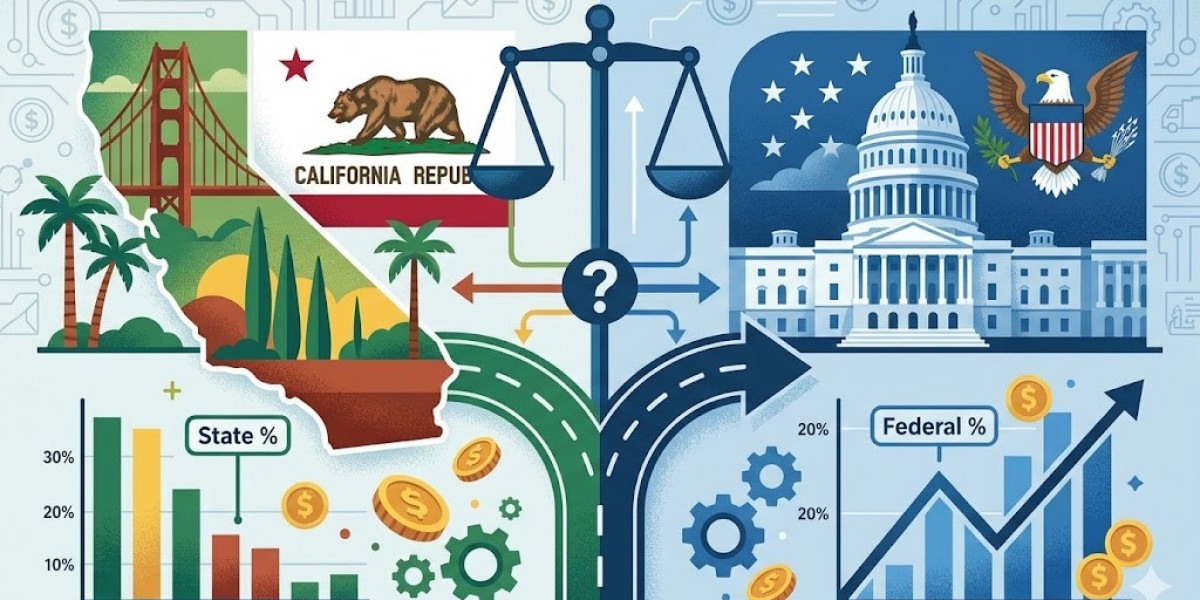

The S-Corporation is considered by many entrepreneurs in California to be the best "tax-hack" to save on federal self-employment taxes. But the IRS and the Golden State have different rules. The S-Corp is considered a “pass-through” business by the federal government, but is a hybrid business in California and carries unique costs that even experienced businesspeople might not be prepared for in 2026.
It's important to recognize these areas of difference when managing a California S-Corp so that it continues to be a weapon for success and not a hidden liability.
Does the S-Corp pay income tax at the entity level?
The one big difference is the entity-level tax. An S-Corp will typically not recognize income tax on its own, as all profits/losses pass through to the personal tax returns of its shareholders at the federal level. The use of a tax audit lawyer from San Diego or from another place can help with mitigating the clauses of regulations.
But the California franchise tax is 1.5% of the corporation's net income. This isn't a tax on individuals, it's a tax on the business itself. If your S-Corp makes $200,000 in profit, you have to pay the state $3,000 before the money ever gets into your personal bank account.
What is the California "Minimum" vs. the Federal "Information" Filing?
The IRS has to be satisfied with the information return, Form 1120-S, for an S-Corp. No fee for filing this form, unless it is late.
California, on the other hand, calls for the repayment of the Minimum Franchise Tax of $800 (on the Form 100S). Payments of $800 for the “privilege” of doing business in the state are required for this, even if your business is inactive or operates at a loss.
California currently is exempt from the $800 limit in the first year, but that floor is permanent in the 2nd year, which does not exist in the federal structure.
How do the treatment of "Built-In Gains" and passive income differ?
The federal government will track Built-In Gains (BIG) for 5 years when the C-Corp becomes an S-Corp. During this time, assets will be sold at the highest federal tax rate. The best tax attorneys from California or other places are some of the experts to deal with the issues of an S-Corp entity.
California mostly follows these federal requirements, but has its own additional complexity. If your S-Corp has "excessive" passive investment income (more than 25% gross receipts) and has accumulated income from the days when it was a C-Corp, then California will impose a separate tax on the income that is equal to the federal "sting tax," but at the state's higher rate of 1.5% (or higher for banks).
Does California recognize the federal S-Corp election automatically?
Most States will automatically recognize the federal election made through IRS Form 2553. Still, California requires that the election be for an LLC that has elected to be treated as a corporation for tax purposes or for an entity to be a valid corporation. Your California status is typically terminated when your federal S-election is revoked or terminated.
Conclusion
The federal S-Corp is a simplified version, but the California version is a high-performance car that requires more maintenance. The federal self-employment savings can be taken into account, after accounting for the 1.5% entity-level tax and the $800 minimum, to accurately compare the federal savings with state-specific requirements. The S-Corp is still a great choice in 2026, as long as you account for the 1.5% "California premium.